Mountain Elgon
Mountain Elgon Overview
Mount Elgon is one of East Africa’s most spectacular extinct volcanoes, rising majestically along the border between Uganda and Kenya. Towering at 4,321 meters above sea level, it is the fourth-highest mountain in East Africa and one of the oldest and largest solitary volcanic mountains in the world. Unlike the jagged, snow-capped peaks of Mount Kilimanjaro or Mount Kenya, Mount Elgon is defined by its vast caldera, rolling highland plateaus, dramatic cliffs, waterfalls, caves, and lush montane forests.
Located in eastern Uganda near Mbale town, Mount Elgon forms the centerpiece of Mount Elgon National Park and offers a gentler trekking experience compared to other major African peaks. Its broad slopes, rich biodiversity, cultural heritage, and scenic landscapes make it ideal for hikers, birdwatchers, nature photographers, and travelers seeking a less crowded mountain adventure in Uganda.
A Detailed Study of Mount Elgon
Geological Formation and Physical Characteristics
Mount Elgon is an extinct shield volcano formed over 24 million years ago, making it one of the oldest volcanic mountains in East Africa. Over time, erosion significantly reduced its height, but what remains is an enormous mountain mass with one of the largest intact volcanic bases in the world, covering approximately 4,000 square kilometers.
The most striking geological feature of Mount Elgon is its massive caldera, which spans about 8 kilometers in diameter. This collapsed volcanic crater creates a dramatic, bowl-shaped summit landscape with peaks such as Wagagai, Sudek, Mubiyi, and Koitobos surrounding it. Wagagai Peak, located on the Ugandan side, is the highest point at 4,321 meters.
Unlike steep volcanic cones, Mount Elgon’s slopes are gradual and accessible, making it one of the most manageable high-altitude treks in East Africa. The mountain’s terrain transitions from cultivated foothills to dense montane forest, bamboo zones, heath vegetation, and Afro-alpine moorlands.
Mount Elgon National Park
Mount Elgon National Park in Uganda protects the mountain’s ecosystems and biodiversity, covering approximately 1,110 square kilometers. The park was established to conserve the fragile mountain environment, water catchment areas, and diverse wildlife species.
The park plays a critical hydrological role in eastern Uganda. Rivers originating from Mount Elgon feed into major water systems that support agriculture and livelihoods in the surrounding districts. The mountain’s fertile volcanic soils make the region ideal for Arabica coffee cultivation, particularly around the slopes of Mbale and Kapchorwa.
On the Kenyan side, the mountain is protected within Mount Elgon National Park (Kenya), creating a transboundary conservation area that preserves one continuous ecosystem.
Hiking and Trekking on Mount Elgon
Mount Elgon is one of Uganda’s premier hiking destinations, offering multi-day trekking routes suitable for both experienced climbers and adventurous beginners. The most popular trekking routes on the Ugandan side include the Sasa Trail, Sipi Trail, and Piswa Trail.
The Sasa Trail is the shortest and steepest route, commonly used by trekkers aiming to summit Wagagai Peak within four days. The Sipi Trail begins near the famous Sipi Falls area and offers scenic views of waterfalls and farmlands before ascending into the forest. The Piswa Trail provides a longer and more gradual ascent through remote wilderness landscapes.
What makes Mount Elgon unique compared to peaks like Mount Kilimanjaro is its calm atmosphere. There are fewer climbers, no technical climbing is required, and the environment feels tranquil and uncommercialized. Trekkers encounter caves, waterfalls, cliffs, and open moorlands instead of glacial ice fields.
Wildlife and Biodiversity
Mount Elgon is a biodiversity hotspot, hosting a wide range of flora and fauna across different altitudinal zones. The lower slopes are dominated by tropical montane forests that gradually transition into bamboo belts and then Afro-alpine vegetation at higher elevations.
The park is home to forest elephants, buffaloes, duikers, bushbucks, and primates such as blue monkeys and black-and-white colobus monkeys. Although wildlife sightings are not as frequent as in savannah parks like Queen Elizabeth National Park, the mountain offers a unique ecological experience.
Birdlife is particularly rich, with over 300 recorded species. Mount Elgon is considered an Important Bird Area, attracting birdwatchers seeking endemic and rare highland species.
The Famous Caves of Mount Elgon
Mount Elgon’s caves are among its most fascinating attractions, particularly Kitum Cave and Chepnyalil Cave. These caves are notable for “elephant mining,” where elephants and other animals enter the caves to lick mineral-rich salt deposits from the walls.
Kitum Cave gained international attention in the late 20th century due to research into zoonotic diseases, but today it remains a major tourist attraction for guided cave exploration. The caves are carved into volcanic rock and offer a glimpse into the geological and ecological history of the mountain.
 Sipi Falls and Scenic Beauty
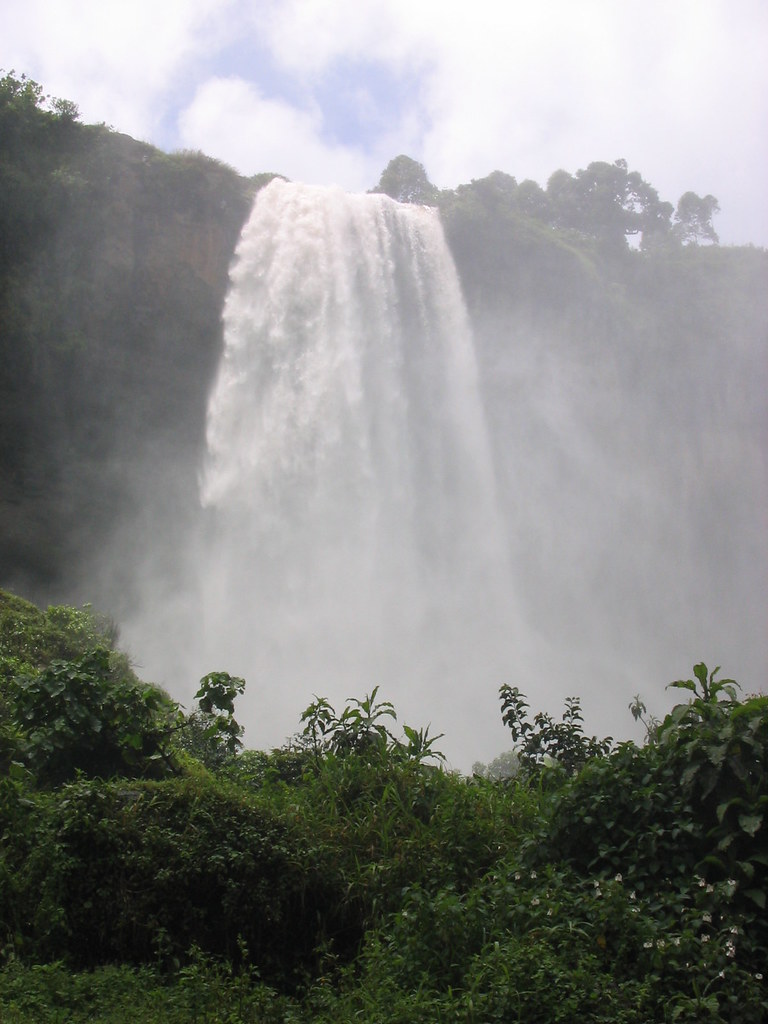
At the foothills of Mount Elgon lies the stunning Sipi Falls, a series of three dramatic waterfalls cascading down the slopes near Kapchorwa. These falls are a major tourism highlight and often combined with Mount Elgon trekking itineraries.
The surrounding area offers breathtaking views of the Karamoja plains, coffee plantations, and distant lowlands. Hiking around Sipi Falls provides a gentler alternative to summit trekking while still experiencing the beauty of the Mount Elgon region.
Cultural Heritage and Local Communities
Mount Elgon is deeply intertwined with the cultural identity of surrounding communities, including the Bagisu (Bamasaba) on the Ugandan side and the Sabiny people in the highlands.
Among the Bagisu, the mountain is known as “Masaba,” and it holds spiritual significance. The Imbalu circumcision ceremony, a major cultural rite of passage, takes place in communities around the mountain and draws visitors interested in cultural tourism.
Local communities depend on the fertile slopes for agriculture, especially coffee farming. Sustainable tourism initiatives aim to balance conservation with community livelihoods, ensuring that Mount Elgon remains protected for future generations.
Best Time to Visit Mount Elgon
Mount Elgon can be visited year-round, but the best trekking conditions occur during Uganda’s dry seasons, typically from June to August and December to February. During these months, trails are less muddy, and summit views are clearer.
The rainy seasons can make trekking more challenging due to slippery trails, but they also bring lush green landscapes and vibrant vegetation.
Why Mount Elgon Is a Hidden Gem in Uganda
Mount Elgon stands out as one of Uganda’s most underrated adventure destinations. While many travelers focus on gorilla trekking in Bwindi Impenetrable National Park or wildlife safaris in savannah parks, Mount Elgon offers a quieter, more intimate mountain experience.
Its combination of geological grandeur, biodiversity, waterfalls, caves, and cultural richness makes it a complete destination for eco-tourism and adventure travel. The absence of large crowds allows visitors to connect deeply with nature while exploring one of Africa’s oldest volcanic landscapes.