
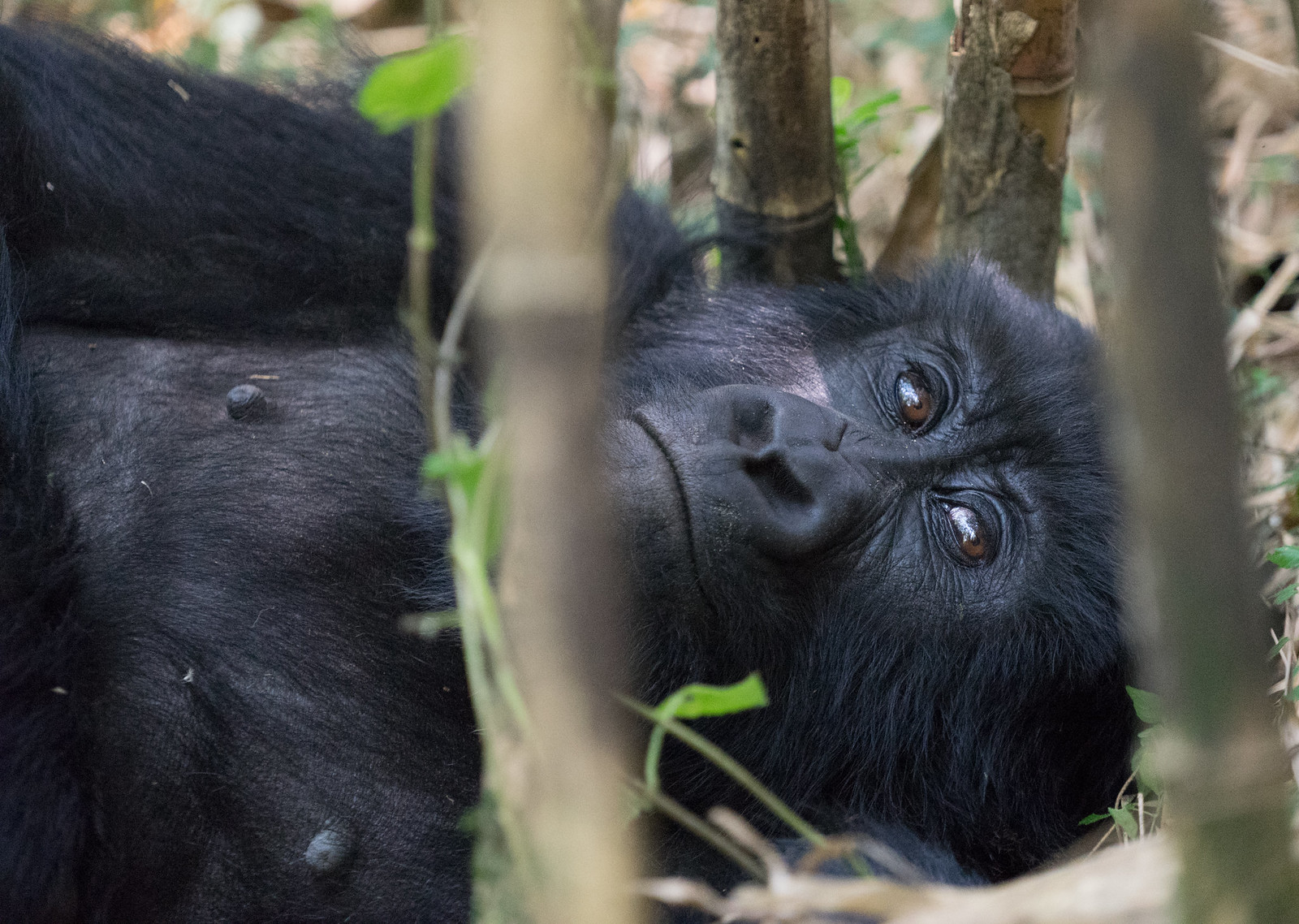
Uganda Gorilla Trekking is one of Africa’s most iconic wildlife experiences, offering travelers the rare opportunity to observe endangered mountain gorillas in their natural habitats. Uganda is home to more than half of the world’s remaining mountain gorilla population, primarily in Bwindi Impenetrable National Park and Mgahinga Gorilla National Park.
These treks provide intimate encounters with gorilla families while supporting robust conservation efforts and local communities. Uganda’s well-organized gorilla trekking infrastructure, habituated gorilla families, and scenic rainforest landscapes make it one of the most accessible and rewarding gorilla trekking destinations worldwide.This guide explores Uganda gorilla trekking in detail, covering permits, trekking experiences, conservation initiatives, accommodations, best seasons, and tips for maximizing this unforgettable adventure.
A Detailed Study of Uganda Gorilla Trekking
Mountain Gorillas and Their Habitats
Mountain gorillas (Gorilla beringei beringei) are critically endangered primates found in the high-altitude forests of Uganda, Rwanda, and the Democratic Republic of Congo. Uganda hosts over 500 gorillas, making it the leading destination for gorilla tourism in Africa.
Bwindi Impenetrable National Park, a UNESCO World Heritage Site, contains 17 habituated gorilla families and dense rainforest trails, while Mgahinga Gorilla National Park has smaller, yet equally spectacular, gorilla groups in a volcanic landscape. Gorillas thrive in areas rich in bamboo, ferns, and fruiting trees, creating scenic trekking environments.
Visitors often trek through moss-covered forests, bamboo zones, and steep mountain slopes, encountering other wildlife such as duikers, monkeys, and abundant bird species along the way.
The Gorilla Trekking Experience
Gorilla trekking in Uganda begins early in the morning, typically at park headquarters, where rangers brief visitors on safety and etiquette. Groups are assigned to specific gorilla families, with a maximum of eight trekkers per family to minimize disturbance.
Treks can last from one to six hours depending on gorilla movements and terrain difficulty. Visitors navigate forest trails, climb steep slopes, and occasionally cross streams while guided by expert rangers and trackers.
Once gorillas are located, trekkers spend one hour observing their behavior. Encounters with silverbacks, playful juveniles, and nurturing mothers are emotionally powerful and offer incredible photographic opportunities. These moments foster a deeper appreciation of primate intelligence, social structure, and conservation challenges.
Gorilla Trekking Permits and Regulations
Uganda requires visitors to purchase gorilla trekking permits in advance. The current fee for foreign non-residents is approximately USD 700 per person for Bwindi and USD 600 for Mgahinga. These fees directly support conservation programs, anti-poaching patrols, and local communities.
Strict rules govern gorilla interactions. Visitors must maintain a safe distance of seven meters, avoid direct eye contact with silverbacks, refrain from eating or drinking, and not trek if ill. Guides ensure compliance while sharing valuable ecological knowledge.
The limited number of permits per day ensures a low-impact tourism model, enhancing both visitor experience and gorilla protection.
Conservation and Community Engagement
Uganda’s success in gorilla conservation is rooted in strong government policies and community involvement. Park authorities work closely with local communities to provide employment, education, and revenue-sharing from tourism. This approach creates incentives for gorilla protection and reduces human-wildlife conflict.
Conservation efforts include habitat protection, anti-poaching patrols, veterinary interventions, and environmental education. Community tourism projects, such as village visits and craft markets, allow visitors to support local livelihoods while learning about Ugandan culture.
The legacy of pioneering conservationists like Dian Fossey, who studied gorillas in the Virunga region, continues to inspire Uganda’s robust protection measures.
Accommodation Options
Uganda offers a wide range of lodges and camps to suit all preferences and budgets near gorilla trekking sites.
Luxury lodges like Sanctuary Gorilla Forest Camp and Bwindi Lodge provide high-end eco-luxury experiences with private villas, gourmet dining, and rainforest views. Mid-range options such as Buhoma Lodge and Gorilla Mist Camp offer comfortable cottages and tented accommodations close to trekking trailheads. Budget travelers often choose community-run guesthouses or bandas in villages near park entrances.
In Mgahinga, Volcano View Lodge and Gorilla Safari Lodge offer spectacular views of volcanic peaks alongside convenient access to gorilla families. Many lodges emphasize sustainable practices and community support, enhancing both comfort and conservation impact.
Best Time for Gorilla Trekking
Uganda allows gorilla trekking year-round, but dry seasons are preferable for easier access and safer trekking conditions. The two primary dry periods are June to September and December to February. Trails are less muddy, visibility improves, and trekking is generally more enjoyable.
The rainy seasons, March to May and October to November, offer lush vegetation and fewer tourists, but trekking can be physically challenging due to slippery slopes and dense undergrowth.
Regardless of season, habituated gorilla families ensure a high probability of successful sightings.
Tips for a Successful Gorilla Trek
Visitors can enhance their gorilla trekking experience by preparing adequately: Proper hiking boots, long-sleeved clothing, insect repellent, and walking sticks are recommended. Fitness and flexibility are important, as terrain can be steep and slippery.
Guides encourage quiet observation and patience, as gorillas may move slowly or rest in hidden areas. Respecting wildlife and following instructions ensures both safety and a fulfilling encounter.
Trekking can also be combined with other Ugandan wildlife activities, such as chimpanzee tracking in Kibale Forest National Park, game drives in Queen Elizabeth National Park, and cultural experiences in local villages.
Uganda Gorilla Trekking is a bucket-list adventure that combines thrilling wildlife encounters, conservation education, and breathtaking rainforest landscapes. The country’s structured trekking system, habituated gorilla families, and community-based conservation approach make it one of the world’s safest and most rewarding gorilla trekking destinations.
From the misty forests of Bwindi Impenetrable National Park to the volcanic slopes of Mgahinga Gorilla National Park, every trek immerses visitors in one of nature’s most extraordinary spectacles. This experience not only creates lasting memories but also supports the continued survival of one of the planet’s most iconic and endangered species.