
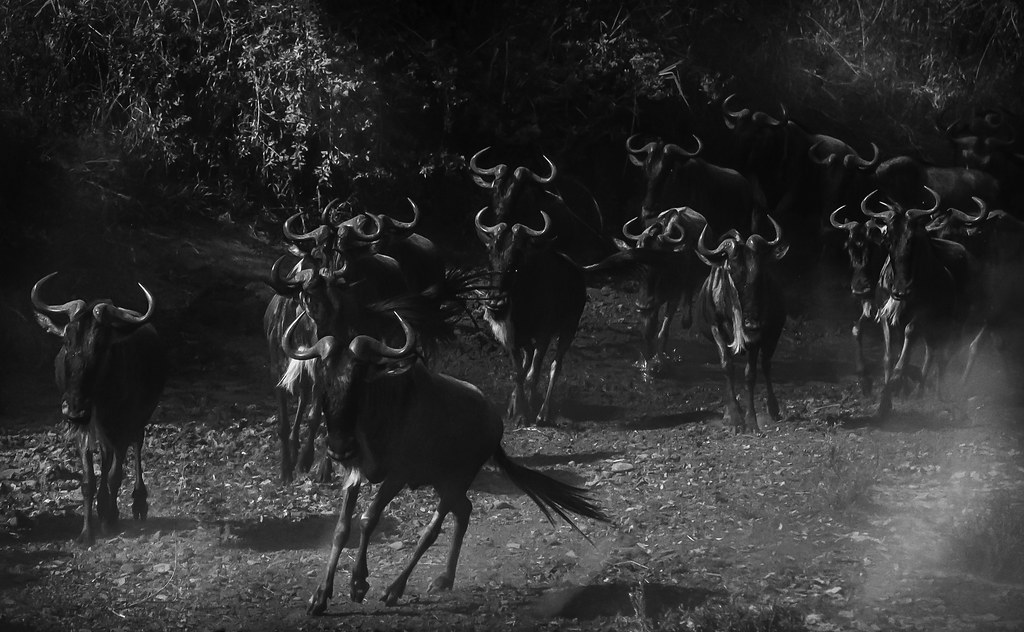
Best Time for Gorilla Trekking & Wildebeest Migration Safari – East Africa’s Ultimate Wildlife Seasons
If there’s one combination that defines Africa’s most remarkable wildlife experiences, it’s the Mountain Gorilla Trekking in Uganda or Rwanda and the Wildebeest Migration across Kenya and Tanzania. Both are world-renowned spectacles – one a deeply personal encounter with our closest wild relatives, and the other, an epic movement of millions of animals across the savannah.
To make the most of these two iconic adventures, it’s essential to plan around the best times of year when conditions are ideal for trekking and migration viewing. This guide will help you understand when to go, where to go, and what to expect for the ultimate East African safari experience.
Best Time for Gorilla Trekking
Gorilla trekking takes place year-round in Uganda’s Bwindi Impenetrable Forest and Mgahinga Gorilla National Park, as well as in Rwanda’s Volcanoes National Park. However, weather patterns significantly influence the experience – particularly the terrain, vegetation, and visibility.
1. The Dry Seasons – Best for Trekking (June to September & December to February)
The dry seasons are widely considered the best times for gorilla trekking. Trails are less slippery, the forest is easier to navigate, and the chance of rain during the trek is lower. Gorillas also tend to stay at more accessible altitudes during this period.
-
June to September: Peak season for gorilla trekking. Clear skies, great photography conditions, and high permit demand.
-
December to February: Short dry season with good conditions and fewer crowds than mid-year.
Advantages:
-
Easier hiking conditions.
-
Better visibility for photography.
-
Excellent opportunity to combine with Kenya or Tanzania safaris (especially the migration in the north).
Disadvantages:
-
High demand for permits – must be booked well in advance.
-
Higher accommodation rates in peak season.
2. The Wet Seasons – Lush and Quieter (March to May & October to November)
Though trekking is more challenging in the rainy seasons, these months come with unique rewards. The forests are lush and alive, with fewer tourists and easier availability of gorilla permits.
-
March to May: Long rains, but vegetation is at its greenest.
-
October to November: Short rains – still good for photography and quieter treks.
Advantages:
-
Lower accommodation rates.
-
Easier access to gorilla permits.
-
Excellent opportunities for photography with misty jungle backdrops.
Disadvantages:
-
Trails can be slippery and muddy.
-
Rain can affect comfort and visibility.
Overall Best Months for Gorilla Trekking:
⭐ June, July, August, September, December, January, February
Best Time for the Wildebeest Migration Safari
The Great Wildebeest Migration is one of nature’s most spectacular events – a constant cycle of movement involving over 1.5 million wildebeests, hundreds of thousands of zebras, and gazelles across the Serengeti-Mara ecosystem. The migration follows the rains and the grass growth, making it a year-round phenomenon – but the location and intensity change each season.
1. December to March – Calving Season (Southern Serengeti, Tanzania)
During this period, the herds gather on the Ndutu Plains and southern Serengeti, where they give birth to over 400,000 calves within a few weeks. The open plains provide rich grazing and protection from predators, though lions and cheetahs are never far away.
Highlights:
-
Witness thousands of wildebeest calves born daily.
-
Excellent predator action and photography opportunities.
-
Beautiful green landscapes.
Best Locations: Ndutu, Kusini, and southern Serengeti.
2. April to June – The Long Trek North (Central & Western Serengeti)
As the rains ease, the herds move northwest through the Seronera Valley and into the Grumeti Region. This phase sees dramatic river crossings at the Grumeti River, where huge crocodiles lie in wait.
Highlights:
-
Grumeti River crossings (May–June).
-
Superb game viewing with fewer tourists.
-
Lush scenery and migratory birds.
Best Locations: Seronera, Grumeti, and Western Corridor.
3. July to October – Mara River Crossings (Northern Serengeti & Masai Mara)
This is the most dramatic and famous phase of the migration. The herds reach the Mara River on the Kenya-Tanzania border, where thousands cross in chaotic, thrilling scenes of survival.
Highlights:
-
Iconic river crossings in the Northern Serengeti and Masai Mara.
-
Peak predator activity – lions, cheetahs, hyenas, and crocodiles in action.
-
Excellent weather for photography and game drives.
Best Locations: Kogatende and Lamai (Northern Serengeti), Masai Mara National Reserve (Kenya).
4. November – The Return South (Eastern Serengeti)
With the onset of short rains, the herds begin moving south again toward the Serengeti plains, completing the circle of life. The crowds thin, and the scenery becomes rich and green once more.
Highlights:
-
Beautiful light for photography.
-
Migrating herds scattered across open plains.
-
Quieter lodges and camps.
Best Locations: Eastern and southern Serengeti.
Overall Best Months for Migration Viewing:
⭐ July to October (for river crossings)
⭐ December to March (for calving season)
Combining Gorilla Trekking & Wildebeest Migration
For travelers seeking to combine gorilla trekking and the migration safari, timing is everything. Here are the best seasonal combinations:
Option 1: July – October (Peak Adventure Season)
-
Gorilla Trekking: Uganda or Rwanda (dry season).
-
Migration: Masai Mara or Northern Serengeti (river crossings).
✅ Best for travelers wanting the most dramatic wildlife action and perfect weather.
Option 2: December – February (Scenic & Calving Season)
-
Gorilla Trekking: Uganda or Rwanda (short dry season).
-
Migration: Southern Serengeti (calving season).
✅ Best for photographers and travelers seeking a quieter, greener safari with newborn wildlife.
Option 3: March – May (Budget & Green Season)
-
Gorilla Trekking: Uganda (lush forest, fewer tourists).
-
Migration: Western and Central Serengeti (before Grumeti crossings).
✅ Best for budget travelers and those preferring fewer crowds.
Sample Itinerary Combination
Day 1–4: Gorilla trekking in Bwindi Impenetrable Forest, Uganda.
Day 5–6: Fly from Entebbe to Nairobi.
Day 7–11: Safari in Masai Mara or Serengeti for the migration.
Combining both experiences gives travelers the best of East Africa – the deep intimacy of a gorilla encounter and the awe of nature’s greatest migration.
Final Thoughts
Whether you’re watching a silverback gorilla gently cradle its young or witnessing thousands of wildebeests cross a crocodile-filled river, these are life-changing experiences. The key to enjoying both is timing your visit to align with the seasons – and allowing yourself to slow down and connect with nature at its most powerful.
The best time for gorilla trekking and the wildebeest migration safari depends on your priorities:
-
For clear skies and comfort, choose June to October or December to February.
-
For lush scenery and fewer tourists, travel between March and May or October and November.
Either way, East Africa will deliver unforgettable memories – moments that remind you what it means to truly be part of the wild.