
Safaris, Gorilla Trekking, Wildlife, and Top Destinations
Africa is a continent of unmatched biodiversity, cultures, and landscapes. From the misty forests of Uganda and Rwanda to the savannah plains of Kenya and Tanzania, Africa offers experiences that combine adventure, wildlife, and cultural immersion. Visitors can track mountain gorillas, witness the Great Migration, explore deserts, climb mountains, or relax on pristine beaches.
Travelers seeking a complete African experience often combine forest trekking, wildlife safaris, cultural encounters, and coastal escapes into multi-country itineraries. This approach allows for a diverse exploration of ecosystems, wildlife species, and historical sites, providing a truly memorable adventure.
Planning your trip carefully ensures maximum enjoyment. Understanding park regulations, seasonal variations, trekking logistics, and local culture is essential for a safe, ethical, and immersive journey.
Gorilla Trekking: The Forest Giants of East Africa
Gorilla trekking is the pinnacle of wildlife experiences. Bwindi Impenetrable Forest and Mgahinga National Park in Uganda, Volcanoes National Park in Rwanda, and Mahale Mountains in Tanzania host habituated gorilla families, led by dominant silverbacks.
Trekking permits are mandatory and highly limited. Fees support conservation and local communities, and booking in advance is essential, particularly during dry seasons-June to September and December to February. Trekkers spend up to one hour observing gorillas in their natural habitat, maintaining a safe distance of seven meters.
Preparation for trekking includes physical fitness, proper clothing, and essential gear. Hiking boots, walking sticks, rain jackets, gloves, binoculars, and cameras with protective covers are crucial. Carry a lightweight backpack with water, snacks, and personal items.
Gorilla behavior observation is a highlight of trekking. Visitors witness social structures, grooming, play, feeding, vocalizations, and nesting behavior, offering insight into their intelligence and complex communication. Ethical observation ensures minimal impact on the gorillas’ natural behavior.
Wildlife Safaris: The Savannah Experience
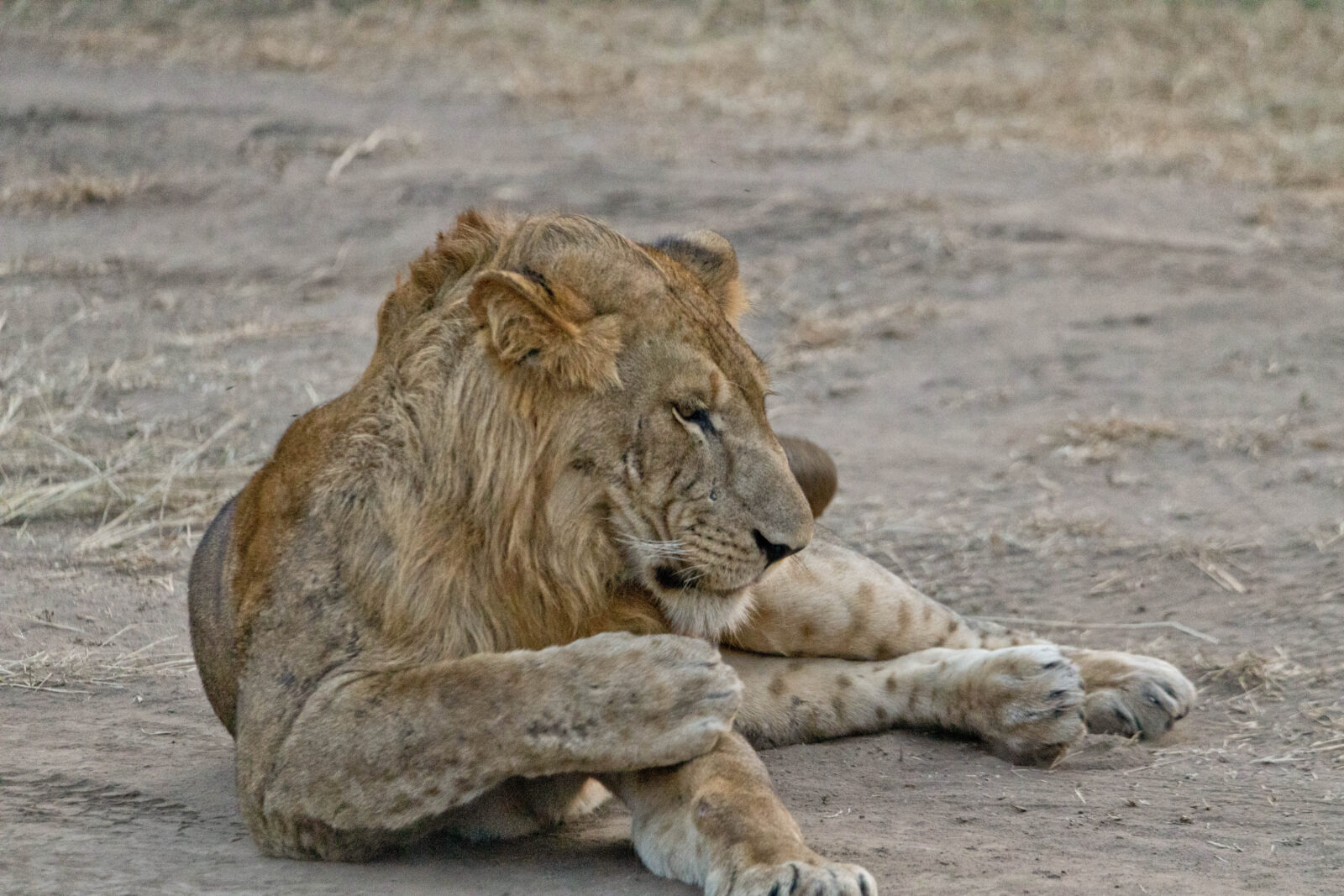
East Africa’s savannahs provide iconic wildlife experiences. Kenya’s Maasai Mara, Tanzania’s Serengeti, Tarangire, and Mkomazi, and Uganda’s Queen Elizabeth and Murchison Falls National Parks showcase the Big Five, wildebeest migrations, predators, and diverse birdlife.
Combining forest trekking and savannah safaris maximizes wildlife diversity. Visitors can witness gorillas in misty forests in the morning and observe lions, elephants, or zebras on the plains in the afternoon. Multi-day itineraries allow adequate time for both forest and savannah exploration.
Photography opportunities abound. Early morning and late afternoon provide optimal lighting for both forest and open plains. Telephoto lenses, waterproof camera covers, extra batteries, and memory cards ensure high-quality images. Ethical photography maintains safe distances and avoids disturbing wildlife.
Health, safety, and conservation are priorities. Vaccinations, travel insurance, insect protection, hydration, and proper nutrition are essential. Guides enforce park rules to safeguard both visitors and animals. Reporting rule-breakers, such as those feeding wildlife or venturing off trails, is encouraged to support conservation efforts.
Top Safari and Trekking Countries
Kenya is a classic safari destination. Witness the Great Migration in the Maasai Mara, visit Amboseli for elephant herds with Mount Kilimanjaro as a backdrop, and explore Tsavo’s vast landscapes. Cultural interactions with Maasai and Samburu communities enrich the experience.
Tanzania offers extraordinary wildlife and scenic beauty. The Serengeti hosts the wildebeest migration, Ngorongoro Crater provides a natural amphitheater for predators and prey, and Mount Kilimanjaro challenges adventure enthusiasts. Zanzibar adds tropical beaches for relaxation.
Uganda combines gorilla trekking with savannah wildlife. Bwindi, Mgahinga, and Queen Elizabeth National Parks offer gorilla, chimpanzee, and big game experiences, along with cultural interactions with local communities and the source of the Nile.
Rwanda specializes in conservation-focused gorilla treks. Volcanoes National Park offers eco-friendly trekking with well-managed lodges. Nyungwe Forest provides chimpanzee tracking and birding opportunities. Kigali’s cultural sites enhance the travel experience.
South Africa delivers diverse experiences. Kruger National Park and private reserves host the Big Five, while Cape Town offers mountains, beaches, and vineyards. Urban and cultural attractions complement wildlife adventures.
Namibia showcases deserts and unique wildlife. Etosha National Park, the Namib Desert, Sossusvlei sand dunes, and the Skeleton Coast provide photogenic landscapes and encounters with elephants, lions, and rhinos. Himba and San community visits highlight indigenous cultures.
Botswana is known for the Okavango Delta and exclusive safaris. Canoe safaris and low-impact tourism prioritize sustainability and intimate wildlife encounters. Chobe and Moremi offer abundant elephant sightings and predator observation.
Morocco provides cultural, historical, and desert experiences. Marrakech, Fes, the Atlas Mountains, and the Sahara Desert offer camel treks, traditional markets, and architectural exploration.
Ethiopia combines history and scenic trekking. Lalibela, Gondar, Axum, Simien Mountains, and the Danakil Depression showcase ancient civilizations, unique wildlife, and dramatic landscapes.
Zambia offers walking safaris and water adventures. South Luangwa and Lower Zambezi National Parks provide intimate wildlife encounters and canoe safaris on the Zambezi River.
Mozambique features pristine beaches and marine life. Bazaruto Archipelago and Tofo Beach are ideal for snorkeling, diving, and coastal relaxation.
Safari Ethics and Rule Enforcement
Ethical behavior ensures the safety of wildlife and visitors. Staying on designated trails, maintaining safe distances, avoiding feeding animals, and following guide instructions are critical.
Reporting rule-breakers supports conservation. Notify guides, park rangers, or official complaint desks if visitors violate rules such as approaching gorillas too closely, littering, or ignoring park regulations. Include detailed information, including location, time, and description of the incident.
Rule enforcement protects endangered species and the ecosystem. Mountain gorillas, elephants, and other wildlife rely on adherence to ethical practices for their survival. Visitors play an active role in safeguarding these species.
Combining reporting with your safari experience reinforces awareness, enhances understanding of wildlife behavior, and ensures a safer, more responsible adventure.
Seasonal Planning for Safari and Trekking
Dry seasons are ideal for both gorilla trekking and savannah safaris. Trails are accessible, wildlife gathers near waterholes, and photography conditions improve. Peak dry months are June–September and December–February.
Wet seasons offer lush landscapes and fewer tourists. March–May and October–November are perfect for photography and observing newborn wildlife, though trails may be slippery, and some roads challenging.
Early morning and late afternoon activities provide optimal wildlife viewing opportunities and ideal lighting for photography in forests and savannahs alike.
Logistics, Accommodation, and Travel Tips
Accommodation ranges from eco-lodges to luxury camps. Forest lodges near gorilla trekking sites provide proximity and comfort, while savannah lodges or tented camps ensure easy access to game drives.
Transportation includes light aircraft, road transfers, and 4×4 safari vehicles. Experienced guides coordinate logistics, park entries, and permit management to ensure smooth travel.
Packing must be versatile. Trekking boots, walking sticks, rain gear, gloves, binoculars, cameras, sun protection, and insect repellent cover both forest and savannah conditions. Lightweight daypacks are ideal for treks, with luggage transfers handled by lodges for multi-day safaris.
Health precautions include vaccinations, travel insurance, hydration, and nutrition. Prepare physically for trekking and game drives, especially for remote or high-altitude locations.
Photography Tips for Multi-Experience Safaris
Photography is a key part of safari and trekking experiences. Telephoto lenses, waterproof protection, extra batteries, and memory cards are essential.
Observe natural behaviors for ethical photography. Capture feeding, grooming, social interaction, and play while maintaining safe distances.
Timing matters. Early mornings and late afternoons provide the best light for capturing both forest and savannah wildlife. Wet seasons offer vibrant greenery and unique photographic opportunities.
Protect equipment from humidity and rain. Use waterproof bags and covers, especially during rainforest trekking or near lakes and rivers.
Combining Experiences for Maximum Impact
Multi-country itineraries maximize Africa’s diversity. Gorilla trekking in Uganda or Rwanda combined with savannah safaris in Kenya or Tanzania, and relaxation in Zanzibar or Mozambique, provide the ultimate African adventure.
Conservation-focused tourism ensures a positive impact. Visitors contribute to wildlife protection, anti-poaching efforts, and local community development while enjoying unforgettable experiences.
Engage with guides and local communities. Learning from experts enhances understanding of wildlife, ecology, and cultural heritage, creating a richer and more responsible travel experience.
Flexibility and patience are essential. Wildlife behavior and gorilla movements are unpredictable, and schedules may need adjustment. This ensures safety and maximizes observation opportunities.
Africa offers a wealth of adventure, wildlife, culture, and natural beauty. From gorilla trekking and savannah safaris to desert exploration, mountain climbing, and coastal relaxation, there is something for every traveler.
Ethical and responsible tourism ensures that these experiences remain sustainable. Following park rules, reporting violations, supporting conservation, and respecting local communities protect wildlife and ecosystems for future generations.
Planning your itinerary carefully, preparing physically and mentally, and combining forest and savannah experiences will create a truly unforgettable journey through Africa.