
Gorilla Safaris for Families: Age Rules, Lodges, and Planning Tips
Overview: Why Families Choose Gorilla Safaris
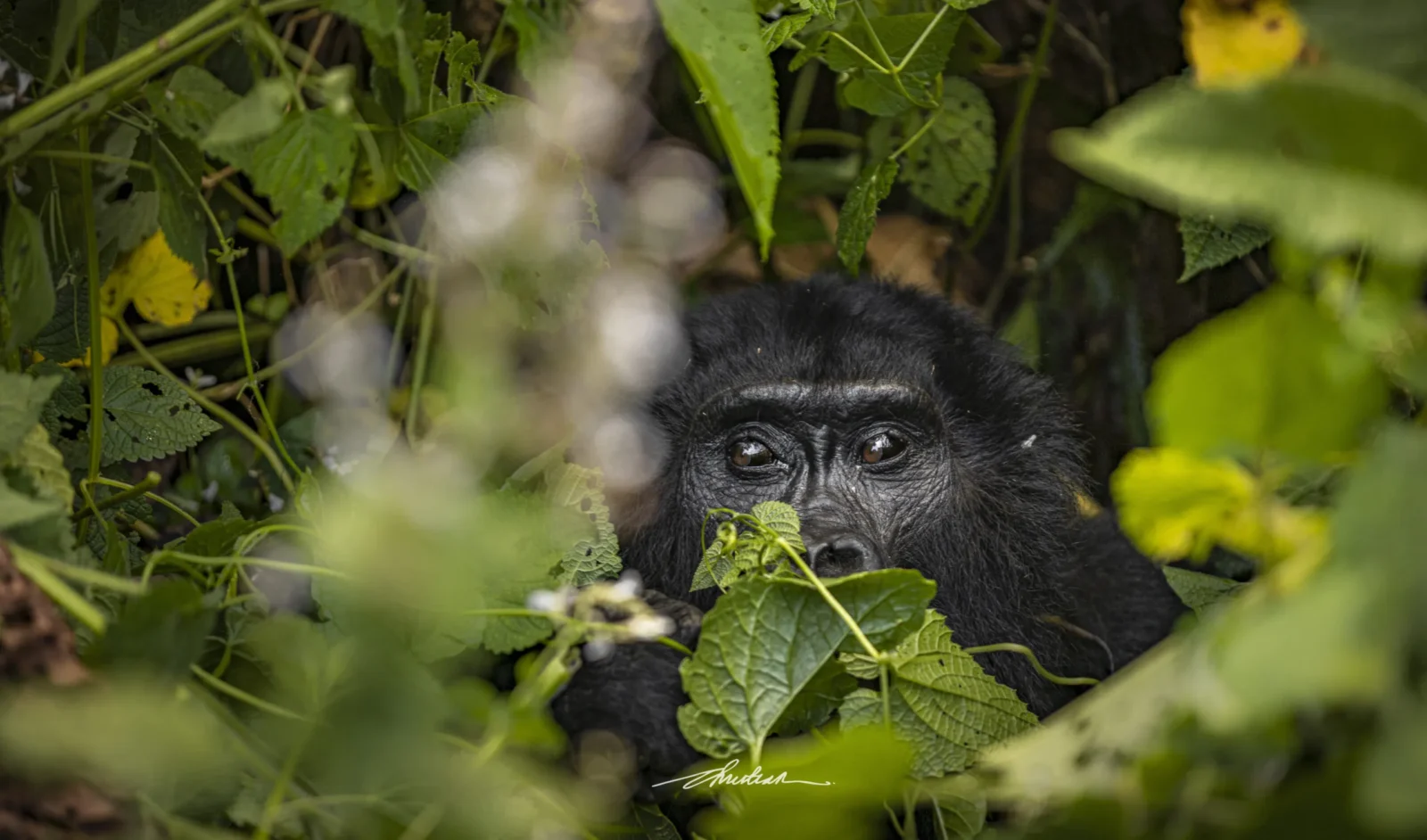
Gorilla safaris offer families a rare opportunity to witness one of the world’s most iconic primates in their natural habitat, creating experiences that combine adventure, education, and bonding. In 2026, families traveling together can enjoy carefully planned gorilla treks in Uganda, Rwanda, and the Democratic Republic of Congo, balancing safety, engagement, and comfort for children and adults alike.
Family-focused gorilla safaris are more than just wildlife viewing; they foster curiosity, environmental awareness, and lasting memories. Trekking with children allows parents to introduce the next generation to conservation efforts, forest ecology, and cultural interactions with local communities, all while enjoying the thrill of seeing gorillas in the wild.
Age Rules and Trekking Regulations
Age restrictions for gorilla trekking are enforced to protect both visitors and gorillas.
-
Uganda: Children must be at least 15 years old to participate in gorilla trekking in Bwindi Impenetrable or Mgahinga National Parks. Exceptions are rare, and younger children are generally not permitted due to the physical demands of trekking and potential stress to the gorillas.
-
Rwanda: Volcanoes National Park has a minimum age requirement of 15 years for gorilla trekking. Children below this age are not allowed to enter the forest for their safety and to ensure minimal disturbance to gorilla families.
-
DRC: Virunga National Park sets similar age restrictions, generally requiring participants to be 16 or older, with strict supervision protocols for young trekkers.
For families with younger children, alternatives include guided nature walks, cultural village visits, or chimpanzee tracking in less physically demanding areas like Uganda’s Kibale Forest National Park. These options allow children to engage with wildlife and nature while waiting until they are old enough for gorilla treks.
Choosing Family-Friendly Lodges
Selecting appropriate accommodations is critical for family comfort and safety. Family-friendly lodges often provide larger suites or interconnected rooms, child‑friendly amenities, and recreational spaces such as swimming pools, game rooms, or guided forest trails.
-
Uganda: Lodges in Buhoma, Rushaga, or Ruhija offer family suites with private decks, easy access to trailheads, and in-house activities for children. Some lodges provide educational programs about gorillas and forest conservation.
-
Rwanda: Luxury lodges near Volcanoes National Park have rooms and villas suitable for families, often offering private dining and tailored excursions that accommodate different age groups.
-
DRC: Select Virunga lodges combine comfort with adventure, though families should confirm child policies and security measures before booking.
Family-focused accommodations often include concierge services to coordinate treks, meals, and additional activities, ensuring that parents can focus on the experience without logistical stress.
Planning Tips for Families
Timing and Season
Choosing the right travel season is essential for comfort and accessibility. Dry months, typically June to September and December to February in East Africa, make trails easier to navigate and reduce the physical strain on children. Rainy seasons may be challenging for family treks but offer lush scenery for nature walks and lodge activities.
Physical Preparation
Gorilla trekking is physically demanding, even for adults. Families should prepare by considering the pace, terrain, and trekking distances. Fitness levels, stamina, and age‑appropriate participation must be factored into the planning. For younger or less active family members, consider shorter treks, less challenging sectors, or alternative wildlife experiences in nearby national parks.
Guided Treks and Education
Experienced guides play a vital role in family safaris. Guides can adapt the pace, provide educational insights for children, and ensure safety protocols are followed. Choosing operators who emphasize conservation education can enrich the experience and make it both fun and meaningful for younger participants.
Safety and Health Considerations
Health and safety are critical for family travel. Families should ensure that vaccinations, malaria prophylaxis, and travel insurance are up-to-date. Lodges and trekking operators typically provide safety briefings and emergency plans, but parents must remain vigilant and prepared, especially in remote forest areas.
Combining Activities for Younger Children
Families with children below trekking age can combine gorilla trekking with alternative activities: guided nature walks, birdwatching, visits to local villages, cultural workshops, or chimpanzee tracking in more accessible parks. These experiences provide wildlife education and cultural engagement while keeping the trip exciting for the entire family.
Budgeting for Families
Family gorilla safaris require careful budgeting, as permits and accommodations for multiple participants can increase costs significantly. Planning early helps secure availability, especially for family suites and prime trekking slots. Many operators offer family packages or multi-permit arrangements that can reduce overall costs.
Benefits of Gorilla Safaris for Families
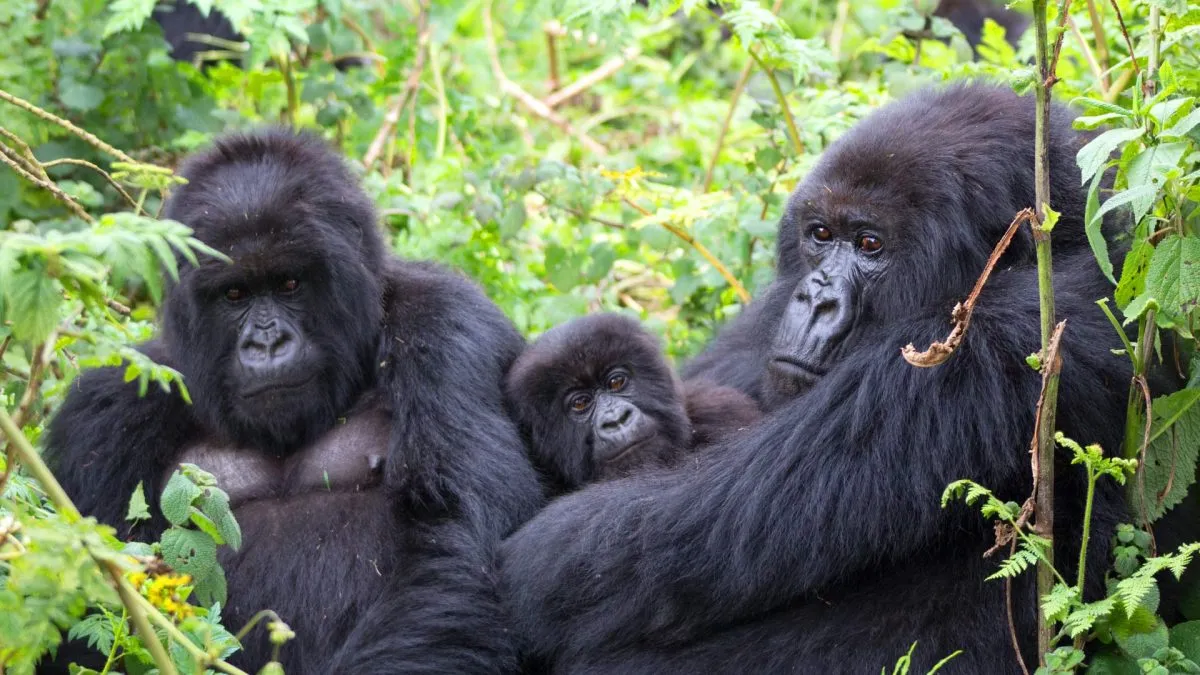
Shared adventure strengthens family bonds through challenging hikes, observing wildlife together, and learning about conservation. Children gain firsthand exposure to nature and the importance of protecting endangered species, fostering awareness and responsibility from a young age.
The immersive experience in rainforests and highlands also creates lifelong memories. The combination of adventure, education, and luxury or family-oriented comfort ensures that all members, regardless of age, enjoy a meaningful, engaging, and safe safari experience.
Gorilla safaris for families in 2026 are a unique way to combine adventure, education, and bonding. By understanding age restrictions, selecting family-friendly lodges, planning for physical demands, and incorporating complementary activities, families can enjoy a safe, enriching, and unforgettable experience.
Whether trekking through Bwindi’s lush forests in Uganda, exploring Volcanoes National Park in Rwanda, or venturing into Virunga in the DRC, families have the opportunity to share the wonder of gorillas in the wild while creating lifelong memories. Proper preparation, thoughtful planning, and engagement with expert guides ensure that gorilla safaris are not only feasible for families but also extraordinarily rewarding.