
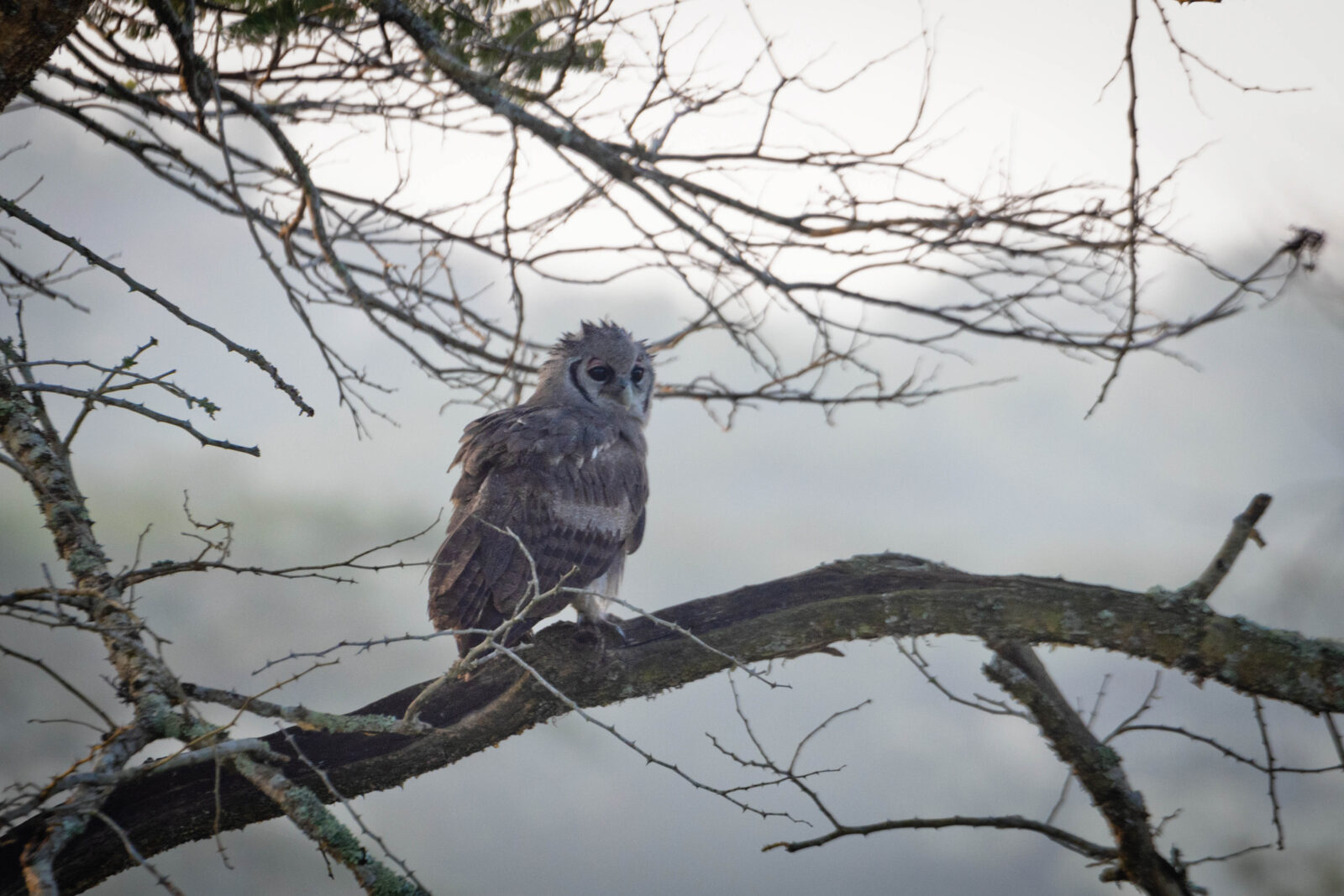
Gorilla Safaris for Birders: Combining Primates and 1,000+ Species
Gorilla safaris are renowned for the once-in-a-lifetime opportunity to observe mountain gorillas in their natural habitats, but these experiences also appeal to birders due to the rich avian diversity in the same forests. In destinations such as Bwindi Impenetrable National Park and Volcanoes National Park, trekkers can combine primate encounters with sightings of over 1,000 bird species across a range of habitats.
This combination makes gorilla safaris particularly attractive to birdwatchers who want to enjoy a full spectrum of wildlife observation in one trip. Proper planning allows travelers to maximize both gorilla encounters and birding opportunities without compromising either experience.
A Detailed Guide to Birding on Gorilla Safaris
Understanding the Forest Ecosystem
The forests that host mountain gorillas are also incredibly diverse bird habitats. In Bwindi Impenetrable National Park, the dense montane forest supports species ranging from colorful turacos to elusive forest owls, while Rwanda’s Volcanoes National Park is home to a mix of montane and lowland birds.
Birds are found at various forest levels-from the canopy to the forest floor-and many species are endemic, meaning they cannot be seen anywhere else.
Understanding this ecosystem helps birders anticipate where to spot key species while maintaining safe distances from gorillas.
Combining Gorilla Trekking and Birding
While the primary goal of a gorilla safari is the gorilla encounter, guided treks provide opportunities for incidental birding along the trails. Guides are trained to point out unique or rare bird species, making the walk both educational and rewarding for birdwatchers.
In addition, some lodges and reserve areas offer specialized birding walks or morning excursions that do not interfere with trekking schedules. These pre- or post-trek excursions allow birders to see species that may be missed during the main trek.
Key Bird Species to Watch For
Birders visiting these regions can expect to see a variety of unique and endemic species. In Uganda, species such as the African green broadbill, Rwenzori turaco, and red-throated alethe are commonly observed. Rwanda hosts species like Grauer’s swamp warbler and Albertine owlet, which are often priorities for dedicated birders.
Migratory species also pass through these forests seasonally, adding another layer of interest. The diversity makes the forest a living classroom for ornithologists and bird enthusiasts alike.
Timing for Optimal Birding
Timing is essential for both gorilla trekking and birdwatching. Early morning treks are ideal, as gorillas are often more active, and many birds are easier to spot and identify at first light.
Different seasons can also affect species visibility. Some endemic species may be easier to spot during drier months when foliage is less dense, while migratory species appear at predictable intervals.
Consulting guides and lodge staff about peak birding times ensures that travelers maximize their chances of sightings.
Photography and Observation Tips
Birders interested in photography should consider carrying lightweight binoculars and telephoto lenses.
Using natural light and minimizing movement helps avoid disturbing both gorillas and birds. Guides are experienced at balancing wildlife observation with safety, offering tips on how to capture great shots without compromising conservation rules.
Patience and quiet observation are key, as both gorillas and many bird species respond to sudden noise or movements with caution or avoidance.
Combining Activities for the Whole Family
Gorilla safaris for birders also appeal to families or groups with mixed interests. While some members may focus on primate observation, others can track and photograph birds along the trails.
Guided birding walks are suitable for younger participants and seniors, as these walks are typically less strenuous than gorilla trekking. This approach allows everyone to participate in the safari in a way that suits their interests and abilities.
Lodge Support for Birders
Many lodges near Bwindi Impenetrable National Park and Volcanoes National Park provide specialized support for birdwatchers.
This may include field guides, binoculars for loan, detailed bird checklists, and organized birding excursions.
Lodges often offer comfortable observation points, verandas, and trails specifically designed for bird photography and casual watching.
Conservation Awareness
Birding during gorilla safaris also emphasizes the importance of forest conservation. Observing endemic and rare species highlights the ecological significance of protecting these habitats.
By adhering to trekking and birding etiquette, travelers contribute to sustainable tourism, ensuring that forests remain healthy for gorillas, birds, and future visitors.
A Dual Wildlife Adventure
Gorilla safaris for birders offer a unique combination of primate encounters and rich avian diversity. By carefully planning trekking times, lodging, and guided birding excursions, travelers can enjoy the best of both worlds.
Destinations like Bwindi Impenetrable National Park and Volcanoes National Park allow visitors to observe gorillas and discover over 1,000 bird species, making each safari a multifaceted wildlife adventure.
For bird enthusiasts and photographers alike, combining gorilla trekking with structured birding walks creates an enriching experience that highlights the incredible biodiversity of East Africa while supporting conservation and sustainable tourism.