
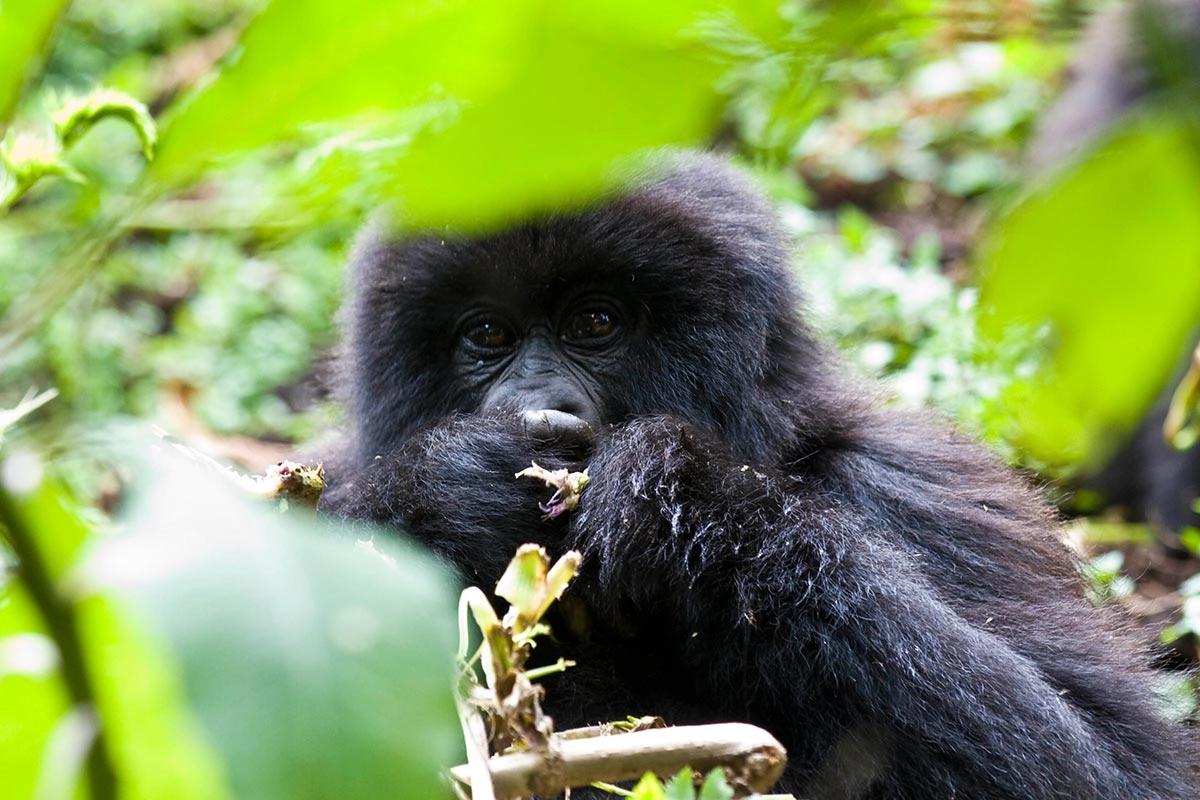
Gorilla Safaris Dry Season: June to September Peak Season Guide
The dry season, spanning June to September, is considered peak season for gorilla safaris in East Africa. During this period, destinations like Bwindi Impenetrable National Park and Volcanoes National Park offer optimal trekking conditions, clearer trails, and better visibility in the forest.
Travelers visiting during these months benefit from moderate weather, fewer insects, and more predictable hiking conditions. The dry season also aligns with easier access to lodges, smoother road transfers, and opportunities to combine gorilla trekking with other safari activities.
A Detailed Guide to Peak Season Gorilla Safaris
Trekking Conditions During the Dry Season
The dry season reduces the challenges associated with muddy, slippery, and overgrown trails. Forest paths in sectors such as Buhoma, Rushaga, and Nkuringo in Uganda are more navigable, making treks less strenuous for travelers of all ages and fitness levels.
Visibility in the forest improves, allowing trekkers to observe gorillas more clearly and take high-quality photographs. Longer daylight hours provide flexibility in scheduling treks and supplementary activities, such as forest walks and birdwatching.
While mornings can be cool, the absence of heavy rain ensures that trekkers can comfortably spend the full hour with gorilla groups.
Wildlife and Birdwatching Opportunities
The dry season also enhances wildlife viewing beyond gorillas. Animals tend to congregate around water sources, making game viewing during complementary safaris more predictable.
Birdwatchers benefit from less dense foliage, allowing easier spotting of endemic and migratory species. For photographers, the combination of clearer light and active wildlife creates ideal conditions for capturing compelling images.
Booking and Permit Considerations
June to September is peak season, meaning gorilla permits sell out quickly. Early booking is essential to secure access to popular trekking sectors.
Travelers should coordinate with lodges and tour operators well in advance to ensure availability of permits, accommodations, and guides. Many operators offer packages that combine trekking with other safari activities during the dry season to maximize value and experience.
Accommodation Advantages
Lodges are more accessible during the dry season, as roads leading to forest entrances are less affected by mud or rain. This allows for timely transfers and a smoother overall itinerary.
Lodges near trekking sectors, such as Buhoma and Rushaga in Uganda or Karisimbi and Susa in Rwanda, provide convenient access while offering comfortable amenities, cultural experiences, and additional wildlife excursions.
Health and Comfort Tips
Despite the dry weather, trekkers should remain hydrated and protect themselves from sun exposure during transfers and forest walks.
Insect protection is still advisable, as mosquitoes and other insects remain present, though at reduced levels compared to the wet season.
Wearing layered clothing accommodates cooler mornings and warmer midday temperatures, ensuring comfort throughout the trek.
Combining Activities in the Dry Season
The dry season is ideal for combining gorilla trekking with other safari experiences. Visitors can plan game drives, nature walks, birdwatching tours, and cultural excursions in the same trip.
This season also provides optimal conditions for photography, as the forest canopy is less dense, animals are more visible, and the natural light is favorable for both wide-angle and close-up shots.
Travel Logistics During Peak Season
Transfers and flights are more predictable during the dry season due to reduced weather-related disruptions. Roads are easier to navigate, and domestic flights to parks like Bwindi and Volcanoes National Park are less likely to experience delays.
Peak season also means that operators may schedule trekking groups efficiently to manage crowds while maintaining the quality of the experience.
Tips for Visiting During Peak Season
Early booking is essential to secure permits and lodge accommodations.
Travelers should plan itineraries that balance trekking with rest and optional excursions, preventing fatigue from multiple activities.
Flexibility is still important, as some forest conditions can vary due to unexpected rain or localized muddy areas. Guides are experienced at adjusting plans to optimize safety and enjoyment.
Advantages of the Dry Season for Different Travelers
For families, the dry season provides safer, more manageable trails and predictable conditions for children above the minimum trekking age.
Senior travelers benefit from easier terrain and reduced physical strain, while photographers enjoy enhanced lighting and visibility. Solo travelers also find comfort in well-structured, predictable itineraries with fewer logistical surprises.
Making the Most of Peak Season Gorilla Safaris
The June to September dry season offers ideal conditions for gorilla safaris, balancing accessibility, comfort, and wildlife visibility.
Destinations such as Bwindi Impenetrable National Park and Volcanoes National Park provide structured trekking systems, expert guides, and comfortable lodges that enhance the experience during peak months.
With early planning, appropriate gear, and a flexible approach, travelers can fully enjoy gorilla encounters, observe other wildlife, engage in photography, and combine cultural and nature experiences. The dry season allows visitors to experience the forests and gorillas at their best, creating lasting memories of East Africa’s extraordinary wildlife.