
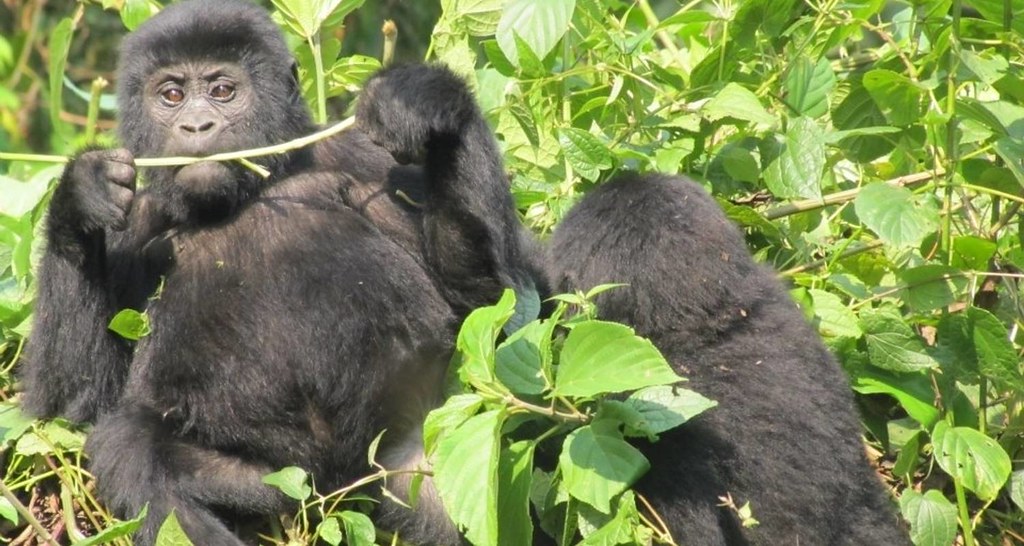
Gorilla Safaris Wet Season: Why Rain Is Not a Reason to Cancel
Gorilla safaris in East Africa are often associated with the dry season, but visiting during the wet season-typically March to May and October to November-can be equally rewarding. Destinations such as Bwindi Impenetrable National Park and Volcanoes National Park remain open for trekking, and the lush, rain-soaked forests create a unique environment for wildlife observation, photography, and immersive experiences.
While rain introduces different challenges, it also enhances the forest’s vibrancy, encourages active gorilla behavior, and reduces crowds, offering a more private, intimate experience. Understanding what to expect and how to prepare ensures that travelers enjoy the wet season safely and comfortably.
A Detailed Guide to Gorilla Safaris in the Wet Season
The Benefits of Wet Season Travel
One of the most notable advantages of the wet season is fewer visitors. Gorilla trekking permits are less in demand during rainy months, meaning smaller groups and a quieter experience in the forest. This allows trekkers to spend more quality time observing gorilla behavior without feeling rushed.
The forest itself is transformed during the wet season. Rich green foliage, sparkling streams, and vibrant vegetation create stunning scenery that enhances photography and immersion. Wildlife, including gorillas and birds, can be more active as food is abundant, resulting in dynamic and lively encounters.
Wet conditions can also improve birdwatching opportunities, with migratory and endemic species appearing more frequently, adding another layer of wildlife observation for those interested in ornithology.
Trekking Conditions in Rain
While rain can make forest trails slippery and muddy, guides are experienced in managing wet conditions and ensuring safety. Trekking poles and sturdy waterproof boots help maintain balance on uneven paths.
Trails in sectors like Buhoma, Rushaga, and Nkuringo in Uganda or Karisimbi and Susa in Rwanda are generally well-maintained, and guides adjust the pace to suit all participants, making the trek manageable even in wet weather.
Rain may also encourage gorillas to be more visible in certain areas, as they move along drier paths to avoid soaked vegetation.
Photography Opportunities
The wet season provides photographers with unique lighting and forest ambiance. Overcast skies diffuse light, reducing harsh shadows and producing soft, natural tones in photographs. Dew and rainfall add a dynamic, textured look to forest images.
Photographers can capture gorillas interacting in lush, verdant surroundings, and the rain-soaked forest provides a dramatic backdrop for wildlife shots. Waterproof camera covers, quick-drying gear, and extra battery packs are recommended to ensure equipment is protected and functional.
Accommodation and Lodge Considerations
Lodges remain fully operational during the wet season, often offering better availability and occasional discounted rates due to lower tourist traffic. Many properties in Bwindi Impenetrable National Park and Volcanoes National Park provide covered observation decks, indoor dining, and cozy common areas that make downtime during rain enjoyable.
Lodges often arrange alternative activities such as guided forest walks, cultural visits, or wildlife observation near the lodge, ensuring that visitors remain engaged even when rain limits trekking time.
Health and Comfort Tips
Rainy season travel requires preparation for wet conditions. Waterproof jackets, ponchos, and quick-drying clothing keep trekkers comfortable throughout the hike.
Insect repellent is essential, as humid conditions can increase the presence of mosquitoes and other insects. Trekking boots with good grip prevent slips on muddy terrain, and carrying a change of socks and dry clothes adds comfort after the trek.
Hydration and balanced nutrition remain important, as humid conditions can be deceptively tiring even during moderate treks.
Planning and Logistics
Although rain can affect road conditions, careful planning with experienced operators ensures smooth transfers and timely arrivals at trekking starting points. Internal flights or lodges located close to park entrances can minimize exposure to rough roads during heavy rainfall.
Travelers should remain flexible with timing and expect occasional delays, understanding that forest conditions and gorilla welfare take precedence over strict schedules.
Maximizing the Wet Season Experience
Travelers can maximize the wet season by embracing the slower pace and quieter trails. Guides often adjust routes and trekking duration based on weather, ensuring safety and comfort.
Extended stays or additional trekking days increase the likelihood of witnessing unique gorilla behaviors and allow photographers to capture multiple scenarios in lush, green forest settings.
Supplementary activities such as birdwatching, cultural immersion, and nature walks around the lodge add diversity to the safari without relying solely on trekking days.
Advantages for Different Travelers
For solo travelers or couples seeking privacy, the wet season’s smaller groups provide a more intimate and peaceful experience.
Senior travelers benefit from reduced crowding and slower trekking paces, while photographers gain access to vibrant forest landscapes and unique lighting conditions. Families with children above the trekking age may also find shorter trails more manageable in smaller groups.
Conservation Awareness
Visiting during the wet season supports conservation even when tourism is lower. Permit fees and lodge contributions continue to fund anti-poaching efforts, veterinary interventions, and community programs that protect gorillas and their habitats.
Responsible trekking and adherence to park rules ensure minimal environmental impact, allowing forest ecosystems to thrive year-round.
Embracing the Wet Season for Gorilla Safaris
Rainy months should not deter travelers from experiencing gorilla safaris in East Africa. Destinations like Bwindi Impenetrable National Park and Volcanoes National Park offer lush, vibrant forests, fewer crowds, and unique wildlife opportunities during the wet season.
With proper preparation, suitable clothing, waterproof gear, and flexible itineraries, trekkers can enjoy safe, comfortable, and highly rewarding encounters with mountain gorillas.
The wet season provides a distinct perspective on forest life, highlighting the resilience and beauty of gorillas and their environment while creating memorable, immersive safari experiences that stand out from peak-season visits.