
How to Choose a Gorilla Safari Operator: 10 Essential Questions
Choosing the right gorilla safari operator is one of the most important decisions for a successful and enjoyable mountain gorilla experience. With destinations like Bwindi Impenetrable National Park and Volcanoes National Park attracting international travelers, operators vary in experience, services, and quality.
A reputable operator ensures smooth logistics, expert guidance, comfortable accommodation, and safe, ethical interactions with gorillas. Asking the right questions before booking helps travelers avoid unnecessary stress, maximize the experience, and support responsible tourism and conservation.
A Detailed Guide: 10 Questions to Ask Before Booking
1. Are You Licensed and Accredited?
Ensure the operator is officially licensed by the relevant national authorities. In Uganda, this means registration with the Uganda Tourism Board, while in Rwanda, it involves Rwanda Development Board accreditation.
Licensing guarantees that the company operates legally, adheres to safety standards, and complies with local regulations regarding gorilla trekking permits, park entry, and conservation practices.
2. How Experienced Is Your Team?
Experience matters, particularly when trekking in challenging terrain and interacting with wildlife. Ask about the number of years the operator has been running gorilla safaris and the expertise of their guides.
Operators with experienced guides provide insights into gorilla behavior, forest navigation, photography tips, and safety protocols. Guides trained in first aid and conservation education enhance the overall trekking experience.
3. What Gorilla Trekking Packages Do You Offer?
Operators should provide a range of trekking options, including different sectors, habituated gorilla families, and durations. Some may offer specialist photography or birding packages.
Understanding the available packages allows travelers to select the experience that aligns with their interests, fitness levels, and budget.
4. How Do You Handle Permits and Bookings?
Gorilla trekking permits are limited and often sell out months in advance. Confirm that the operator handles permit reservations efficiently and transparently.
Ask whether permit fees are included in the package and if there are options for flexible dates in case of rescheduling. Reliable operators ensure permits are secured before departure, preventing last-minute disappointments.
5. What Lodges or Accommodation Are Included?
Accommodation quality affects comfort and convenience, particularly for short or extended safaris. Ask about lodge proximity to trekking starting points, facilities, meals, and additional amenities.
Operators should provide options ranging from budget-friendly to luxury lodges, allowing travelers to match their preferences while minimizing travel time to the park entrances.
6. How Do You Manage Health and Safety?
Safety is critical when trekking in dense forests. Ask about the operator’s protocols for medical emergencies, guide-to-client ratios, and contingency plans for weather, difficult terrain, or wildlife encounters.
Reputable companies ensure that guides are trained in first aid and that clients receive a briefing on trekking safety, gorilla etiquette, and park rules.
7. Do You Offer Custom or Flexible Itineraries?
Each traveler has different goals, fitness levels, and interests. Ask whether the operator can tailor itineraries for specific needs, such as photography, birding, family travel, or extended safaris.
Flexibility ensures that clients experience gorilla trekking without unnecessary strain while including complementary activities such as cultural visits or wildlife drives.
8. How Do You Support Conservation and Communities?
A responsible operator contributes to local conservation efforts and community development. Ask about their involvement in anti-poaching initiatives, community tourism projects, and wildlife protection programs.
Operators aligned with ethical tourism practices provide a more meaningful experience, knowing that the safari supports gorilla welfare and local livelihoods.
9. What Is Included in the Package?
Clarify all inclusions and exclusions, such as park fees, meals, transfers, accommodation, and optional activities. Hidden costs can significantly affect the overall budget and experience.
Operators should provide a clear breakdown so that travelers know exactly what to expect and can compare packages objectively.
10. What Do Past Clients Say About Their Experience?
Reputation matters. Ask for testimonials, reviews, or references from previous clients. Check for consistent positive feedback regarding guides, lodges, logistics, and customer service.
An operator with a proven track record of satisfied clients provides confidence that the safari will run smoothly and meet expectations.
Additional Considerations
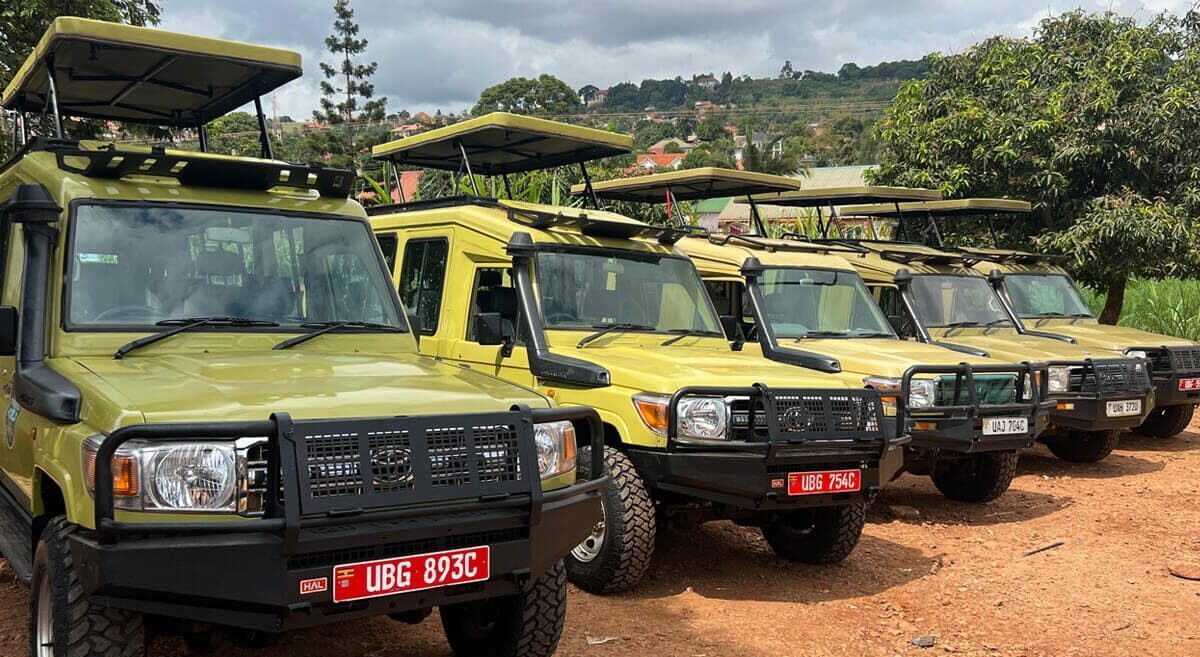
Travelers should also inquire about group size, guide-to-client ratios, and transportation arrangements. For international visitors, understanding visa requirements, recommended vaccinations, and currency considerations is essential.
Operators who provide pre-trip advice, detailed itineraries, and responsive communication contribute to a stress-free and rewarding safari experience.
Ensuring a Safe and Rewarding Gorilla Safari
Choosing the right gorilla safari operator is foundational to a memorable, safe, and ethical experience. By asking these 10 essential questions, travelers can evaluate expertise, logistical support, accommodation, conservation commitment, and flexibility.
Destinations like Bwindi Impenetrable National Park and Volcanoes National Park attract operators of varying quality, making research and careful selection critical.
A well-chosen operator not only ensures that trekkers enjoy intimate encounters with mountain gorillas but also contributes to broader conservation efforts and local community support, creating a responsible and unforgettable East African wildlife experience.