
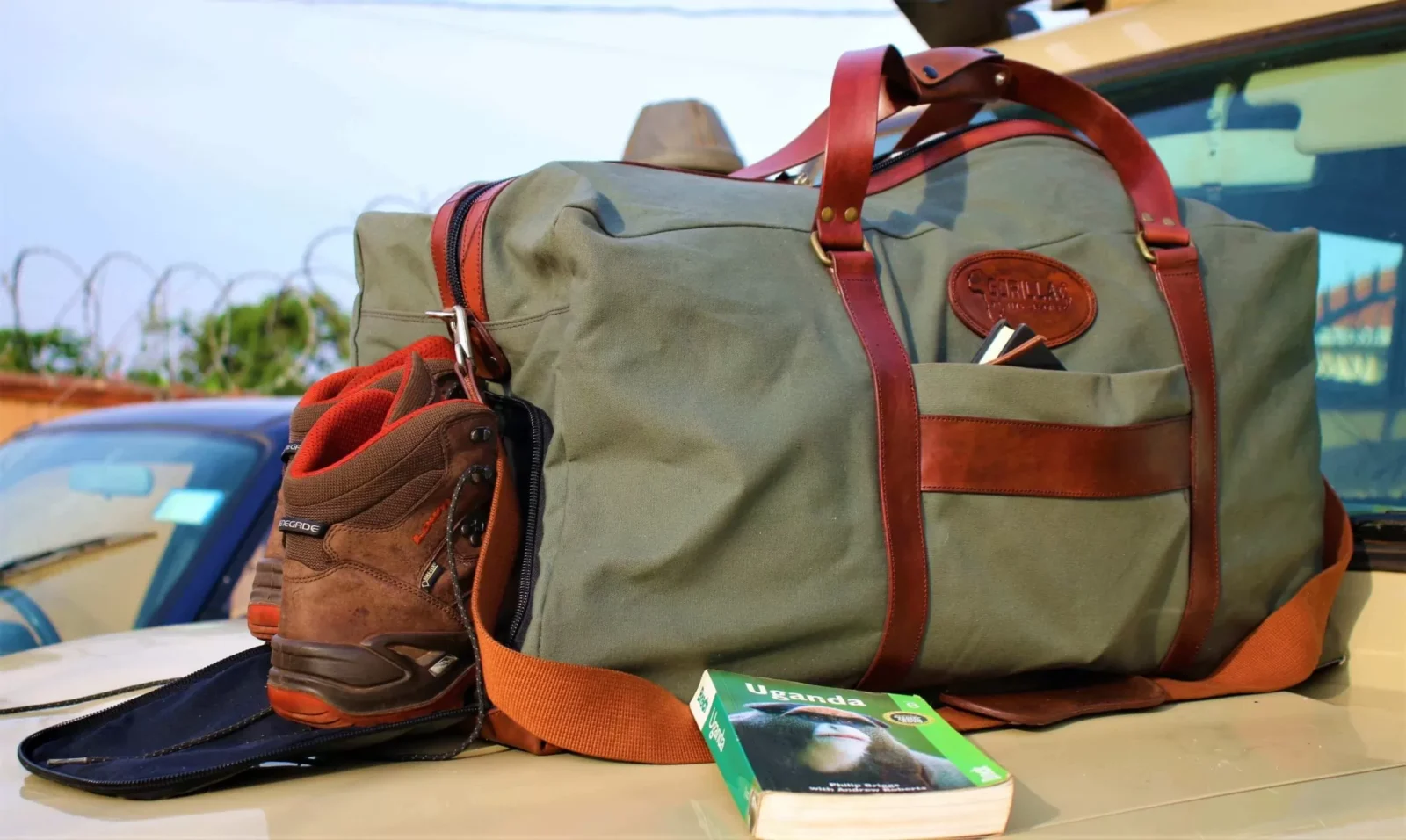
Gorilla Safaris Packing List: The Definitive Checklist
Preparing for a gorilla safari in Uganda or Rwanda requires careful consideration, as trekking in dense rainforest environments presents unique challenges compared to traditional African safaris. A successful gorilla trekking adventure demands gear that addresses variable weather, muddy trails, steep terrain, and potential encounters with insects and dense vegetation.
The objective is to combine comfort, safety, and functionality while remaining prepared for unpredictable conditions. A well-packed bag ensures that trekkers can fully enjoy encounters with mountain gorillas (Gorilla beringei beringei) in Bwindi Impenetrable National Park, Mgahinga Gorilla National Park, or Volcanoes National Park.
Clothing Essentials
For trekking in rainforest conditions, layered, protective, and quick-dry clothing is essential.
Long-sleeved shirts and lightweight pants protect against scratches from vegetation and insect bites. Breathable, moisture-wicking fabrics help manage sweat in humid environments.
Waterproof jackets or ponchos are indispensable for sudden showers, especially during the wet season from March to May. Lightweight rain gear ensures comfort without restricting movement.
Trekking boots with strong ankle support and non-slip soles are critical for navigating muddy and uneven forest trails. Hiking socks, preferably quick-dry, reduce the risk of blisters and provide comfort during extended treks.
Gloves provide additional protection for hands when climbing over roots, branches, and rough terrain. A hat or cap is recommended to shield against sun and drizzle.
Equipment and Trekking Gear
Trekking poles enhance stability on steep or slippery slopes, making long hikes more manageable. A small backpack is necessary to carry water, snacks, rain gear, and personal items.
A reusable water bottle or hydration system ensures adequate hydration throughout the trek. Energy-rich snacks, such as nuts and bars, are recommended for long treks.
Binoculars allow close observation of gorilla behavior before reaching the group. A camera with a telephoto lens is ideal for capturing high-quality wildlife photographs while maintaining a safe distance.
Headlamps or flashlights can be useful in dense, shaded rainforest areas, particularly during early morning or late afternoon treks.
Personal Items and Health Essentials
Insect repellent is crucial to protect against mosquitoes and other biting insects in rainforest habitats. Sunscreen is also recommended, as sun exposure can be significant during breaks in canopy cover.
Basic first aid items, including plasters, antiseptic wipes, and medications for headaches or stomach issues, are recommended. Personal hygiene items such as hand sanitizer and tissues are also useful in remote trekking areas.
Travel insurance documents, permits, identification, and emergency contact information should be kept in a waterproof pouch for easy access.
Optional Items for Comfort and Photography
A lightweight poncho or gaiters can help keep legs and shoes dry in muddy conditions. Quick-dry towels and a change of clothes are useful for after the trek.
For photographers, extra camera batteries, memory cards, and lens cleaning kits ensure that the moment is captured without interruption. Waterproof camera cases or rain covers protect equipment from sudden showers.
A notebook or field journal can help document observations, track gorilla behavior, or simply record personal experiences during the safari.
Clothing and Gear Tips for Seasonal Considerations
During the dry season (June to September, December to February), trails are easier to navigate, and lighter layers may suffice. However, rain gear should always be available for occasional showers.
During the wet season (March to May, October to November), heavier waterproof gear, gaiters, and extra socks become essential due to muddy, slippery trails and persistent rainfall.
The layering principle is crucial. Morning temperatures in high-altitude forests can be cool, while afternoons are warmer and more humid. Adjustable layers help maintain comfort throughout the day.
Supporting Local Communities and Conservation
Hiring local porters not only reduces physical strain during trekking but also contributes directly to local communities. Porters can carry extra gear, provide guidance, and ensure a safer, more efficient trekking experience.
Using reusable items such as water bottles and eco-friendly gear supports sustainable tourism practices, reducing environmental impact in sensitive rainforest ecosystems.
Final Thoughts on Gorilla Safari Packing
A well-prepared packing list is the foundation of a successful gorilla safari. From durable clothing and waterproof gear to essential health and safety items, every piece contributes to comfort, safety, and enjoyment.
Planning for variable weather, dense rainforest terrain, and extended trekking hours ensures that visitors can focus entirely on the once-in-a-lifetime experience of observing mountain gorillas in their natural habitat.