
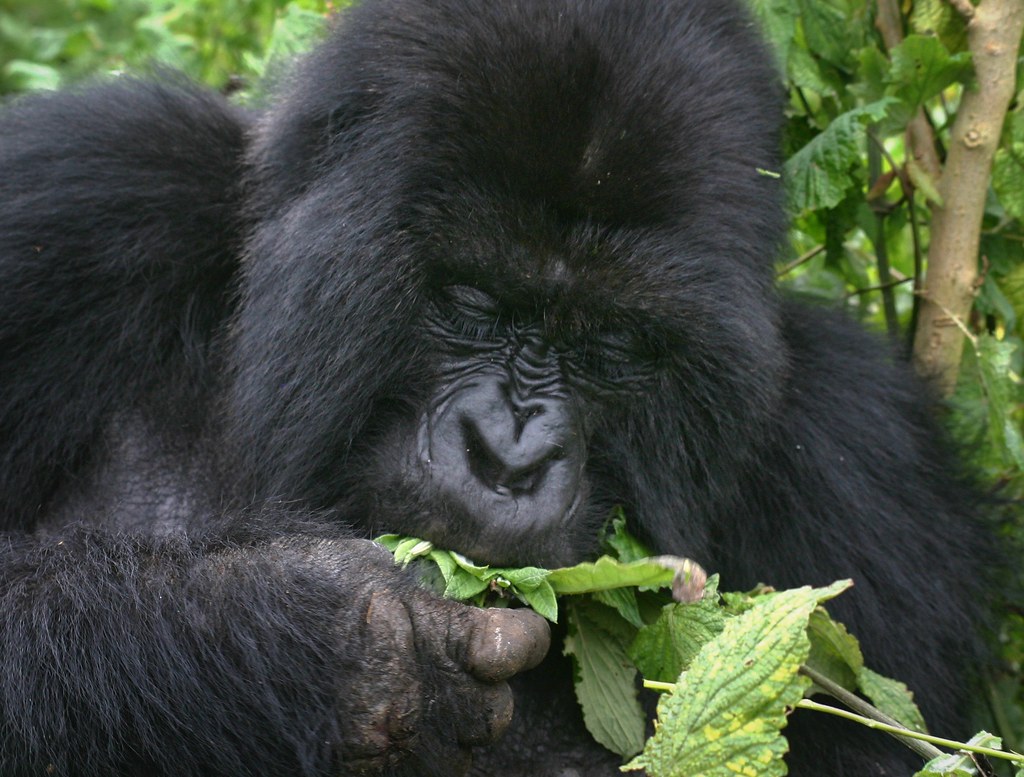
Gorilla Safaris Uganda Mgahinga: The Lesser-Known Alternative
Mgahinga Gorilla National Park, located in southwestern Uganda along the Virunga Massif, offers a unique and intimate gorilla safari experience distinct from the more popular Bwindi sectors. Often overlooked by mainstream tourism, Mgahinga is ideal for travellers seeking serenity, smaller trekking groups, and a less commercialized encounter with mountain gorillas in 2026.
Covering just 33 square kilometers, Mgahinga is Uganda’s smallest national park, yet it is rich in biodiversity, including mountain gorillas, golden monkeys, and a wide variety of birds. Its rolling hills, volcanic peaks, and bamboo forests provide a visually stunning and photogenic backdrop, making it one of the country’s most scenic and tranquil gorilla trekking destinations.
Mgahinga’s remote location and smaller park size mean fewer tourists, creating a more personalized and immersive safari experience. Beyond gorilla trekking, the park offers volcano hikes, cultural encounters, and forest exploration, making it a versatile option for adventurous travellers seeking authentic wildlife and nature experiences in Uganda.
Gorilla Trekking in Mgahinga
Mgahinga is home to the habituated Nteko gorilla family, a group known for its friendly and relatively active behavior, making it an excellent choice for observation and photography. Treks here are generally shorter and less physically demanding than Nkuringo or Rushaga, but the dense bamboo forests and volcanic slopes still require moderate fitness and preparation.
Trekkers spend one hour observing the gorillas, guided by highly experienced rangers who ensure safety and adherence to gorilla etiquette. Smaller group sizes enhance the intimacy of the encounter, allowing visitors to observe behavioral patterns, social interactions, and family dynamics without the distraction of larger crowds.
Scenic and Natural Highlights
Mgahinga’s landscape is characterized by volcanic peaks, bamboo forests, and misty highlands, offering stunning vistas and unique photographic opportunities. Hikes often include views of the Virunga volcanoes, including Mount Sabinyo, Mount Gahinga, and Mount Muhabura, which dominate the horizon and create a dramatic backdrop for wildlife encounters.
The park is also home to golden monkeys, which are easier to spot than gorillas due to their playful and social behavior. Birdwatchers will delight in over 180 recorded species, including African green broadbills, great blue turacos, and rare mountain butterflies, enhancing the diversity of experiences for visitors.
Cultural and Community Engagement
Mgahinga is inhabited by Batwa communities, indigenous people with deep historical ties to the forest. Some trekking packages include cultural visits, where tourists can learn about traditional Batwa lifestyles, crafts, and folklore. These interactions provide meaningful context for the region’s conservation efforts and highlight the challenges and contributions of local communities in protecting the forest and wildlife.
Nearby villages offer opportunities to purchase handmade crafts, participate in drumming and dance workshops, and gain insight into rural Ugandan life. Engaging with these communities allows tourists to support local livelihoods while experiencing authentic cultural exchange.
Accommodation and Lodging
Mgahinga offers a range of lodges and eco-resorts that emphasize comfort, privacy, and immersion in nature. Luxury lodges provide panoramic views of volcanoes, private decks, fine dining, and spa services, ideal for travellers seeking a romantic or high-end safari experience. Mid-range lodges and eco-camps offer cozy forest cabins, proximity to trekking trails, and immersive natural surroundings.
Many accommodations practice sustainable tourism, including solar energy usage, water conservation, and community support initiatives, ensuring that visits contribute positively to both conservation and local development.
Practical Tips for Trekking Mgahinga
Fitness Level: Moderate; suitable for most visitors with reasonable stamina.
Trekking Duration: 2–4 hours depending on gorilla location and trail conditions.
Best Time to Visit: Dry seasons (June–September and December–February) for easier trekking and clearer views.
Gear Recommendations: Hiking boots, rain gear, trekking poles, gloves, insect repellent, and a camera.
Local Currency: Ugandan Shillings (UGX) for local purchases and tips.
Health: Malaria prophylaxis advised; carry sufficient water.
Booking: Limited permits are available due to the park’s small size, so early booking is essential.
Suggested Itinerary
Day 1: Arrival and Lodge Check-In
Arrive in Kisoro or Kabale, transfer to Mgahinga lodge, settle in, and enjoy scenic views of volcanic peaks.
Day 2: Gorilla Trekking Adventure
Morning briefing, guided trek to observe the Nteko gorilla family, one-hour gorilla encounter, return to lodge for relaxation.
Day 3: Volcano Hike and Community Visit
Optional hike up Mount Sabinyo or guided forest walk, visit Batwa community for cultural immersion, evening lodge relaxation.
Day 4: Departure or Extended Safari
Return to Kisoro/Kabale, or continue to Lake Bunyonyi or Queen Elizabeth National Park for extended wildlife experiences.
Mgahinga Gorilla National Park offers a lesser-known but highly rewarding alternative to Uganda’s more frequented gorilla trekking destinations. Its intimate encounters, scenic landscapes, and cultural connections make it ideal for travellers seeking authentic experiences with fewer crowds.
In 2026, Mgahinga stands out for its tranquil forest environment, spectacular volcanic scenery, and smaller trekking groups, providing a personalized and immersive gorilla safari experience. For visitors prioritizing serenity, natural beauty, and cultural engagement, Mgahinga is a must-visit destination in Uganda’s gorilla trekking circuit.