
Gorilla Safaris Rwanda Photography: Best Families and Lighting Tips
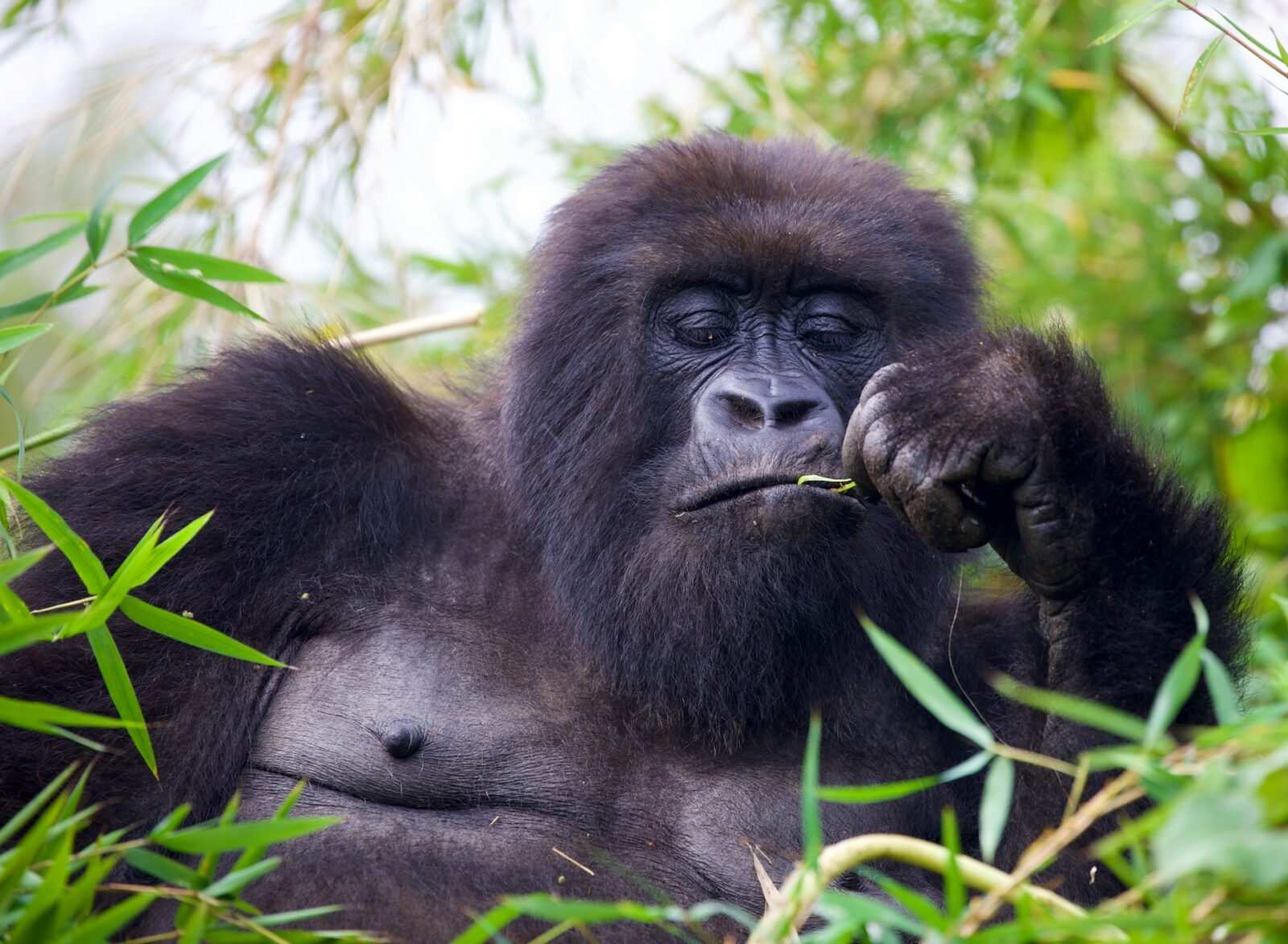
Photographing gorillas in Rwanda is one of the most rewarding yet challenging wildlife photography experiences. Deep within the misty forests of Volcanoes National Park, the combination of low light, dense vegetation, and constantly moving subjects creates a unique environment that tests both skill and patience.
A successful gorilla photography safari is not only about having the right equipment-it is about understanding the behavior of the Mountain Gorilla, choosing the right group when possible, and adapting to natural light conditions in the forest.
Understanding the Photography Environment
The rainforest environment in Volcanoes National Park is naturally dim. Thick canopy cover blocks direct sunlight, while mist and humidity soften the light even further. This creates a moody, atmospheric setting that is beautiful but technically demanding.
Light constantly shifts as clouds move and as you change position within the forest. One moment you may have soft diffused light, and the next, shadows may dominate the scene. Being prepared to adjust your camera settings quickly is essential.
The terrain can also be uneven and sometimes steep, meaning you must balance your footing while composing shots. This adds a physical element to photography that is rarely experienced in other settings.
Choosing the Best Gorilla Families for Photography
While you cannot always choose your gorilla group, some families are known to offer better photographic opportunities than others. Groups that live in more open areas or at lower altitudes often provide clearer views and slightly better lighting conditions.
Families with many juveniles and infants are especially appealing for photography. Young gorillas are playful and active, creating dynamic and expressive moments that translate beautifully into images.
Some groups are also more accustomed to human presence, making them calmer and easier to photograph. These families allow you more time to observe behavior and anticipate movements.
When booking your safari, it is helpful to communicate your interest in photography so that guides can try to assign you to a suitable group.
Working with Natural Light
Light is the most important factor in gorilla photography. Because artificial lighting such as flash is not allowed, you must rely entirely on available light.
Early mornings, when most treks take place, often provide soft, diffused light due to cloud cover and mist. This type of light is ideal for capturing detail without harsh shadows.
Positioning yourself correctly can make a significant difference. Whenever possible, try to shoot with the light falling gently on the gorilla’s face. Avoid strong backlighting unless you are intentionally creating a silhouette.
Open clearings within the forest are particularly valuable, as they allow more light to reach your subject. Guides often help position you for the best angles while maintaining a safe and respectful distance.
Camera Settings and Techniques
Due to low light conditions, using a higher ISO is often necessary. Modern cameras handle higher ISO levels well, allowing you to maintain a fast enough shutter speed to capture movement.
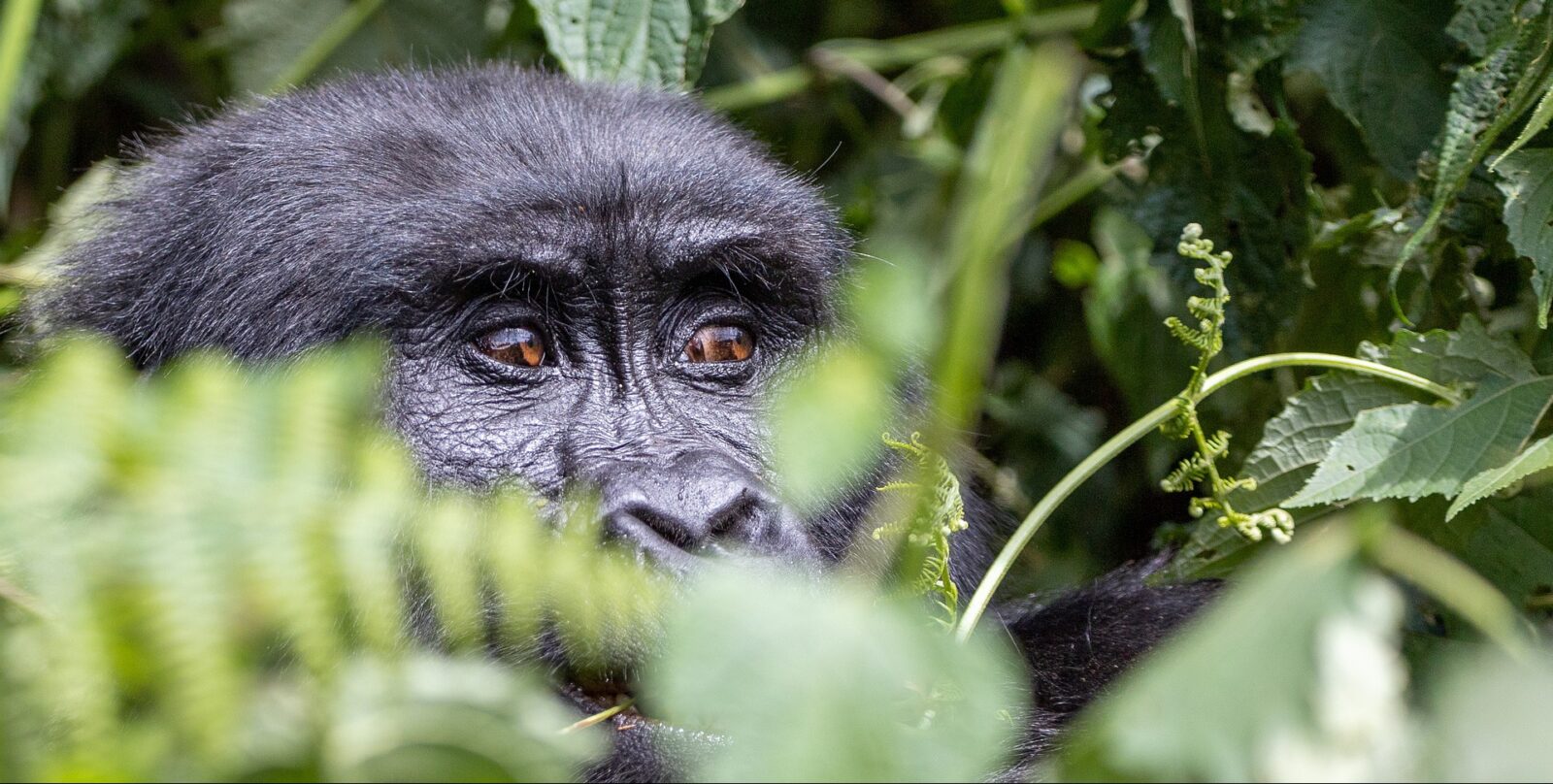
A wide aperture helps bring in more light while also creating a soft background, isolating the gorilla from the surrounding vegetation. This effect enhances the subject and adds depth to your images.
Fast shutter speeds are important, especially when photographing active juveniles or sudden movements. Even small gestures-such as a turn of the head or a glance-can make a powerful image if captured sharply.
Stability is key. While tripods are not practical during trekking, maintaining a steady posture or using a monopod can help reduce camera shake.
Capturing Emotion and Behavior
The true beauty of gorilla photography lies in capturing emotion and behavior. Gorillas are highly expressive animals, and their interactions often mirror human gestures.
Focus on moments such as a mother caring for her infant, juveniles playing, or the silverback observing his group. These scenes tell stories and create images that go beyond simple documentation.
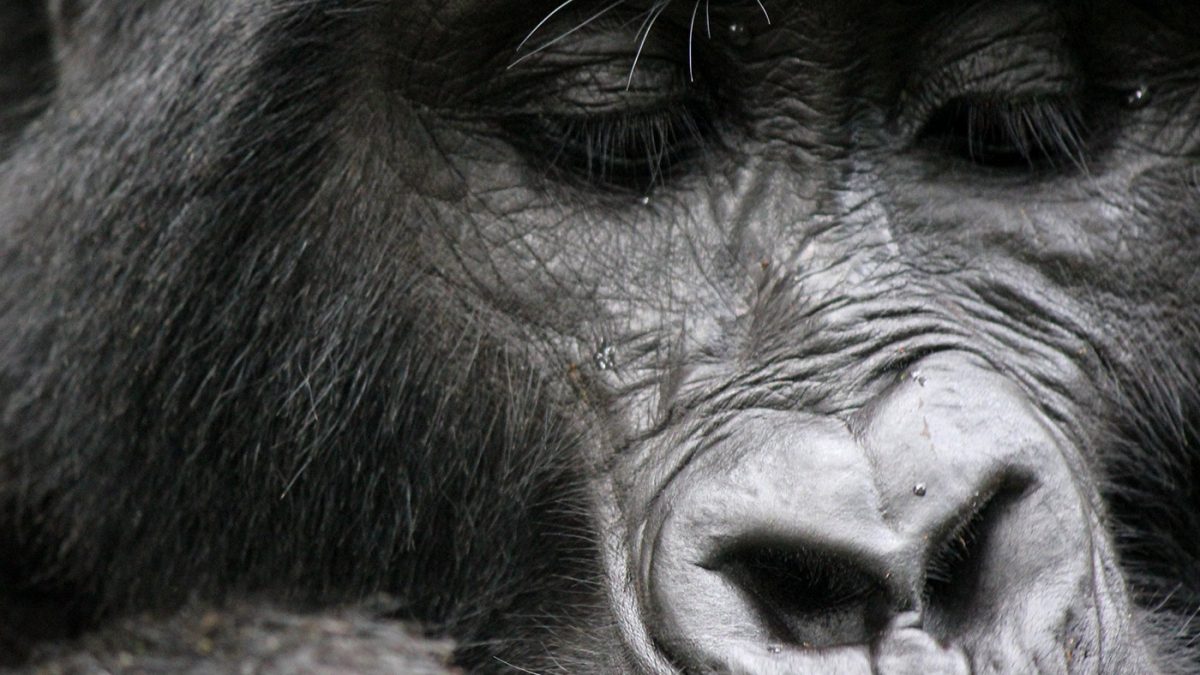
Eye contact can be especially powerful. When a gorilla looks in your direction, the resulting photograph can feel deeply personal and engaging.
Respecting Distance and Guidelines
Photography must always follow conservation rules. Visitors are required to maintain a safe distance from the gorillas, usually around seven meters.
It can be tempting to move closer for a better shot, but respecting these guidelines ensures the safety of both humans and animals. Zoom lenses allow you to capture close-up images without disturbing the gorillas.
Following instructions from guides is essential, as they understand both the behavior of the gorillas and the best positions for observation.
The Role of Weather and Atmosphere
Weather plays a significant role in shaping your photographs. Mist, light rain, and humidity can add mood and depth to your images, creating a sense of mystery and authenticity.
Rather than seeing these conditions as obstacles, embrace them as part of the environment. A slightly foggy scene or a raindrop-covered subject can result in unique and memorable photographs.
The forest is rarely predictable, and this unpredictability is part of what makes gorilla photography so special.
Preparing for the Trek
Preparation is key to a successful photography experience. Carrying lightweight but effective gear is important, as you may trek for several hours before reaching the gorillas.
Protecting your equipment from moisture is also essential. Waterproof covers or bags help safeguard your camera in the humid forest environment.
Comfortable clothing and proper footwear allow you to focus on photography without distraction, ensuring that you are ready when the moment arrives.
The Experience Beyond the Lens
While capturing images is important, it is equally valuable to take moments to simply observe. The experience of being in the presence of mountain gorillas is profound, and not everything needs to be seen through a camera.
Balancing photography with observation allows you to fully appreciate the encounter while still creating meaningful images.
A Photographer’s Dream Safari
A gorilla photography safari in Volcanoes National Park is a journey that challenges and inspires. It requires patience, adaptability, and respect for nature, but the rewards are extraordinary.
From the quiet intensity of a silverback’s gaze to the playful energy of young gorillas, every moment offers an opportunity to create something unique.
In the end, the best photographs are not just technically perfect-they are emotional, authentic, and reflective of a rare connection with one of the world’s most remarkable species.