
Gorilla Safari Conservation Tour: Behind the Scenes with Rangers
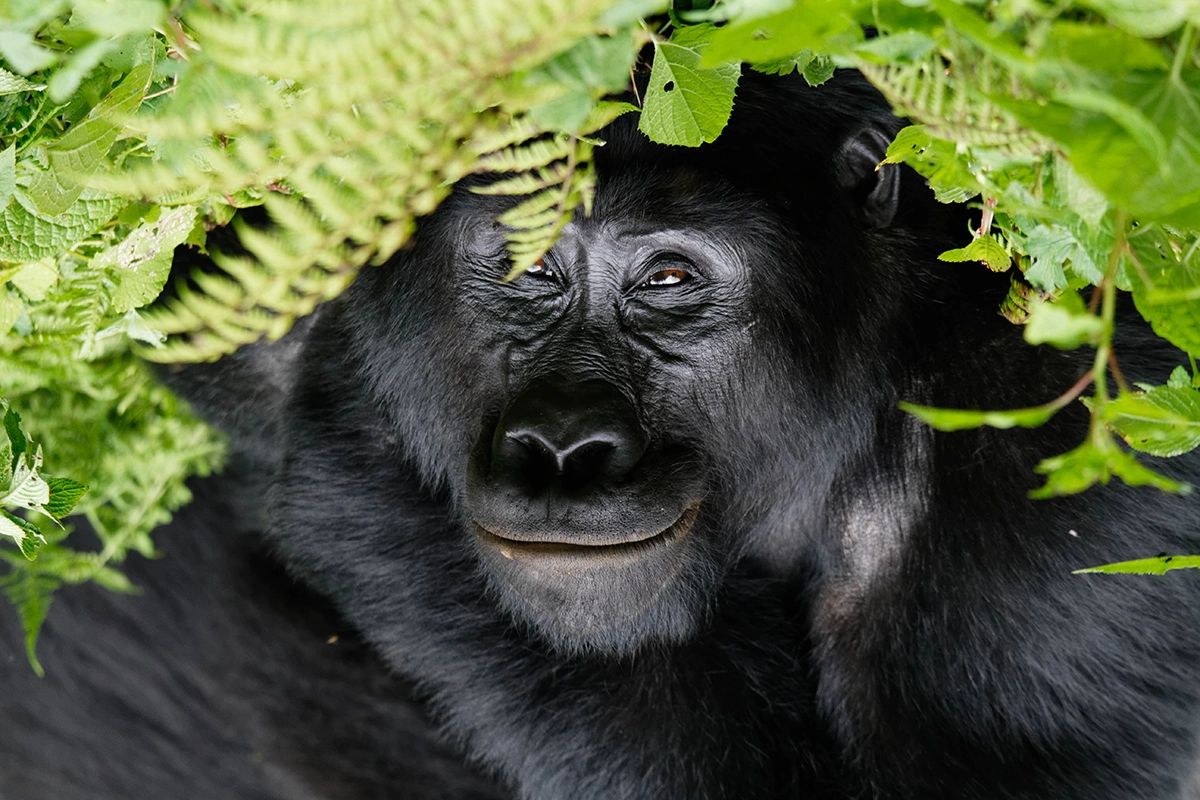
A gorilla safari conservation tour is a rare, behind-the-scenes experience that goes beyond standard trekking to reveal how mountain gorillas are actively protected, monitored, and studied on a daily basis. Unlike conventional gorilla trekking in Bwindi Impenetrable National Park or Mgahinga Gorilla National Park, this type of experience focuses less on the momentary encounter with gorillas and more on the continuous conservation systems that make those encounters possible.
It is an immersive educational journey that places you alongside rangers, trackers, researchers, and community conservation teams. You see the operational side of gorilla protection-how data is collected, how gorilla families are tracked, how threats are managed, and how human-wildlife coexistence is maintained in one of the most sensitive ecosystems on earth.
The Core Idea: Conservation as a Living System
The foundation of a conservation tour is understanding that gorilla tourism is not random wildlife viewing. It is a carefully managed system that balances three critical elements: animal welfare, scientific research, and sustainable tourism revenue.
Mountain gorillas live in fragile habitats that require constant monitoring. Every habituated gorilla family is followed daily by trained trackers who observe movement, feeding behavior, health status, and social interactions. This information is recorded and shared with veterinary teams and park authorities.
A conservation tour allows visitors to see this system in action, not as observers from a distance but as participants in ranger-led field activities.
Early Morning: Meeting the Ranger Teams
The day begins early at one of the ranger stations inside or near Bwindi. Unlike standard trekking briefings, this session is more technical and operational. You are introduced to the structure of conservation teams, which typically include rangers, trackers, intelligence officers, and researchers.
Rangers explain how patrols are organized, how gorilla families are assigned monitoring teams, and how communication flows between field units and park headquarters. This provides insight into the complexity of managing a protected rainforest ecosystem.
You may also review recent conservation reports, including gorilla health updates, birth records, and any security alerts related to poaching or habitat disturbance.
Tracking Systems: How Gorillas Are Monitored Daily
One of the most important components of the conservation tour is learning how gorillas are tracked. Each habituated group is followed by a dedicated team of trackers who begin their work before dawn.
Trackers locate night nests, identify fresh signs such as dung or feeding remains, and use this information to determine the gorillas’ direction of movement. Communication is often done via radio, allowing teams to coordinate efficiently across difficult terrain.
Visitors may accompany trackers during part of this process, gaining firsthand experience of how gorilla location data is gathered. This is physically demanding work, requiring navigation through steep, dense forest without marked trails.
Ranger Patrols and Anti-Poaching Operations
A major aspect of conservation work in Bwindi and Mgahinga involves anti-poaching patrols. Rangers conduct regular foot patrols across the forest to detect and remove illegal snares, monitor human activity, and protect wildlife corridors.
During a conservation tour, you may join a controlled patrol segment where rangers demonstrate how snares are identified and safely dismantled. These snares are often set for small animals but can unintentionally harm gorillas and other protected species.
You also learn how intelligence networks operate, including collaboration with local communities to report illegal activity. This community-based approach is essential for long-term conservation success.
Veterinary Intervention and Gorilla Health Monitoring
Another behind-the-scenes component involves wildlife veterinary teams. In cases where a gorilla is injured or showing signs of illness, specialized vets are called in to assess and treat the animal if necessary.
These interventions are rare and carefully managed to minimize stress to the gorillas. During a conservation tour, you may learn how health assessments are conducted from a distance, including visual diagnosis based on behavior, movement, and physical appearance.
This medical layer of conservation is critical, especially in protecting gorillas from human-transmitted diseases, which are one of the greatest risks to their survival.
The Role of Data Collection and Research
Scientific research is a continuous process in gorilla conservation. Every habituated gorilla family is part of long-term behavioral and ecological studies.
Rangers and researchers collect data on group size, reproductive patterns, social hierarchy changes, and habitat usage. This information helps conservationists understand population trends and make informed management decisions.
Visitors on a conservation tour may observe how data is recorded in field notebooks or digital systems, and how long-term tracking contributes to global gorilla conservation knowledge.
Human-Wildlife Conflict Management
One of the most complex aspects of conservation work is managing the relationship between wildlife and surrounding communities. In areas around Bwindi, human settlements exist close to forest boundaries.
Rangers work to reduce conflict through monitoring crop-raiding incidents, educating communities, and implementing deterrent strategies. Compensation and community benefit programs are also part of this system, ensuring that local populations see tangible value in conservation.
A conservation tour often includes discussions with community liaison officers who explain how coexistence is maintained in practice.
Walking the Same Routes as Rangers
Unlike standard gorilla trekking, which follows established visitor paths, conservation tours often involve walking along ranger patrol routes. These are not tourist trails but operational paths used for monitoring and protection.
The terrain is challenging, with steep slopes, thick vegetation, and minimal signage. This gives visitors a realistic understanding of the physical demands faced by conservation teams on a daily basis.
It also highlights the dedication required to maintain constant presence in a remote and difficult environment.
Observing Gorilla Families in a Monitoring Context
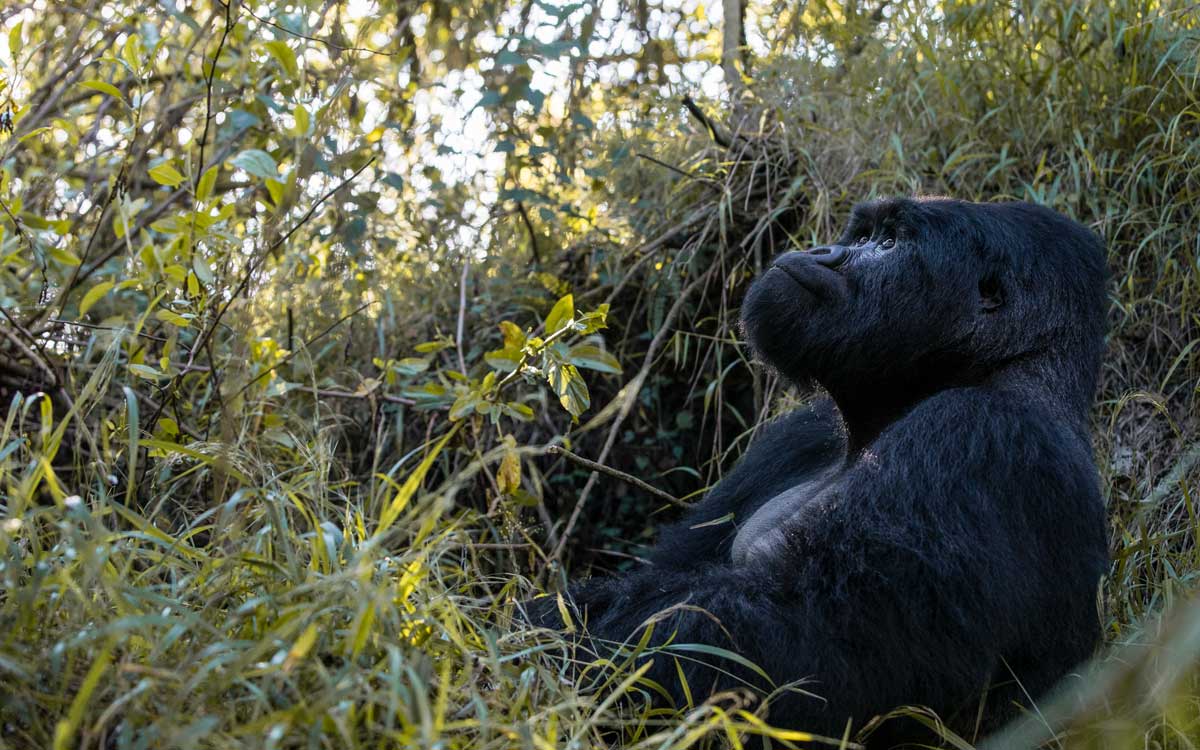
In some cases, conservation tours may include limited observation of gorilla families, but the focus is different from standard trekking. Instead of a one-hour emotional encounter, the emphasis is on behavioral monitoring.
You may observe how trackers maintain distance, how gorilla behavior is assessed for stress or normalcy, and how interactions within the group are documented.
This scientific perspective changes the way gorillas are seen. They are not just wildlife encounters but long-term study subjects within a protected system.
The Importance of Community Conservation Networks
Conservation in Bwindi and Mgahinga is not limited to park boundaries. Surrounding communities play a vital role in protecting gorillas through eco-tourism participation, reporting systems, and sustainable livelihood programs.
Many conservation tours include visits to community projects linked to gorilla tourism revenue. These may include handicraft groups, agricultural initiatives, or education programs funded by park income.
This demonstrates how conservation is not isolated but deeply integrated into local development.
Emotional and Intellectual Impact of the Experience
A gorilla conservation tour is fundamentally different in emotional tone from standard trekking. Instead of focusing on a single encounter, it builds a broader understanding of systems, people, and processes.
Emotionally, it is less about awe and more about awareness. Visitors gain appreciation for the complexity behind every gorilla sighting and the effort required to maintain stable populations in the wild.
Intellectually, it provides a structured understanding of conservation science, field operations, and ecological management.
Final Perspective
A gorilla safari conservation tour offers a rare opportunity to see beyond the tourist experience and into the operational heart of wildlife protection. In the forests of Bwindi and Mgahinga, conservation is not abstract-it is daily, physical, and highly coordinated work carried out by dedicated teams.
By walking alongside rangers, observing tracking systems, and understanding community integration, travelers gain a deeper appreciation of what it takes to protect mountain gorillas in a rapidly changing world.
This is not just a safari experience. It is an introduction to the real infrastructure of conservation, where every patrol, every data point, and every monitored gorilla contributes to the survival of an entire species.