
Gorilla Safari Jet Lag: Managing Long-Haul Travel to East Africa
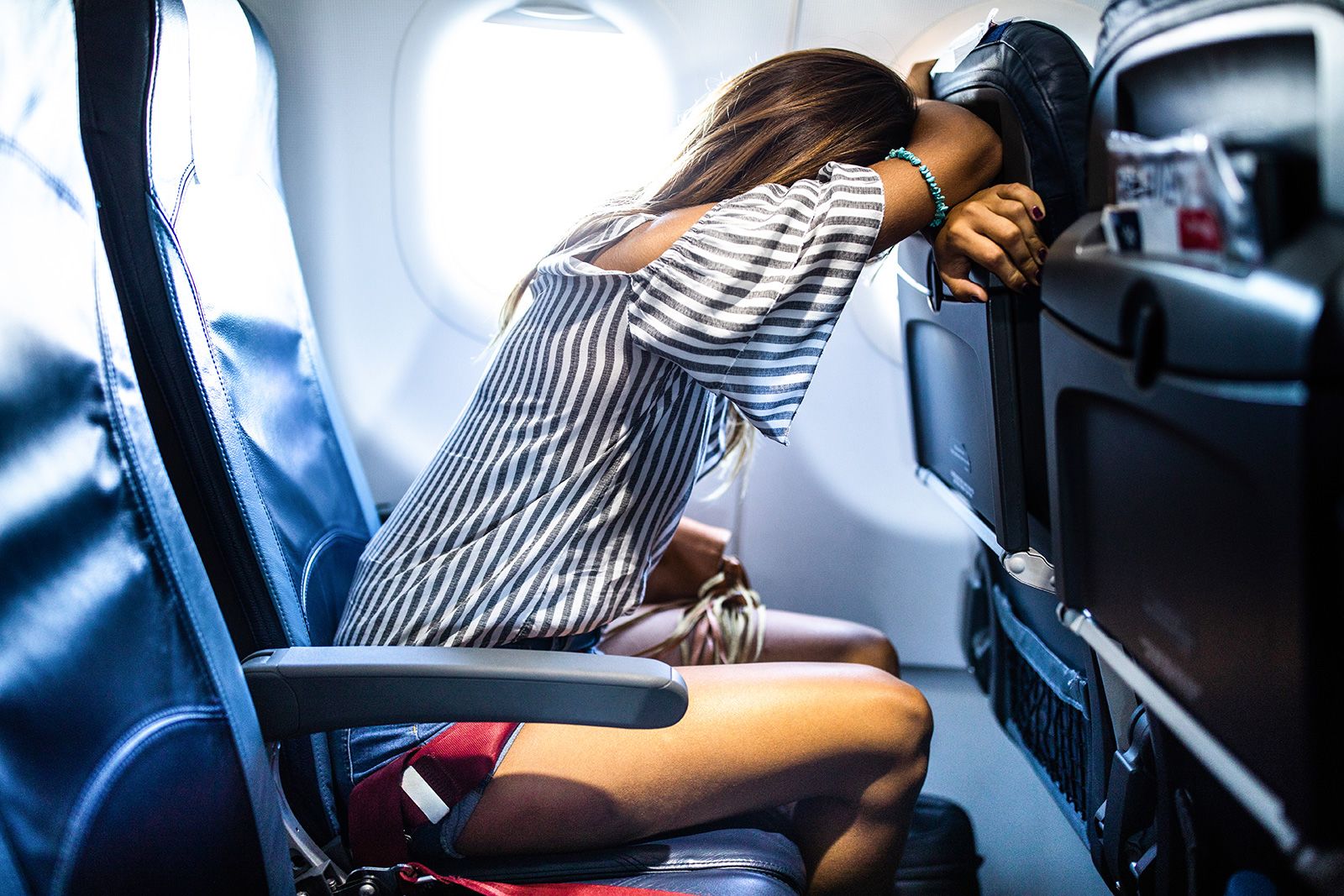
Traveling for a gorilla trekking experience in destinations such as Bwindi Impenetrable National Park and Mgahinga Gorilla National Park often involves long-haul international flights across multiple time zones. This creates a common challenge known as jet lag, which can affect sleep patterns, energy levels, hydration, and physical performance during the early days of a safari.
Because gorilla trekking is physically demanding, managing jet lag properly is not just about comfort-it directly affects your ability to enjoy the experience safely and fully.
Understanding Jet Lag in Safari Travel
Jet lag occurs when your internal body clock (circadian rhythm) is misaligned with the local time at your destination. After long flights into East Africa, travelers may experience disrupted sleep, fatigue during the day, or difficulty adjusting to early morning trekking schedules.
Uganda typically operates on East Africa Time, and travelers arriving from Europe, Asia, or the Americas often experience significant time zone shifts.
Common Jet Lag Symptoms
Jet lag symptoms vary, but commonly include:
Daytime fatigue despite adequate sleep on the plane
Difficulty falling asleep or waking up at local times
Reduced concentration and alertness
Headaches or mild dehydration
General sluggishness during physical activity
These symptoms can directly affect trekking performance if not managed early.
Why Jet Lag Matters for Gorilla Trekking
Gorilla trekking is not a casual walk. It involves:
Early morning starts
Long hiking durations
Steep and humid rainforest terrain
Sustained physical effort
If your body is still adjusting to a new time zone, fatigue can set in faster, making the trek more challenging than expected.
Pre-Travel Jet Lag Preparation
Adjust Sleep Schedule Before Departure
Gradually shifting sleep times a few days before travel helps the body adapt more easily. Moving bedtime closer to the destination time zone reduces shock upon arrival.
Prioritize Rest Before Flight
Starting a long journey already fatigued increases jet lag severity. Adequate rest before departure is essential.
Stay Hydrated Before Flying
Dehydration worsens jet lag symptoms. Drinking enough water before and during the flight helps maintain energy balance.
Managing Jet Lag During the Flight
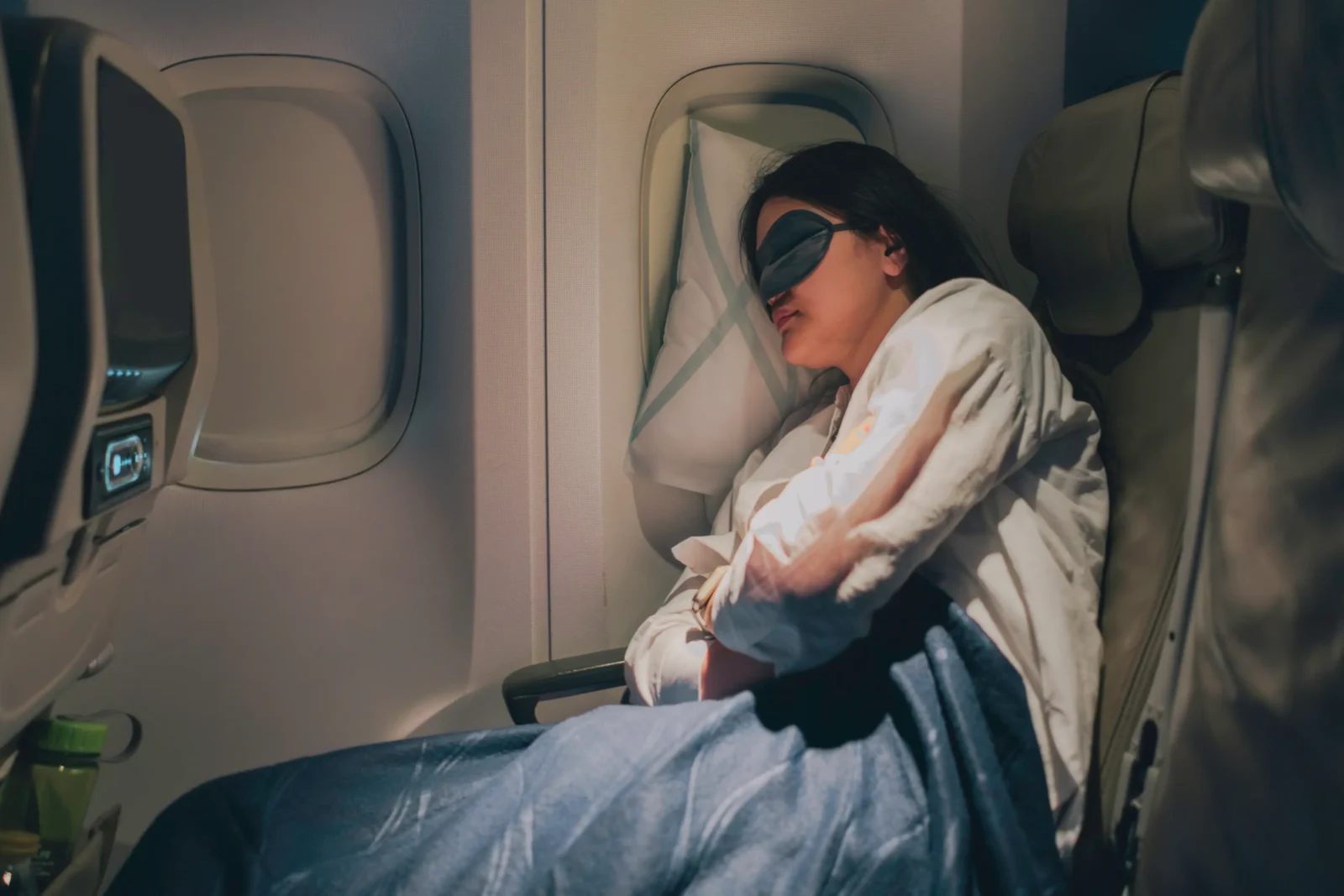
Sleep Strategically on the Plane
Try to align sleep with the destination’s night-time hours. This helps your body begin adjusting early.
Avoid Excessive Caffeine and Alcohol
Both can disrupt sleep quality and worsen dehydration, increasing jet lag effects upon arrival.
Move Regularly
Light movement during long flights improves circulation and reduces fatigue on arrival.
First 24–48 Hours After Arrival
The first two days in East Africa are critical for adjustment.
Align Immediately With Local Time
Even if tired, try to follow local meal and sleep schedules. This helps reset your internal clock faster.
Get Natural Daylight Exposure
Sunlight helps regulate circadian rhythm and reduces jet lag duration.
Take Light Activity Only
Avoid strenuous activity immediately after arrival. Gentle walking or short sightseeing is ideal.
Sleep Management Before Trekking Day
Quality sleep before gorilla trekking is essential.
Avoid Screen Overuse at Night
Blue light from devices can delay sleep onset.
Maintain a Consistent Sleep Window
Go to bed and wake up at consistent local times.
Create a Rest-Friendly Environment
Dark, quiet sleeping conditions improve recovery from travel fatigue.
Nutrition and Hydration for Jet Lag Recovery
Food and water play a major role in recovery.
Eat Light but Energy-Supportive Meals
Heavy meals can slow digestion and increase fatigue.
Hydrate Regularly
Airplane travel and climate change can cause dehydration, which worsens jet lag symptoms.
Physical Preparation After Arrival
Before trekking begins, light activity helps the body adapt.
Recommended actions include:
Short walks around the lodge area
Gentle stretching to loosen stiff muscles
Avoiding intense physical strain before the trek
This ensures your body is ready for the demanding hike ahead.
Jet Lag and Early Morning Gorilla Treks
Gorilla trekking often starts early in the morning, sometimes shortly after dawn. Jet lag can make these early starts more difficult if not managed properly.
Proper adjustment ensures:
Better alertness during briefing
Improved stamina during hiking
Reduced risk of fatigue-related discomfort
Sleep Timing Strategy for Safari Days
The most effective strategy is to sync with local sunrise and sunset patterns as quickly as possible.
Even if sleep is imperfect at first, consistency helps reset the body clock within a few days.
Common Mistakes Travelers Make
Sleeping too long during daytime arrival
Staying awake late using devices
Ignoring hydration after flights
Engaging in heavy physical activity too soon
These mistakes can prolong jet lag and reduce trekking performance.
Final Perspective
Jet lag is a normal part of long-distance travel to Uganda for gorilla trekking in Bwindi Impenetrable National Park and Mgahinga Gorilla National Park. While it cannot be avoided entirely, it can be effectively managed with proper preparation and disciplined adjustment upon arrival.
By gradually adapting sleep patterns, staying hydrated, following local time schedules, and allowing the body to recover before trekking, travelers can minimize jet lag impact.
Proper jet lag management ensures that by the time you enter the forest, your energy levels are aligned with the demands of the trek-allowing you to fully experience the rare and powerful encounter with mountain gorillas in their natural habitat.