
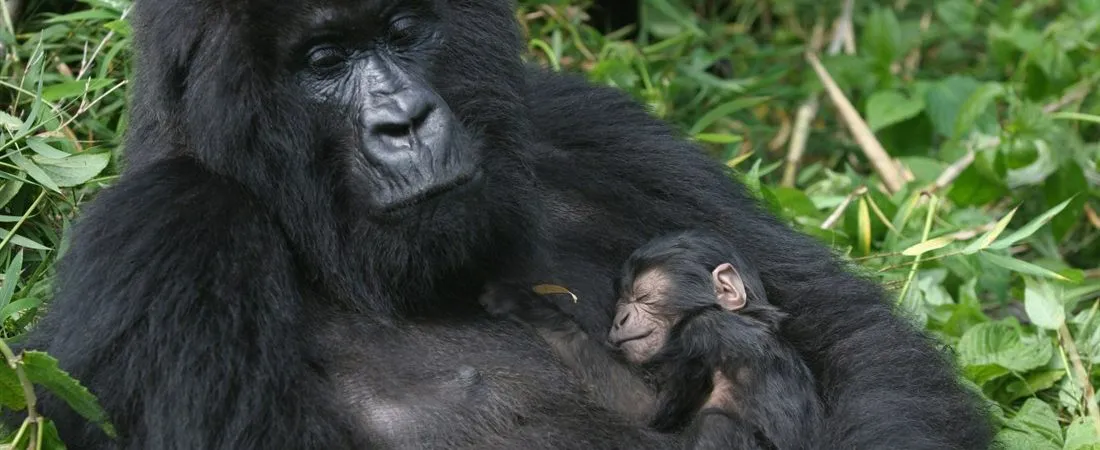
Gorilla Safari with Knee Problems: Options for Joint Issues
Gorilla trekking in ecosystems such as Bwindi Impenetrable National Park and Mgahinga Gorilla National Park is one of the most physically demanding wildlife experiences in East Africa. The activity involves long hours of hiking through steep, uneven, and often muddy rainforest terrain. For travelers with knee problems or other joint issues, this raises an important question: is gorilla trekking possible, and what realistic options exist?
The answer depends on the severity of the condition, mobility level, pain tolerance, and the type of support arrangements available.
Understanding the Challenge for Knee Conditions
Gorilla trekking is not a flat or predictable walk. It is a dynamic hike through natural forest terrain that includes:
Steep ascents and descents
Slippery mud paths after rainfall
Uneven ground with roots and rocks
Long walking durations that may last several hours
For individuals with knee problems, these conditions place repeated pressure on the joints, especially during downhill sections where impact stress increases significantly.
Types of Knee Conditions and Trekking Feasibility
Mild Knee Pain or Early Joint Stiffness
Visitors with mild discomfort or early-stage joint stiffness may still be able to participate if they are reasonably fit. Proper preparation and support can make trekking manageable.
Moderate Knee Issues
Conditions such as recurring pain, reduced flexibility, or previous minor injuries require caution. Trekking may still be possible but often depends on:
Use of trekking support options
Shorter assigned gorilla trekking routes
Good physical conditioning before travel
Severe Knee Conditions
Severe arthritis, recent surgery, ligament instability, or mobility limitations generally make gorilla trekking unsafe. In such cases, alternative safari experiences are strongly recommended.
Physical Stress on Knees During Trekking
Knee joints are heavily engaged during gorilla trekking due to constant elevation changes.
Key stress factors include:
Downhill walking increases joint compression
Uphill climbs require repeated knee flexion and support
Slippery terrain increases risk of sudden strain or twisting
Carrying weight (backpacks) adds additional pressure
These factors can worsen pre-existing knee conditions if not properly managed.
Trekking Support Options for Joint Issues
Porter Assistance
One of the most important support systems available is hiring a porter. Porters can:
Carry backpacks to reduce joint load
Offer physical support on difficult terrain sections
Help stabilize movement on steep slopes
This significantly reduces stress on knees during the trek.
Sedan Chair or Special Carry Option
In some trekking sectors, special assisted carrying options may be available for visitors with limited mobility. This allows individuals to still reach gorilla families without walking the full distance.
Availability depends on:
Park regulations
Terrain conditions
Advance arrangement with tour operators
Shorter Trekking Routes
Gorilla families are located in different zones. Some are closer and require shorter hikes, while others require longer treks.
Visitors with knee issues can request:
Short-distance gorilla groups when possible
Easier terrain assignments based on availability
However, allocation is never guaranteed because gorilla movement is unpredictable.
Preparation Strategies Before the Safari
Proper preparation can significantly improve trekking comfort.
Strengthening Exercises
Light pre-travel exercises may help improve joint stability, such as:
Gentle leg strengthening routines
Controlled walking practice on uneven surfaces
Low-impact cycling for knee mobility
Support Gear
Knee support equipment can help reduce strain:
Knee braces or compression supports
Trekking poles for stability and weight distribution
These tools reduce pressure during uphill and downhill movement.
Weight Management
Reducing carried weight is important. Using a porter ensures that the body is not burdened with additional load during trekking.
Pain Management During Trekking
If knee discomfort appears during the trek, immediate management is essential.
Recommended actions include:
Slowing down pace immediately
Taking short rest breaks when needed
Using trekking poles for support
Communicating with rangers about discomfort
Rangers are experienced in adjusting pace based on visitor condition.
Role of Terrain Awareness
Understanding terrain behavior helps reduce knee strain.
Downhill sections are usually more stressful than uphill climbs because they increase joint impact. Careful, slow movement during descent is critical for injury prevention.
When Gorilla Trekking May Not Be Suitable
Gorilla trekking may not be suitable for individuals with:
Severe osteoarthritis
Recent knee surgery or recovery
Unstable ligament conditions
Inability to walk for extended periods without pain
In such cases, medical advice is essential before making travel decisions.
Alternative Experiences for Mobility Limitations
Visitors who cannot comfortably trek still have meaningful options near Bwindi and Mgahinga.
These include:
Cultural village visits
Nature walks on gentle terrain
Birdwatching in accessible forest edges
Community and conservation experiences
These alternatives still provide rich insight into the gorilla ecosystem without physical strain.
Ranger Support and Safety Management
Rangers monitor visitor safety throughout the trek and can:
Adjust walking pace for group comfort
Allow rest stops when needed
Recommend stopping if pain becomes severe
However, evacuation from deep forest areas takes time, so self-assessment is important.
Final Perspective
Gorilla trekking with knee problems in Bwindi Impenetrable National Park and Mgahinga Gorilla National Park is possible for some travelers but requires careful evaluation, preparation, and support.
Mild to moderate joint issues may be manageable with porters, trekking poles, slower pacing, and appropriate gorilla group selection. However, severe knee conditions may make trekking unsafe due to the physical demands of steep and uneven rainforest terrain.
With the right planning and realistic expectations, travelers can still enjoy gorilla-related experiences in alternative formats while prioritizing long-term joint health and safety.