
Gorilla Safari at Dawn: Why Early Morning Treks Are Best
A gorilla safari at dawn is widely considered the most rewarding way to experience mountain gorillas in their natural habitat, especially in ecosystems such as Bwindi Impenetrable National Park and Mgahinga Gorilla National Park. The early morning window is not just a matter of convenience or tradition. It is directly tied to gorilla behavior, forest ecology, tracking efficiency, and overall visitor experience.
Understanding why dawn treks are preferred requires looking at how gorillas move, feed, and interact with their environment, as well as how ranger teams operate within the forest system.
The Natural Rhythm of Gorillas at Dawn
Mountain gorillas follow a very structured daily rhythm. At night, they build fresh nests-often on the ground or in trees-and settle in for rest. These nests are typically abandoned at sunrise. This transition period, just after dawn, is when gorillas begin their active day.
Early morning is when they are most predictable in terms of location. After waking, gorilla groups usually stay within a relatively small radius as they begin feeding on leaves, shoots, and fruits. This behavior makes them easier to track and increases the likelihood of finding them within a shorter time frame.
As the day progresses, gorillas may start moving more widely in search of food, which can increase trekking time significantly.
Why Rangers Start Tracking Before Sunrise
One of the key reasons dawn treks are preferred is the way tracking operations are structured. Ranger teams often begin their work before first light, locating gorilla night nests and identifying fresh signs of movement.
By the time tourists arrive at the briefing point, trackers already have a strong idea of where each gorilla family is headed. This early intelligence is crucial for efficiency and reduces unnecessary time spent searching deep inside the forest.
In both Bwindi and Mgahinga, this system ensures that trekking groups are deployed strategically, maximizing the chances of locating gorillas while minimizing disturbance to the ecosystem.
Better Viewing Conditions in Early Light
Dawn provides some of the best natural lighting conditions for wildlife observation in tropical forests. In the early hours, sunlight is softer and filtered through mist and canopy layers, especially in Bwindi’s dense rainforest environment.
This type of lighting enhances visibility without creating harsh shadows or overexposed highlights. For photography, it produces more balanced images and improves the ability to observe fine details in gorilla behavior.
As the day progresses, light conditions can become more challenging due to shifting canopy shadows or sudden weather changes, particularly in mountainous rainforest zones.
Cooler Temperatures and Easier Trekking Conditions
Early morning treks also benefit from cooler temperatures. In equatorial regions like southwestern Uganda, daytime heat and humidity can make physical exertion more demanding.
At dawn, the forest is cooler, and both trekkers and guides experience less heat stress. This is particularly important in steep terrain such as Bwindi, where hikes can involve significant elevation gain and uneven ground.
Cooler conditions also influence gorilla behavior. Gorillas tend to be more active in the morning, feeding steadily before resting during hotter parts of the day.
Increased Chances of Shorter Treks
While gorilla trekking duration is never guaranteed, early morning starts generally improve the likelihood of shorter hikes. This is because gorillas are more stationary after nesting and have not yet begun extensive movement through the forest.
In many cases, trekking groups locate gorillas within one to three hours during early departures, although this still depends on terrain, weather, and group movement patterns.
Later in the day, gorillas may have already moved further from their nesting sites, requiring longer tracking distances.
The Forest Atmosphere at Dawn
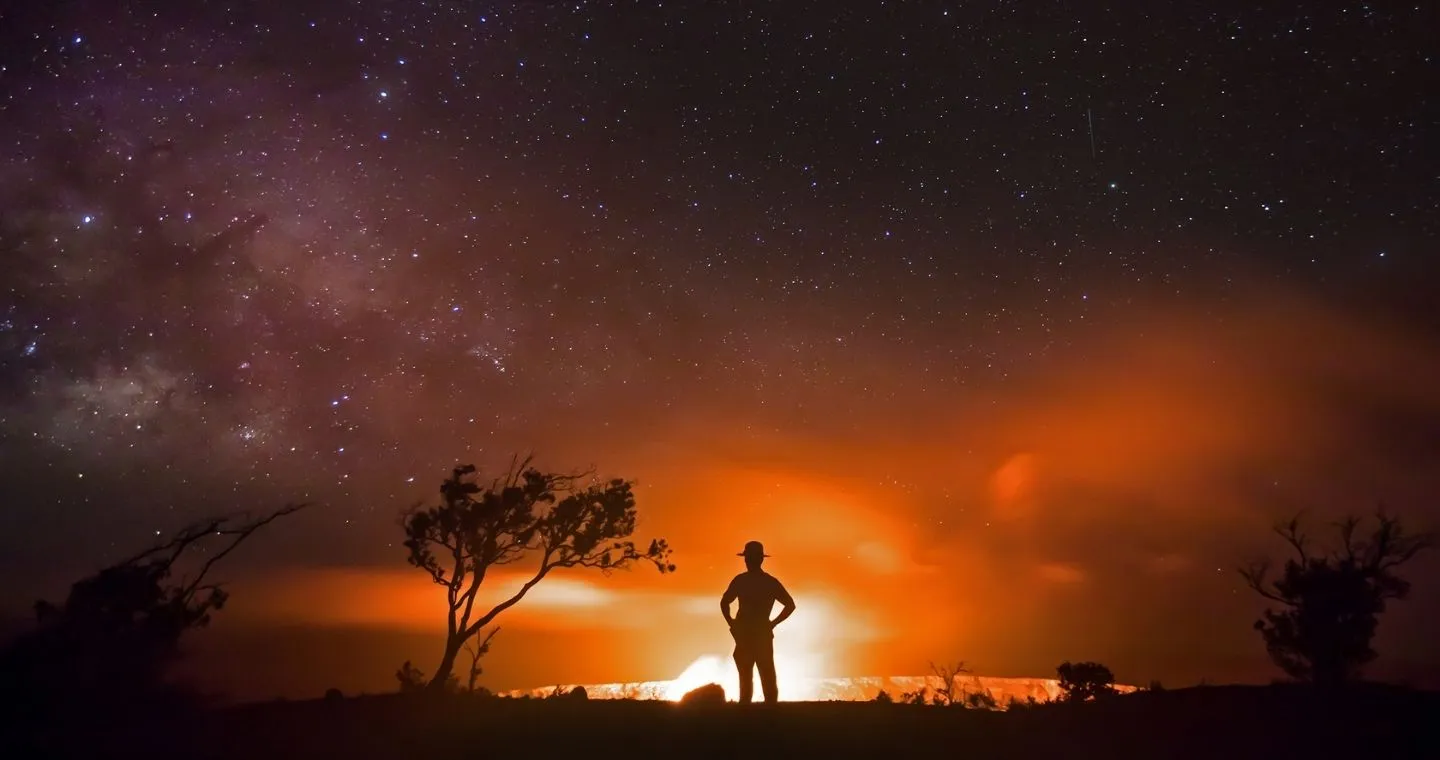
Beyond practical advantages, dawn in Bwindi and Mgahinga offers a unique sensory experience. The forest is at its quietest and most atmospheric state during the early hours.
Mist often hangs between trees, birds begin their morning calls, and the rainforest slowly transitions from night activity to daytime movement. This creates a strong sense of immersion even before gorillas are encountered.
The transition from darkness to light also enhances the feeling of entering a living ecosystem that is gradually awakening.
Behavioral Activity Peaks in the Morning
Mountain gorillas tend to follow a predictable behavioral cycle. Early morning is typically dominated by feeding and social interaction. Juveniles are often playful, grooming activity increases, and group cohesion is strong after the night’s rest.
This makes the morning window particularly valuable for observation. Behaviors are more structured and easier to interpret, providing clearer insight into social dynamics within the group.
As the day progresses, gorillas may split into smaller feeding subgroups or become more dispersed depending on food availability.
Efficiency in Conservation Management
From a conservation perspective, early morning treks are also more efficient for park management. By concentrating visitor movement in the early hours, rangers can better regulate human presence in sensitive habitats.
This reduces the overall time humans spend in gorilla territory and allows wildlife to return to undisturbed behavior patterns sooner in the day.
It also improves coordination between tracking teams, visitor groups, and conservation monitoring systems.
Psychological Readiness and Trek Experience
There is also a psychological advantage to early morning trekking. Starting the day at dawn places trekkers in a focused and alert mindset. The anticipation of the encounter builds gradually, creating a strong sense of purpose as you move deeper into the forest.
This mental preparation often enhances the emotional impact of finally encountering the gorillas. The journey feels more intentional, and the experience becomes more immersive.
Comparison with Later Treks
While afternoon or delayed treks are sometimes unavoidable, they often come with increased variability. Gorillas may have moved further, weather conditions may have shifted, and forest trails may be more physically demanding due to heat and humidity.
This does not reduce the value of the experience, but it does change the rhythm and effort required.
Dawn treks, by contrast, align more closely with natural gorilla behavior and forest conditions.
Final Perspective
A gorilla safari at dawn represents the most optimized intersection of wildlife behavior, ecological conditions, and human logistics.
In the early hours of Bwindi Impenetrable National Park and Mgahinga Gorilla National Park, gorillas are at their most predictable, the forest is at its most atmospheric, and trekking conditions are at their most favorable.
The result is a more efficient, visually rich, and emotionally powerful experience. Dawn does not just improve the chances of finding gorillas-it fundamentally shapes how the entire encounter unfolds, from the first step into the forest to the final moment of observation.