
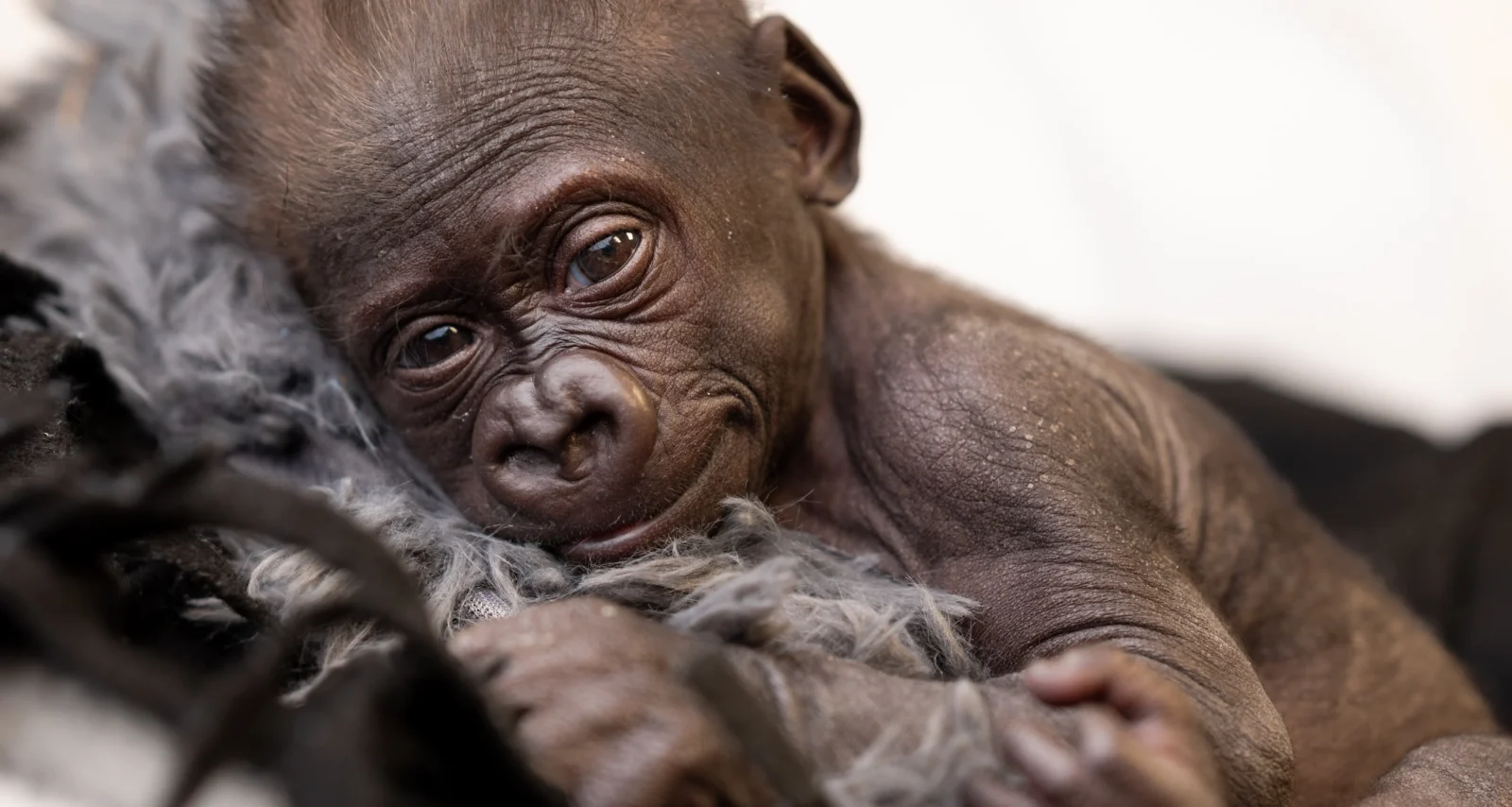
Gorilla Safari and Pregnancy: What Expecting Mothers Must Know
Gorilla trekking is one of the most physically demanding wildlife experiences in Africa, especially in rainforest environments such as Bwindi Impenetrable National Park and Mgahinga Gorilla National Park. Because of the terrain, duration, and medical considerations involved, pregnancy is a major factor that must be carefully assessed before participating.
Gorilla trekking is not simply a walk in the forest. It involves steep climbs, unstable ground, unpredictable trekking durations, and close interaction with wild mountain gorillas. These conditions make it a high-risk activity for most expecting mothers.
Is Gorilla Trekking Allowed During Pregnancy
There is no universal global law banning pregnant women from gorilla trekking, but in practice, most park authorities and tour operators strongly discourage it.
The decision is usually based on:
Individual health condition
Stage of pregnancy
Medical advice from a qualified doctor
Park safety and ranger discretion
In many cases, pregnant travelers are advised to postpone trekking until after delivery.
Physical Demands and Pregnancy Considerations
Gorilla trekking involves sustained physical effort in challenging terrain. In Bwindi and Mgahinga, conditions include steep slopes, slippery mud, dense vegetation, and long walking durations.
For pregnancy, these conditions raise several concerns:
Increased fatigue from continuous uphill walking
Higher risk of slips and falls on unstable ground
Reduced ability to recover from physical strain
Difficulty managing heat, humidity, and exertion
Even in early pregnancy, the body undergoes hormonal and cardiovascular changes that can affect endurance and balance.
Altitude and Oxygen Demand
Gorilla trekking takes place in elevated forest regions where oxygen levels are slightly lower than lowland areas. While not extreme altitude, this still increases physical demand.
During pregnancy:
The body already requires increased oxygen supply
Heart rate is naturally elevated
Physical exertion feels more intense
Combining pregnancy with sustained hiking can increase discomfort and fatigue more quickly than usual.
Risk of Medical Emergencies in the Forest
One of the most important concerns is the remote nature of gorilla trekking locations.
In Bwindi and Mgahinga:
Medical facilities are not immediately accessible
Evacuation from deep forest terrain can take time
Emergency response is limited by terrain conditions
This makes pregnancy a higher-risk condition for participation in remote trekking activities.
Safety Risks from Terrain and Wildlife Environment
The forest environment itself presents physical risks.
These include:
Slippery muddy trails
Hidden roots and rocks
Steep ascents and descents
Dense vegetation with limited visibility
Even experienced hikers can slip or lose balance in these conditions. For pregnant individuals, this increases the potential risk of injury.
Stress and Emotional Load
Gorilla trekking can also be emotionally intense. The anticipation of tracking gorillas, combined with physical exertion, can increase stress levels.
During pregnancy, stress management is important, and unpredictable trekking conditions may add unnecessary strain.
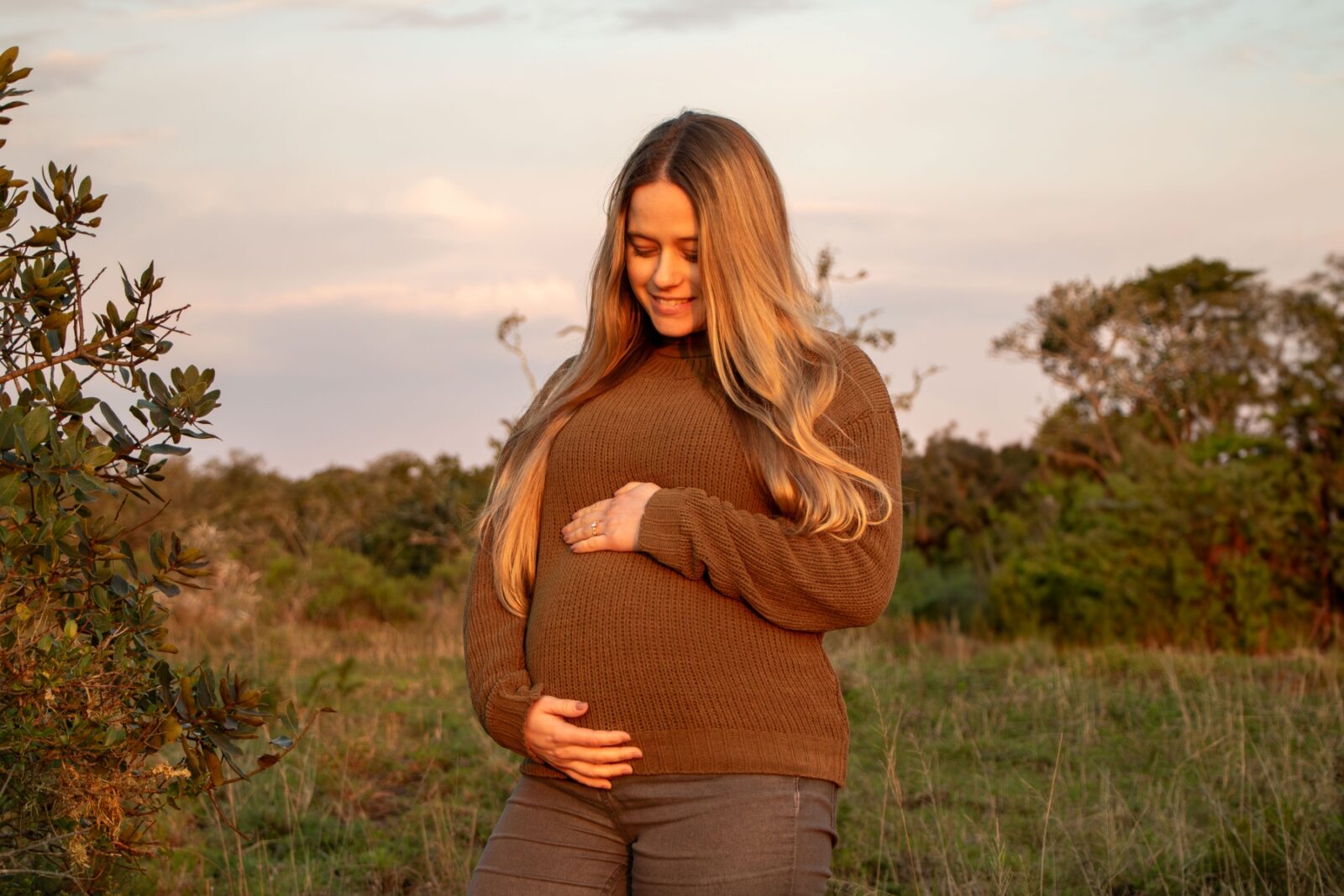
Medical Advice Requirement
Medical clearance is strongly recommended before considering gorilla trekking during pregnancy. A healthcare provider will evaluate:
Overall pregnancy health
Risk level based on trimester
Physical fitness and endurance capacity
Any complications or high-risk indicators
In most cases, medical professionals advise against participation.
Ranger and Operator Discretion
Even if a traveler feels physically capable, final approval is often influenced by park rangers and tour operators.
They may restrict participation if they believe:
The terrain conditions are too demanding that day
The individual’s health status may be at risk
Safety cannot be reasonably ensured in the forest
This is done to prioritize both visitor safety and conservation logistics.
Safer Alternative Experiences for Expecting Mothers
While gorilla trekking itself may not be suitable, there are still meaningful experiences available around the same regions.
These may include:
Community and cultural village visits
Nature walks in low-impact forest areas
Birdwatching in accessible locations
Cultural performances and storytelling experiences
These options allow engagement with the region without physical strain.
Why the Precaution Is Strictly Enforced
The restrictions around pregnancy are not meant to exclude travelers but to ensure safety in a challenging environment.
The main reasons include:
Preventing health emergencies in remote terrain
Avoiding physical strain during sensitive pregnancy stages
Protecting both mother and unborn child
Ensuring safe evacuation is always possible
Gorilla trekking prioritizes controlled risk environments, and pregnancy introduces additional medical uncertainty.
Final Perspective
Gorilla trekking in Bwindi Impenetrable National Park and Mgahinga Gorilla National Park is an extraordinary wildlife experience, but it is also physically demanding and medically sensitive.
For expecting mothers, the combination of steep terrain, unpredictable trekking duration, altitude exposure, and limited emergency access makes participation generally unsafe or strongly discouraged.
The most responsible approach is to seek medical advice before planning the activity and consider alternative cultural and nature-based experiences in the region.
Ultimately, the goal is not exclusion but safety-ensuring that both mother and child remain protected while still allowing meaningful engagement with Uganda’s rich natural and cultural environment.