
Gorilla Safari with Asthma: Is High Altitude Forest Trekking Safe
Gorilla trekking in forest ecosystems such as Bwindi Impenetrable National Park and Mgahinga Gorilla National Park is physically demanding due to steep terrain, humidity, dense vegetation, and sustained walking at varying elevations. For individuals with asthma, the question of safety is important because respiratory control plays a central role in trekking comfort and endurance.
Asthma does not automatically disqualify someone from gorilla trekking, but it does require careful preparation, medical planning, and risk awareness.
Is Gorilla Trekking Safe for People with Asthma
In most cases, mild or well-controlled asthma can be compatible with gorilla trekking, provided the individual is physically fit and properly prepared.
However, safety depends on:
Severity of asthma condition
Level of fitness and endurance
Environmental triggers such as humidity or cold air
Access to medication during the trek
Medical clearance before travel
Severe or uncontrolled asthma significantly increases risk and may make trekking unsafe.
Why Forest Trekking Can Affect Asthma
Gorilla trekking environments combine several factors that may trigger asthma symptoms.
High Humidity and Dense Vegetation
Forest environments are humid, which can:
Make breathing feel heavier
Increase airway sensitivity in some individuals
Trigger mild respiratory discomfort
Physical Exertion on Steep Terrain
The trek involves continuous uphill walking. This increases oxygen demand and can trigger exercise-induced asthma symptoms in sensitive individuals.
Temperature Changes
Early morning starts and shaded forest areas can create cooler air conditions, which may also act as a trigger for some asthma patients.
Natural Environmental Irritants
Dust, pollen, and plant particles in dense forest areas may also contribute to respiratory irritation.
Exercise-Induced Asthma and Trekking
One of the most relevant conditions for trekking is exercise-induced asthma.
This may present as:
Shortness of breath during uphill movement
Chest tightness after sustained walking
Wheezing during physical exertion
Fatigue that appears faster than normal
These symptoms can be managed in many cases with proper medication and pacing.
Medical Preparation Before the Safari
A medical consultation before travel is strongly recommended for individuals with asthma.
Doctors may assess:
Current asthma control level
Medication effectiveness
Exercise tolerance capacity
Risk of altitude or exertion-related flare-ups
In most cases, a personalized action plan is provided for travel.
Essential Medication Management
Proper medication planning is critical for safe trekking.
Rescue Inhaler
A fast-acting inhaler should always be carried during the trek. It provides immediate relief if symptoms appear during exertion.
Preventive Medication
Some individuals may be prescribed daily controller medication to reduce airway inflammation before physical activity.
Backup Supply
Extra medication should be carried in case of prolonged trekking duration or unexpected delays in the forest.
Trekking Pace and Energy Management
One of the most important safety strategies is controlling physical pace.
Recommended practices include:
Walking slowly and steadily
Avoiding sudden bursts of speed on steep slopes
Taking short rest breaks when needed
Maintaining controlled breathing rhythm
Rangers often adjust group pace based on terrain, which helps reduce exertion-related strain.
Breathing Techniques During Trekking
Proper breathing control helps reduce asthma symptoms during physical activity.
Effective techniques include:
Deep, slow inhalation through the nose
Controlled exhalation through the mouth
Avoiding shallow rapid breathing
Pausing briefly when breathing becomes irregular
Maintaining calm breathing is more effective than rushing forward.
Hydration and Environmental Control
Staying hydrated supports airway function and helps reduce irritation.
Dry airways are more sensitive, so regular water intake is important during long hikes.
Altitude Considerations
While Bwindi and Mgahinga are not extreme high-altitude destinations, elevation changes can still affect oxygen demand.
For asthma patients:
Breathing may feel slightly more difficult during uphill sections
Recovery time after exertion may be longer
Proper pacing becomes even more important
When Gorilla Trekking May Not Be Safe
Gorilla trekking may be unsafe for individuals with:
Severe or uncontrolled asthma
Frequent asthma attacks triggered by mild exertion
Recent hospitalizations due to respiratory issues
Inability to carry or rely on emergency medication
In such cases, medical professionals often advise against participation.
Ranger Support and Safety Protocols
Rangers are trained to manage visitor safety in forest conditions.
If asthma symptoms occur:
The group may pause to allow recovery
The visitor may use medication as needed
Trekking can be adjusted or stopped if necessary
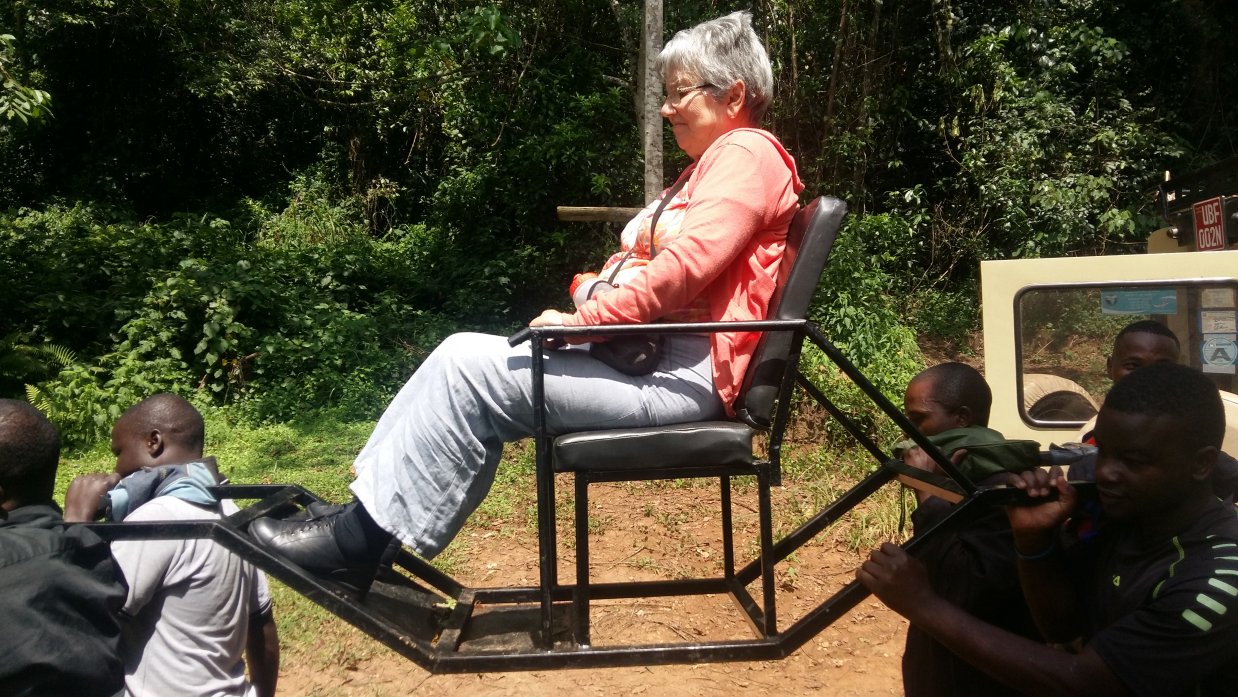
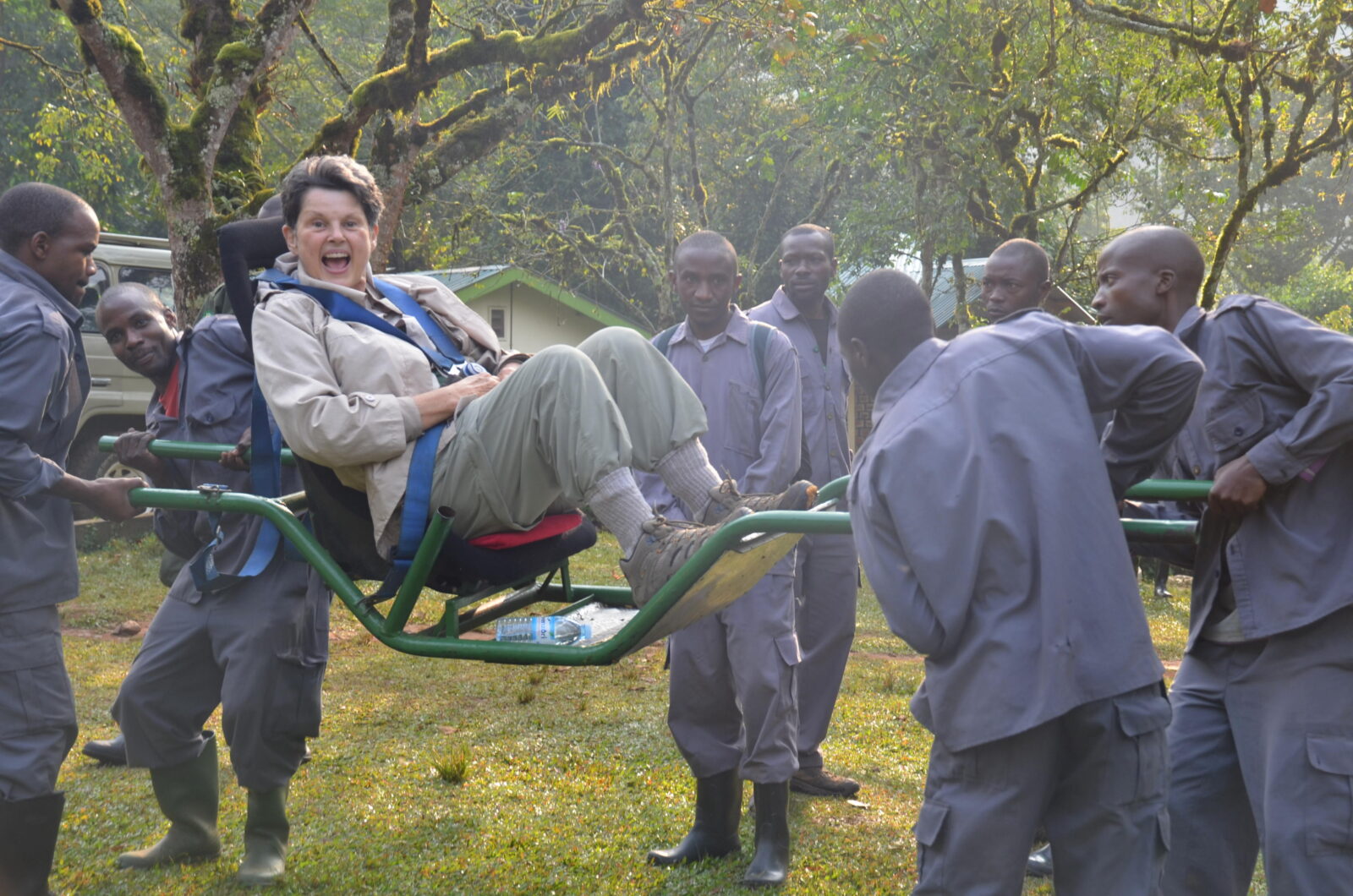
However, evacuation from deep forest terrain takes time, so self-management is critical.
Safer Participation Strategies
For individuals with mild asthma who are cleared for trekking, safety can be improved by:
Pre-conditioning through light aerobic training before travel
Practicing uphill walking or stair climbing
Avoiding trekking when unwell or fatigued
Informing guides about the condition before the trek begins
Final Perspective
Gorilla trekking with asthma in Bwindi Impenetrable National Park and Mgahinga Gorilla National Park can be safe for individuals with well-controlled, mild conditions, provided proper medical preparation and trekking discipline are followed.
However, the combination of physical exertion, humidity, elevation changes, and long trekking durations makes careful risk assessment essential.
With the right medication, pacing strategy, and fitness preparation, many asthma patients can still experience gorilla trekking safely. For those with severe or uncontrolled conditions, medical advice may recommend alternative wildlife experiences that do not involve strenuous forest hiking.
Ultimately, safety depends on individual health status, preparation, and responsible decision-making before entering the forest environment.