
Ugenda Gorilla Family Rwanda: The Nomadic Group Explained
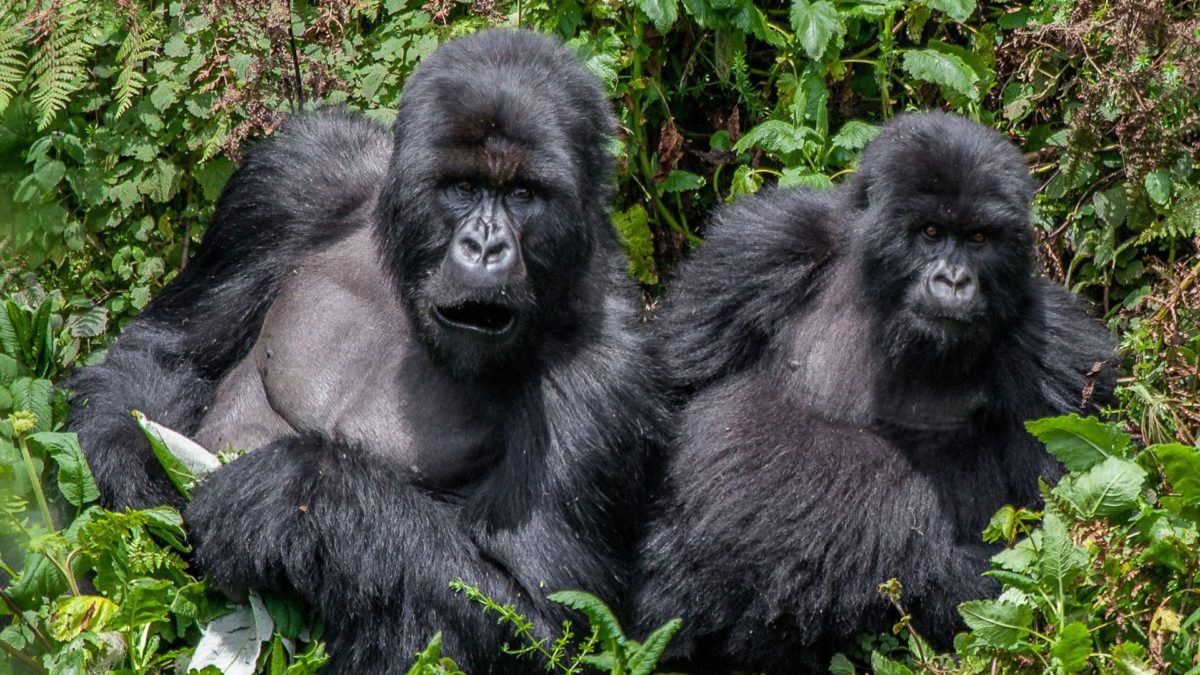
In the shifting volcanic forests of Volcanoes National Park, where bamboo slopes give way to dense Hagenia woodland and mist moves unpredictably across the Virunga range, the Ugenda gorilla family is known for one defining trait above all others: movement. The name “Ugenda” literally means “you are going” or “one who moves,” and it perfectly reflects the identity of this highly mobile and nomadic gorilla group.
Unlike more stable families that remain within defined home ranges, Ugenda is shaped by continuous relocation, making it one of the most dynamic trekking experiences in the park.
Meaning of “Ugenda”
The word Ugenda comes from Kinyarwanda and conveys the idea of movement, travel, or ongoing journey.
In the context of gorilla behavior, it captures:
Constant shifting between feeding areas
Frequent relocation across forest zones
A lifestyle built around adaptability
This name is not symbolic only-it directly describes the group’s ecological behavior in the wild.
Origin and Formation of the Ugenda Family
The Ugenda family formed through natural social dynamics common among mountain gorillas in the Virunga ecosystem.
A dominant silverback established the group by gathering females and juveniles from surrounding areas, gradually forming a cohesive unit. Over time, however, the group developed a tendency to move more frequently than most other families.
This mobility likely reflects a combination of:
Resource distribution across habitats
Historical movement patterns of the founding individuals
Adaptive behavior to changing forest conditions
As a result, Ugenda became known as a nomadic-style gorilla family.
Location in Volcanoes National Park
The Ugenda family ranges across multiple zones within Volcanoes National Park, often shifting between mid-altitude and higher forest areas.
Their movements can take them through:
Bamboo forests
Mixed Hagenia woodlands
Steep volcanic slopes
Dense, mist-covered rainforest sections
Unlike more stationary groups tied to specific trekking circuits, Ugenda’s location is less predictable.
Why They Are Called a “Nomadic Group”
Ugenda is described as nomadic because it does not remain in a fixed or easily predictable home range.
Instead, the group:
Travels frequently in search of food
Shifts between multiple forest zones
Avoids long-term settlement in one area
Adapts quickly to environmental conditions
This behavior is not random. It reflects survival strategy in a complex and resource-variable ecosystem.
For trackers, it means location updates are essential before each trek.
Trekking Experience to Ugenda
Trekking the Ugenda family is often more unpredictable than other gorilla groups in Volcanoes National Park.
Expect:
Variable trekking distances
Frequent changes in tracking direction
Mixed terrain including steep and muddy sections
Dense vegetation that can limit visibility
Because the group moves widely, some treks may be shorter while others require extended hiking across multiple forest zones.
This makes Ugenda one of the more adventurous trekking options in the park.
Group Structure and Composition
Despite its mobility, the Ugenda family maintains a stable internal social structure.
It typically includes:
A dominant silverback
Several adult females
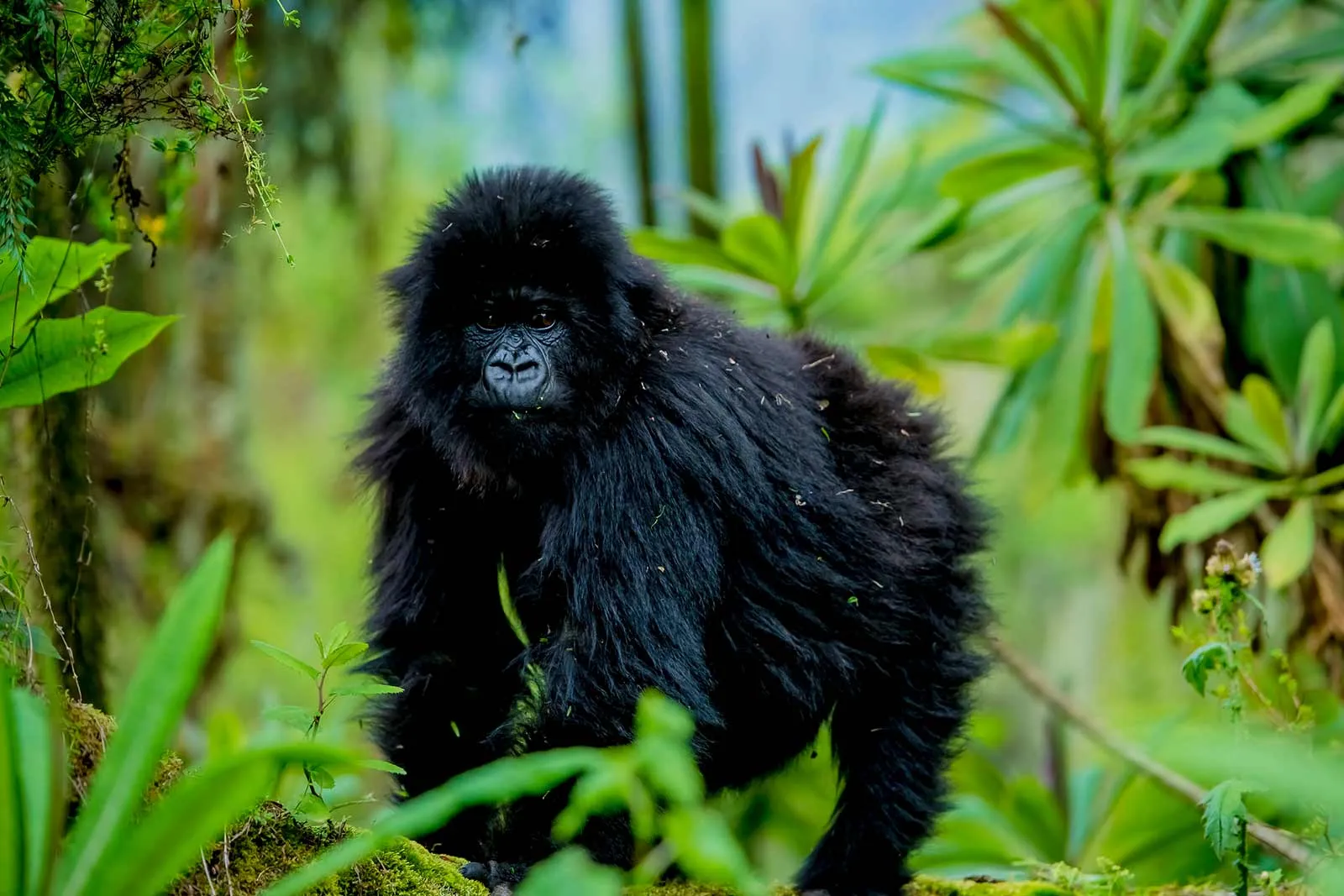
Juveniles
Infants
The group remains cohesive even during movement, with members staying closely connected as they travel across terrain.
This cohesion is essential for survival in a nomadic lifestyle.
Behavior and Social Dynamics
Ugenda’s behavior is defined by balance between movement and cohesion.
During a typical encounter, you may observe:
Coordinated movement through forest terrain
Short feeding stops followed by relocation
Females staying tightly grouped during travel
Juveniles engaging in play during rest periods
The silverback guiding direction and pace
Unlike more stationary groups, Ugenda’s activity is often transitional-focused on movement rather than prolonged rest.
The Role of the Silverback
The silverback in the Ugenda family plays a critical leadership role.
His responsibilities include:
Deciding movement direction
Protecting the group during long-distance travel
Maintaining cohesion across changing environments
Because the group is highly mobile, leadership requires constant decision-making and environmental awareness.
This makes the silverback central to the group’s survival strategy.
Photography Opportunities
Ugenda offers both rewarding and challenging photography conditions.
Advantages include:
Dynamic movement across landscapes
Opportunities for environmental storytelling
Varied backdrops due to shifting locations
Challenges include:
Unpredictable positioning of the group
Dense forest limiting visibility
Rapid movement requiring quick adjustments
Photographers who specialize in wildlife movement and narrative photography will find Ugenda particularly interesting.
Conservation Importance
As part of Volcanoes National Park, the Ugenda family contributes to Rwanda’s broader conservation success.
Its mobility provides valuable insights into:
Gorilla habitat use across different forest zones
Adaptation strategies in variable environments
Movement ecology within protected ecosystems
Tourism revenue from Ugenda treks supports:
Anti-poaching patrols
Habitat conservation
Community development programs
Comparing Ugenda with Other Volcanoes Families
Volcanoes National Park hosts several gorilla families, each with different behavioral patterns.
Some groups are known for:
Stable home ranges
Shorter trekking distances
Predictable locations
Ugenda stands out for:
High mobility and frequent relocation
Unpredictable trekking conditions
A nomadic lifestyle pattern
This makes it one of the most adventurous gorilla trekking experiences in Rwanda.
Who Should Choose the Ugenda Family
The Ugenda group is best suited for:
Experienced trekkers comfortable with variable conditions
Visitors seeking a more adventurous and unpredictable experience
Wildlife enthusiasts interested in movement ecology
Photographers focused on dynamic storytelling
It may be less suitable for those seeking short, easy, or highly predictable treks.
Rules and Responsible Trekking
As with all gorilla trekking experiences in Rwanda, strict conservation rules apply.
Visitors must:
Maintain a minimum distance of 7 meters
Limit viewing time to one hour
Follow ranger instructions at all times
Avoid trekking if unwell
Keep noise levels low
These guidelines ensure both gorilla safety and long-term sustainability of tourism.
The Experience in Perspective
Encountering the Ugenda family feels like following a moving system rather than a fixed destination.
The experience is shaped by anticipation and tracking, where the journey is as significant as the encounter itself. Unlike stationary groups, Ugenda creates a sense of pursuit across the forest landscape.
This makes the experience feel active, immersive, and exploratory.
The Ugenda Gorilla Family in Volcanoes National Park represents one of the most dynamic and unpredictable gorilla trekking experiences in the Virunga region.
Defined by its nomadic behavior, shaped by continuous movement, and guided by strong leadership, it offers a rare insight into how gorillas adapt to changing environments.
For visitors seeking adventure, variability, and a deeper understanding of gorilla movement patterns, Ugenda stands out as a truly distinctive choice.
It is not just a gorilla family.
It is a journey in motion through the forest.