
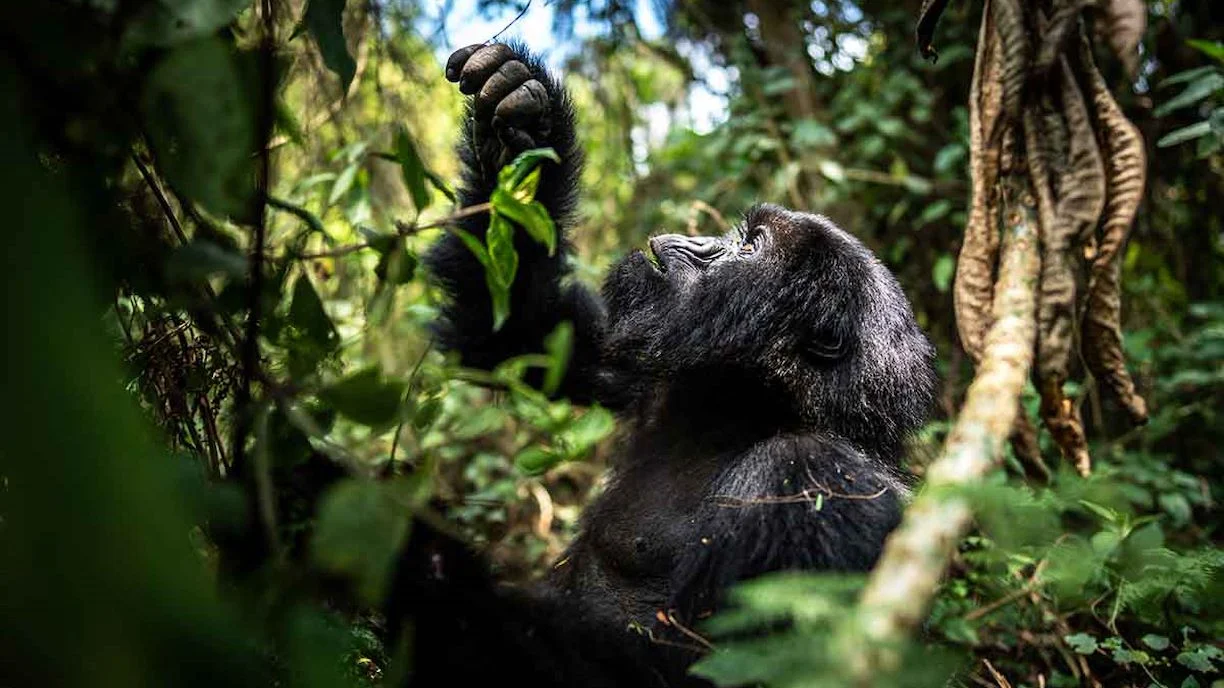
Gorilla Safaris Dry Season vs Wet Season: Which Is Better
Understanding How Seasons Shape Gorilla Trekking
Gorilla trekking in Uganda and Rwanda is possible all year round, but the experience changes noticeably depending on whether you visit during the dry season or the wet (rainy) season. These seasonal differences affect trekking conditions, forest accessibility, photography quality, crowd levels, and overall comfort.
What does not change is the gorilla encounter itself. Mountain gorillas remain in their natural habitat throughout the year, and every visitor still spends one hour with a habituated gorilla family under strict conservation rules.
The real decision is not about whether you will see gorillas, but how you want the journey to feel.
The Dry Season: Easier Trekking and More Predictable Conditions
The dry season is generally considered the most popular time for gorilla trekking. It usually brings more stable weather conditions with less rainfall, making forest trails more manageable and predictable.
During this period, trekking paths are less muddy and easier to navigate. Hikers experience better footing, reduced risk of slipping, and generally faster access to gorilla families depending on their location in the forest.
Visibility in the forest can also improve slightly because there is less rain interfering with movement and trail conditions. This makes the trekking experience more physically comfortable for most travelers, especially those who are not used to hiking in dense tropical environments.
The dry season also tends to attract more tourists, which can make gorilla permit availability more competitive and lodges more fully booked. Planning in advance becomes essential during peak months.
The Wet Season: More Challenging but More Rewarding for Some Travelers
The wet season brings frequent rainfall, especially in forested and mountainous areas. Trails become muddy, slippery, and more physically demanding to navigate.
However, this season also transforms the forest into a lush, green, and highly atmospheric environment. Vegetation becomes denser and more vibrant, creating a dramatic rainforest setting that many photographers and nature lovers find incredibly rewarding.
Trekking during the wet season can feel more adventurous and immersive because of the natural challenges involved. The forest is quieter, and visitor numbers are generally lower, which can create a more exclusive and peaceful experience.
Gorilla families also tend to be surrounded by richer vegetation during this time, which enhances the feeling of being deep within untouched wilderness.
Trekking Difficulty: Dry vs Wet Conditions
In the dry season, trekking is typically easier on the body. Trails are firmer, hiking conditions are more predictable, and overall physical strain is reduced. This makes it a preferred option for older travelers or those with moderate fitness levels.
In the wet season, trekking becomes more physically demanding. Muddy slopes, wet vegetation, and unpredictable trail conditions require more stamina and careful movement. Proper hiking boots and rain gear become essential.
However, experienced hikers or adventure-focused travelers often enjoy the extra challenge because it adds a sense of accomplishment to the experience.
Wildlife Viewing Experience
The actual gorilla encounter remains consistent across both seasons. Gorilla behavior does not change significantly, and families are still located with the help of trackers regardless of weather conditions.
What changes is the surrounding environment. In the dry season, vegetation may be slightly thinner in some areas, which can make viewing a bit clearer in certain situations.
In the wet season, dense vegetation creates a more enclosed and atmospheric setting. While visibility may sometimes be slightly reduced, the experience often feels more wild and immersive.
Photography Differences
Photography conditions vary significantly between seasons.
The dry season generally offers more stable lighting conditions and less rain interference. This can make it easier to capture sharp images, especially during longer trekking sessions.
The wet season, however, offers richer colors, dramatic mist, and lush green backgrounds. Forest photography during this time can produce highly atmospheric and visually striking images, although equipment must be protected from rain and humidity.
Photographers often choose based on style preference rather than convenience: dry season for clarity and control, wet season for mood and atmosphere.
Crowds and Safari Atmosphere
The dry season is the peak tourist period for gorilla trekking. More visitors travel during this time, which can make lodges busier and trekking groups more fully booked.
Despite this, gorilla trekking groups remain small by design, so encounters with gorillas themselves are never overcrowded.
The wet season generally sees fewer tourists. This creates a quieter, more exclusive atmosphere both in lodges and at trekking briefing points. Travelers who prefer solitude and less commercial pressure often enjoy this period more.
Cost Differences
Gorilla permit prices remain the same throughout the year, but overall safari costs can sometimes be lower during the wet season.
Some lodges and safari operators offer discounted rates during low-season months to attract travelers. This can make wet-season safaris more budget-friendly overall, even though the gorilla permit itself does not change.
Dry season travel, especially during peak months, often comes with higher demand for accommodation and transport, which can increase total safari costs.
Road Conditions and Accessibility
During the dry season, roads leading to gorilla parks are generally easier to navigate. Transfers between cities, national parks, and lodges are smoother and faster.
In the wet season, some rural roads can become muddy or more challenging, potentially increasing travel time. However, experienced safari operators are well-equipped with 4×4 vehicles designed for these conditions.
Which Season Is Better for First-Time Visitors?
First-time gorilla trekkers often prefer the dry season because it offers more predictable weather, easier trekking conditions, and less logistical uncertainty.
It provides a more comfortable introduction to rainforest trekking and is especially suitable for travelers who are not used to hiking in tropical environments.
However, the wet season can also be rewarding for first-time visitors who are open to adventure and want a more dramatic rainforest experience with fewer crowds.
Which Season Offers the Best Experience Overall?
There is no single “best” season because both dry and wet seasons offer distinct advantages.
The dry season is better for:
Easier trekking conditions, more predictable weather, and higher comfort levels.
The wet season is better for:
Lush scenery, fewer crowds, lower overall costs, and a more immersive rainforest atmosphere.
Gorilla safaris in Uganda and Rwanda are exceptional year-round experiences, but the season you choose significantly influences how the journey feels.
The dry season provides comfort, accessibility, and predictability, making it ideal for most first-time travelers. The wet season offers atmosphere, solitude, and dramatic rainforest beauty for those seeking a more adventurous and immersive experience.
Ultimately, the gorillas remain the same in both seasons. The difference lies in the environment you choose to experience them in and the kind of safari story you want to take home.