
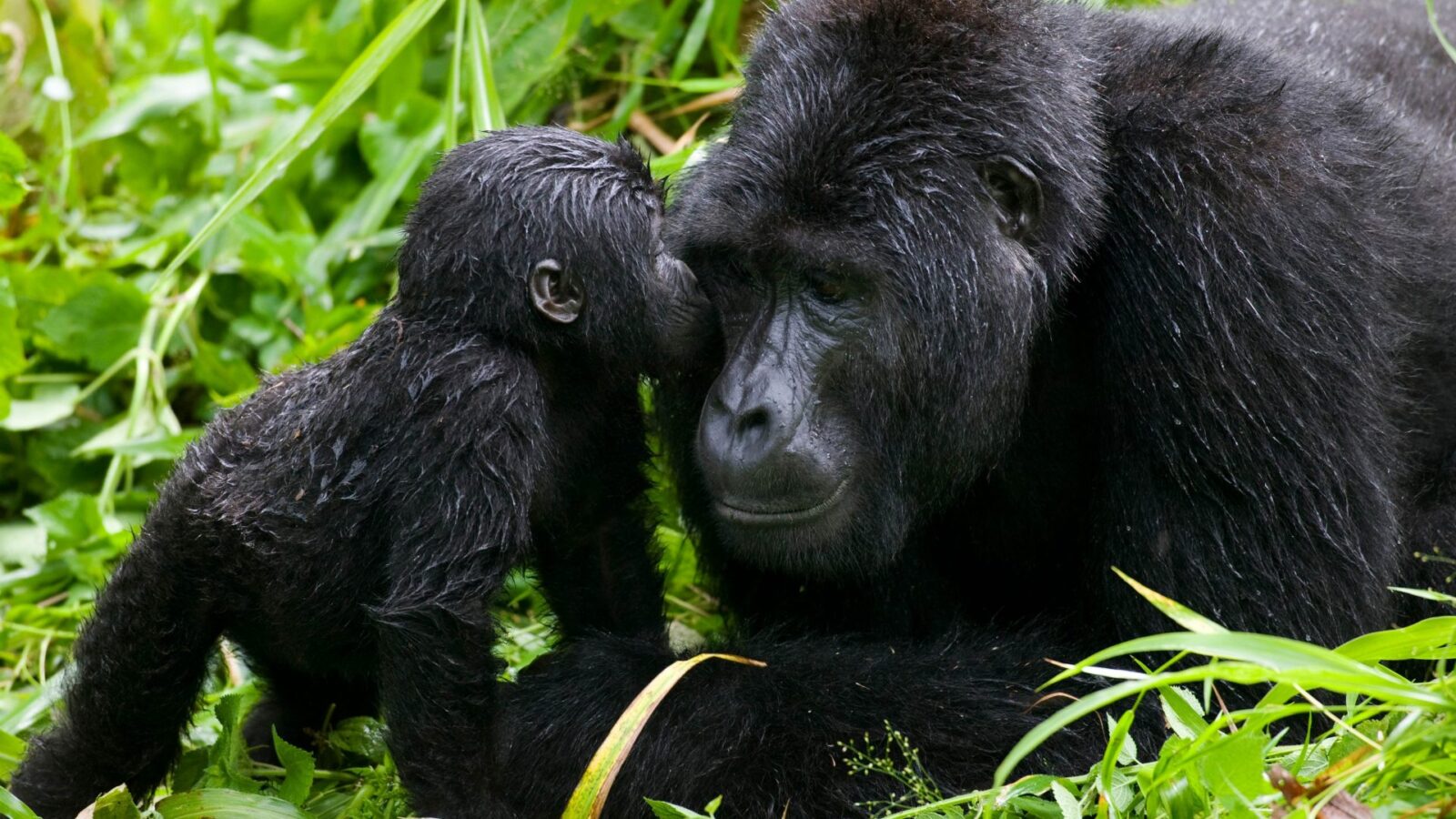
Gorilla Safaris 3 Days vs 5 Days: Does Longer Mean Better
Understanding What You Are Really Comparing
When travelers plan a gorilla trekking safari in Uganda or Rwanda, one of the most common questions is whether a 3-day itinerary is enough or if a 5-day safari is better.
At first glance, it may seem like more days automatically means a better experience. In reality, gorilla trekking itself only takes one day. The difference between 3 and 5 days is not about more gorilla time, but about how much depth, comfort, and additional experiences you want around that single encounter.
Both itineraries can deliver the same core highlight: an hour with mountain gorillas in their natural habitat. Everything else depends on how you want to structure your journey.
What a 3-Day Gorilla Safari Looks Like
A 3-day gorilla safari is designed for efficiency. It focuses on getting you to the gorillas quickly and returning without unnecessary extensions.
Typically, the first day is spent traveling from a major city or airport to the gorilla trekking region. The second day is the main trekking day, where you hike through forest terrain to meet a gorilla family and spend one hour observing them. The third day is usually for return travel.
This type of itinerary is ideal for travelers with limited time who want a direct and focused wildlife experience.
The pace is faster, with less downtime and fewer additional activities. Accommodation is usually chosen for convenience rather than extended relaxation.
What a 5-Day Gorilla Safari Looks Like
A 5-day gorilla safari is more relaxed and immersive. Instead of rushing directly to the trekking experience, it spreads the journey over more time, allowing for a deeper exploration of the region.
The additional days can include extra activities such as cultural visits, forest walks, scenic lake visits, or even an additional gorilla trek in some cases depending on permits and planning.
Travel time is less rushed, and there is more opportunity to enjoy the landscapes, photography, and lodge experience.
A 5-day itinerary often includes more comfortable pacing, allowing travelers to recover after trekking and enjoy the surrounding environment without pressure.
Trekking Experience: The Same for Both
Whether you choose 3 days or 5 days, the gorilla trekking experience itself does not change.
All trekkers:
- Follow the same ranger-guided system
- Are assigned gorilla families by park authorities
- Spend one hour with the gorillas
- Experience the same conservation rules and protection protocols
There is no advantage in gorilla viewing quality based on itinerary length.
The gorilla encounter is equal for everyone.
Travel Fatigue and Comfort Levels
One of the biggest differences between the two itineraries is travel fatigue.
A 3-day safari is more condensed, which means more time is spent on road transfers relative to the total trip length. This can feel intense, especially for travelers coming from long-haul international flights.
A 5-day safari reduces this pressure by spreading travel time across a longer period. There is more rest between activities, and the journey feels less rushed.
For some travelers, especially those not used to long road travel in East Africa, the extra days significantly improve comfort.
Additional Experiences Beyond Gorillas
A 3-day safari is highly focused. It rarely includes additional activities beyond travel and trekking.
A 5-day safari creates room for extra experiences such as:
- Cultural village visits
- Scenic crater lake tours
- Nature walks around the forest edge
- Relaxation time at lodges
- Birdwatching or photography excursions
- Optional second gorilla trek (where permits allow)
These additions do not replace gorilla trekking but enhance the overall safari experience.
Photography and Wildlife Observation
Photographers often benefit from longer itineraries because a 5-day safari allows more time for preparation, equipment handling, and flexible scheduling.
A slower pace means better opportunities to plan trekking conditions, rest after physically demanding hikes, and take advantage of different lighting or environmental conditions in the region.
A 3-day safari can still produce excellent photography results, but it requires tighter scheduling and less flexibility.
Cost Differences
A 3-day safari is more cost-efficient because it includes fewer nights in lodges and shorter overall logistics.
A 5-day safari is more expensive because of additional accommodation, meals, guiding services, and transport days.
However, the gorilla permit cost remains the same in both cases. The price difference comes entirely from the extra days spent in the destination.
Travelers are essentially paying for comfort, time, and additional experiences rather than a different wildlife encounter.
Which Itinerary Feels More Relaxed?
A 5-day safari is significantly more relaxed. It allows travelers to slow down, enjoy the landscape, and avoid feeling rushed between arrival and trekking.
A 3-day safari feels more intense and focused. It is efficient but can feel compressed, especially for long-distance travelers.
The sense of relaxation depends on whether you prefer fast, purpose-driven travel or slower, experience-rich journeys.
Who Should Choose a 3-Day Safari?
A 3-day safari is ideal for:
Travelers with limited time
Budget-conscious visitors
People combining gorillas with other fast-paced East Africa itineraries
Those who want a focused wildlife experience without extra activities
It is a practical choice for efficiently reaching the main highlight: the gorillas.
Who Should Choose a 5-Day Safari?
A 5-day safari is ideal for:
First-time Africa travelers
Photographers
Couples and honeymooners
Travelers who prefer slower travel pacing
Visitors wanting cultural or scenic add-ons
Anyone who wants a more immersive regional experience
It suits travelers who value depth over speed.
Does Longer Always Mean Better?
Not necessarily.
Longer itineraries offer more comfort, flexibility, and optional activities, but they do not improve the actual gorilla trekking experience.
A 3-day safari delivers the same core wildlife encounter in a shorter timeframe. A 5-day safari enhances the journey around it.
The value of “longer” depends entirely on what you want:
If you want efficiency, shorter is better.
If you want immersion, longer is better.
The difference between a 3-day and 5-day gorilla safari is not about the gorillas themselves but about how much time you want to spend experiencing the surrounding journey.
Both options lead to the same unforgettable moment of standing face-to-face with mountain gorillas in the wild. A 3-day safari delivers that experience quickly and efficiently, while a 5-day safari allows you to slow down, explore more, and enjoy a richer overall travel experience.
Longer does not automatically mean better. It simply means more space to experience Africa beyond the gorillas themselves.