
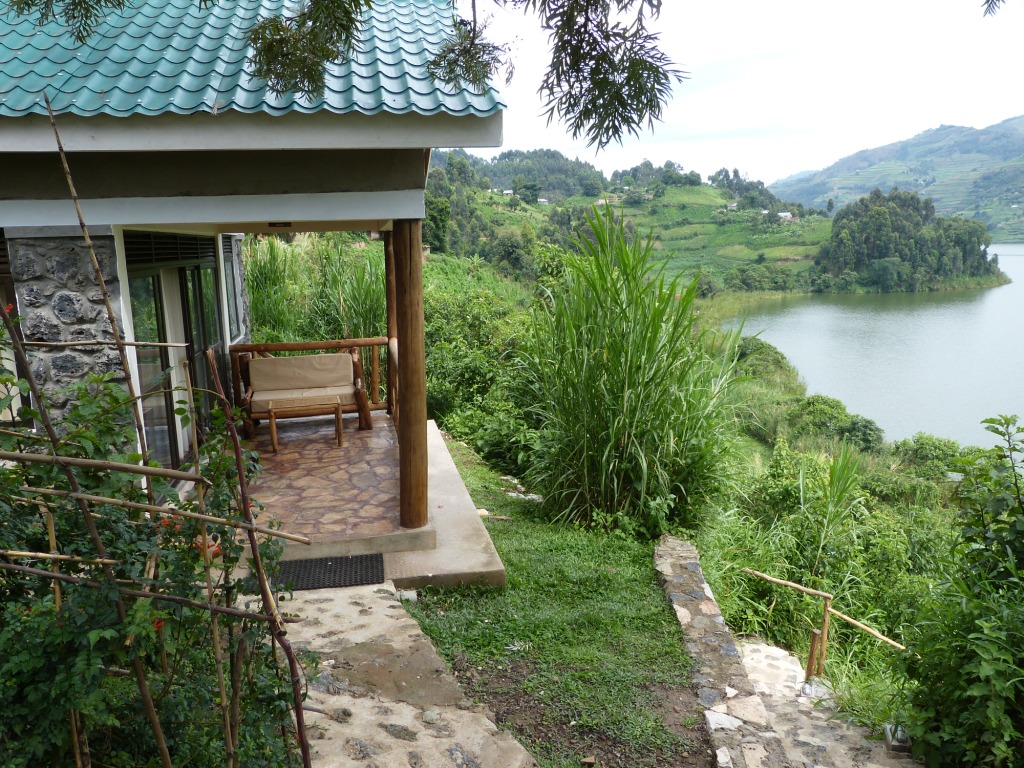
Gorilla Safaris Camp vs Lodge: Which Accommodation Is Best
Understanding the Real Difference
When planning a gorilla safari in Uganda or Rwanda, travelers often see two main accommodation styles: safari camps and safari lodges. At first glance they may seem similar, but they actually create very different experiences in terms of comfort, atmosphere, and closeness to nature.
The key point is this: both camps and lodges can range from budget to ultra-luxury. The difference is not strictly about price, but about structure, design, and how you experience the environment around you.
Both options are used widely around Bwindi Impenetrable National Park and Mgahinga Gorilla National Park, and both place you close to the gorilla trekking start points.
What a Safari Lodge Really Is
A safari lodge is a permanent building made from solid materials such as stone, wood, or brick. It feels more like a boutique hotel located inside or near a natural environment.
Lodges are designed for comfort and stability. They usually offer private rooms or cottages with solid walls, proper bathrooms, and consistent facilities like hot showers, electricity, and dining areas. Many also include extras such as fireplaces, spas, lounges, and viewing decks overlooking forests or volcanoes.
In gorilla trekking regions, lodges are often positioned on hillsides or forest edges to give guests scenic views and easy access to trekking points.
A lodge experience tends to feel structured, predictable, and comfortable, especially after a long day of trekking in muddy forest conditions.
What a Safari Camp Really Is
A safari camp is usually made up of tented structures, although these tents can range from very simple setups to highly luxurious canvas suites with wooden floors and private bathrooms.
Camps are designed to feel closer to nature. Even when they are luxurious, they often maintain an “outdoors immersion” style where you hear the forest at night and feel more directly connected to the environment.
Some camps are semi-permanent and built on wooden platforms, while others are mobile or seasonal. Compared to lodges, camps usually feel more adventurous and less formal.
In gorilla trekking areas, camps are often located very close to the forest, giving a stronger sense of wilderness immersion.
Comfort Comparison: Camp vs Lodge
Lodges generally offer higher physical comfort. You get solid walls, quieter interiors, better insulation from weather, and more consistent facilities. They are especially appealing after long gorilla treks because you can fully relax in a stable, hotel-like environment.
Camps, while sometimes equally luxurious, usually feel more natural and atmospheric. Even high-end camps may have canvas walls, which means you remain more connected to outdoor sounds, temperature changes, and wildlife activity around the camp.
If comfort and stability are your priority, lodges usually feel better. If immersion and atmosphere matter more, camps often win.
Atmosphere and Experience Differences
Lodges feel structured, calm, and refined. They are ideal for travelers who want relaxation, privacy, and predictable comfort after physically demanding treks.
Camps feel more adventurous and intimate with nature. The experience often includes sounds of the forest at night, open-air dining, and a stronger sense of wilderness living.
In gorilla regions like Bwindi, lodges may feel like a retreat, while camps feel like part of the jungle itself.
Location and Access to Gorilla Trekking
Both camps and lodges are usually located near gorilla trekking sectors, but camps are often positioned slightly closer to the forest boundary for a more immersive experience.
Lodges are sometimes built on elevated viewpoints or more stable terrain, offering scenic vistas and easier infrastructure access.
In practice, both types usually allow quick access to trekking briefing points, so location differences are usually minor in terms of actual gorilla trekking logistics.
Cost Differences
Camps can sometimes be more affordable at the budget level, but luxury tented camps can also be extremely expensive depending on design and exclusivity.
Lodges often cover a wider range of pricing, from mid-range to high-end luxury properties.
In many gorilla destinations, price is more influenced by comfort level and brand quality than by whether the property is a camp or lodge.
Which One Feels Better After Gorilla Trekking?
After a long gorilla trek, which can involve steep slopes, mud, and several hours of hiking, many travelers prefer lodges because of their solid comfort, hot showers, and quiet rooms.
However, some travelers prefer returning to a camp because it feels more in tune with the wilderness experience they just had in the forest.
If your focus is recovery and comfort, a lodge is usually better. If your focus is continuing the wilderness immersion, a camp can feel more rewarding.
Privacy and Exclusivity
Luxury lodges often provide more privacy with separate cottages, wider spacing, and quieter environments.
Luxury camps also offer privacy but tend to feel more open due to canvas structures and shared outdoor spaces.
For honeymooners or travelers seeking seclusion, lodges often feel slightly more private, although high-end camps can match this depending on design.
Wildlife Atmosphere
Camps tend to offer a stronger “wild” atmosphere because of their canvas structure and closer integration with nature. You may hear forest sounds more clearly at night.
Lodges provide more separation from the environment, which some travelers prefer for comfort and rest.
Neither option improves gorilla sightings, but they change how you experience the environment around the trek.
Which One Is Better Overall?
There is no universal winner because both camps and lodges serve different travel styles.
Lodges are better for:
Comfort, stability, privacy, post-trek relaxation, and travelers who prefer hotel-style amenities in the wilderness.
Camps are better for:
Immersion, adventure atmosphere, closeness to nature, and a more authentic safari feel.
The difference between gorilla safari camps and lodges is not about the gorillas themselves but about how you experience everything surrounding the trek.
Lodges offer comfort, structure, and relaxation after demanding hikes. Camps offer atmosphere, immersion, and a deeper connection to the natural environment.
Both can deliver excellent gorilla safari experiences, and the best choice depends on whether you value comfort or wilderness immersion more in your overall journey.