
What Is a Gorilla Safari? Complete Beginner’s Answer
Understanding the Concept of a Gorilla Safari
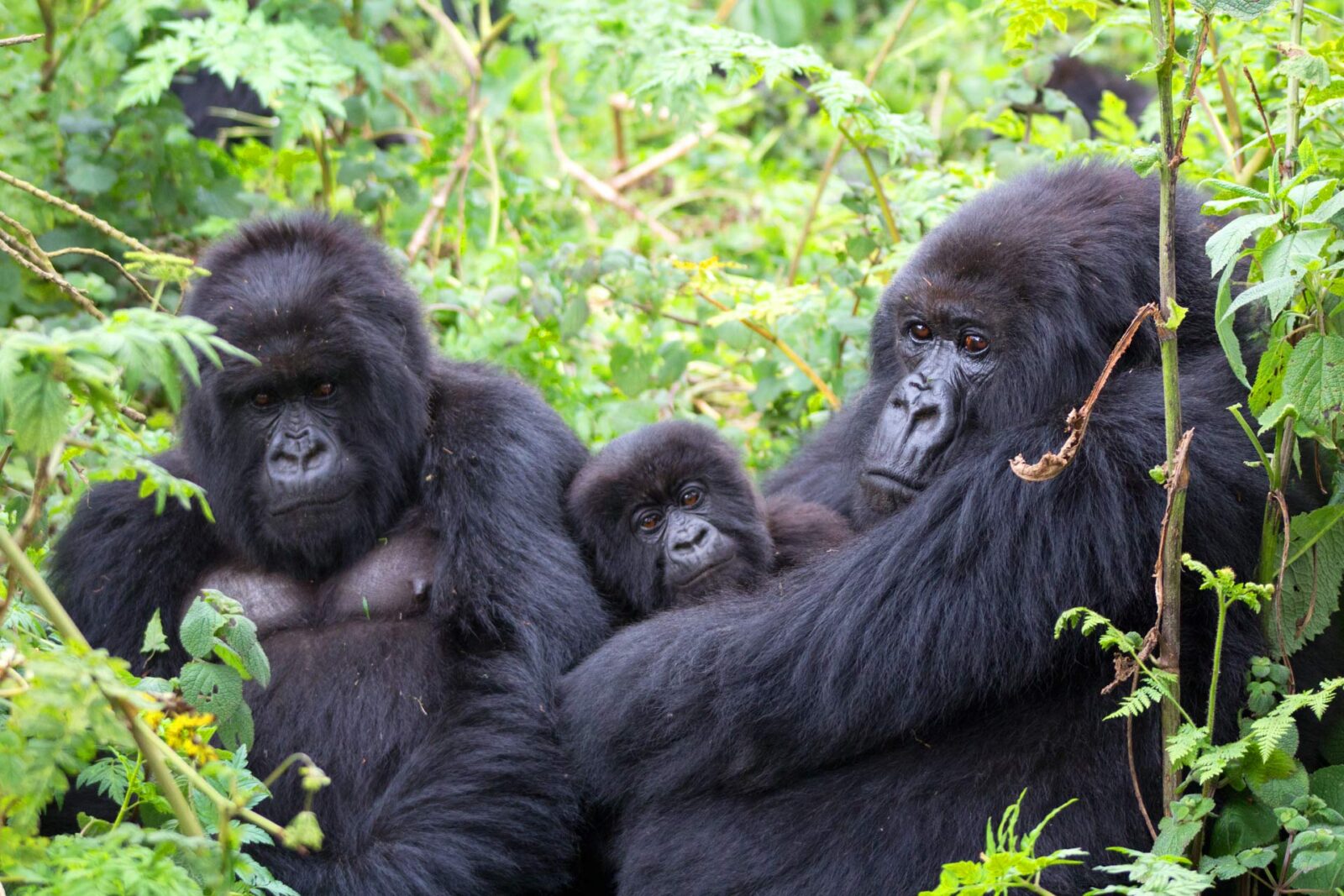
A gorilla safari is a guided wildlife experience where travelers trek through tropical forests in East Africa to observe wild mountain gorillas in their natural habitat. It is one of the rarest wildlife encounters in the world because mountain gorillas exist only in a few protected regions across Uganda, Rwanda, and the Democratic Republic of Congo.
Unlike typical game drives where animals are seen from vehicles, gorilla safaris involve hiking on foot through dense rainforest terrain. The goal is to locate a habituated gorilla family that is accustomed to human presence and spend a carefully regulated one hour observing them.
This experience is highly controlled, conservation-focused, and designed to protect both visitors and the endangered gorillas.
Where Gorilla Safaris Take Place
Gorilla safaris happen in specific national parks located within the Virunga ecosystem and the Bwindi rainforest region.
In Uganda, the main destinations are Bwindi Impenetrable National Park and Mgahinga Gorilla National Park. Bwindi is home to the largest population of mountain gorillas in the world, while Mgahinga offers a smaller but equally valuable trekking experience in a volcanic landscape.
In Rwanda, gorilla trekking takes place in Volcanoes National Park, known for its scenic volcanic mountains and relatively easier access from Kigali.
In the Democratic Republic of Congo, gorilla trekking is available in Virunga National Park and Kahuzi-Biega National Park, although travel conditions can be more complex depending on regional stability.
How a Gorilla Safari Works Step by Step
A gorilla safari usually begins very early in the morning with a briefing at a park headquarters. Travelers are grouped into small teams and assigned a specific gorilla family to track.
Park rangers and trackers then lead the group into the forest. The trekking duration can vary from under one hour to several hours depending on where the gorillas are located that day.
Once the gorilla family is found, visitors are allowed exactly one hour to observe them. During this time, travelers can watch them feed, play, rest, and interact socially.
After the hour ends, visitors carefully exit the area and return to the starting point.
What Makes Gorilla Safaris Unique
Gorilla safaris are unique because they offer one of the closest possible encounters with wild primates in their natural environment. Mountain gorillas share about 98 percent of human DNA, which makes the experience emotionally powerful and deeply memorable.
Unlike zoo experiences, gorillas are completely wild and free. There are no enclosures, and their behavior is natural and unpredictable.
The encounter often feels quiet, intense, and respectful because visitors are in the gorillas’ territory rather than the other way around.
Physical Nature of the Experience
A gorilla safari is not a passive activity. It requires hiking through forest terrain, which can include steep slopes, mud, thick vegetation, and changing weather conditions.
The difficulty level varies depending on the gorilla family’s location on the day of the trek. Some treks are relatively short and easy, while others may require several hours of hiking.
Basic fitness is recommended, but most people with moderate health levels can complete the experience with the help of guides and porters.
Safety and Conservation Rules
Gorilla safaris are strictly regulated to protect both visitors and gorillas.
Key rules include maintaining a safe distance from the animals, limiting viewing time to one hour, and ensuring visitors are healthy before entering the forest.
Rangers accompany every group to ensure safety and to guide behavior around the gorillas. These rules are essential for preventing disease transmission and minimizing disturbance to the animals.
What You See During a Gorilla Safari
During the encounter, visitors typically observe gorilla families engaging in natural behaviors such as feeding on vegetation, grooming each other, resting, playing, and caring for infants.
Silverbacks, which are dominant adult males, often appear calm but protective, while younger gorillas tend to be more playful and curious.
The experience is often described as emotional because of how human-like their behavior appears in close proximity.
When to Go on a Gorilla Safari
Gorilla safaris take place all year round, but conditions vary depending on the season.
Dry seasons generally offer easier trekking conditions with less mud and more stable hiking paths. Wet seasons bring lush green forests and fewer tourists but can make trekking more physically demanding.
The gorillas remain present throughout the year, so sightings are consistent regardless of season.
Who Can Go on a Gorilla Safari
Gorilla safaris are open to most travelers, but participants must be at least 15 years old due to safety and conservation regulations.
The experience is suitable for nature lovers, photographers, adventure travelers, and anyone interested in wildlife conservation.
It does not require technical climbing skills, but a reasonable level of physical fitness is helpful.
Why Gorilla Safaris Matter for Conservation
Gorilla safaris play a major role in protecting endangered mountain gorillas. Revenue from permits directly supports conservation programs, anti-poaching efforts, and local community development around national parks.
Tourism has been one of the key reasons why mountain gorilla populations have slowly increased in recent decades, making gorilla trekking an example of successful wildlife conservation through responsible tourism.
A gorilla safari is a guided trekking experience into East Africa’s tropical forests to observe wild mountain gorillas in their natural habitat. It combines adventure, conservation, and rare wildlife interaction in one of the most controlled and meaningful tourism experiences in the world.
It is not a simple sightseeing tour but a physically engaging and emotionally powerful journey that brings humans face-to-face with one of their closest living relatives in the animal kingdom.