
Can Children Go on a Gorilla Safari? Age Restrictions Explained
Understanding the Basic Rule
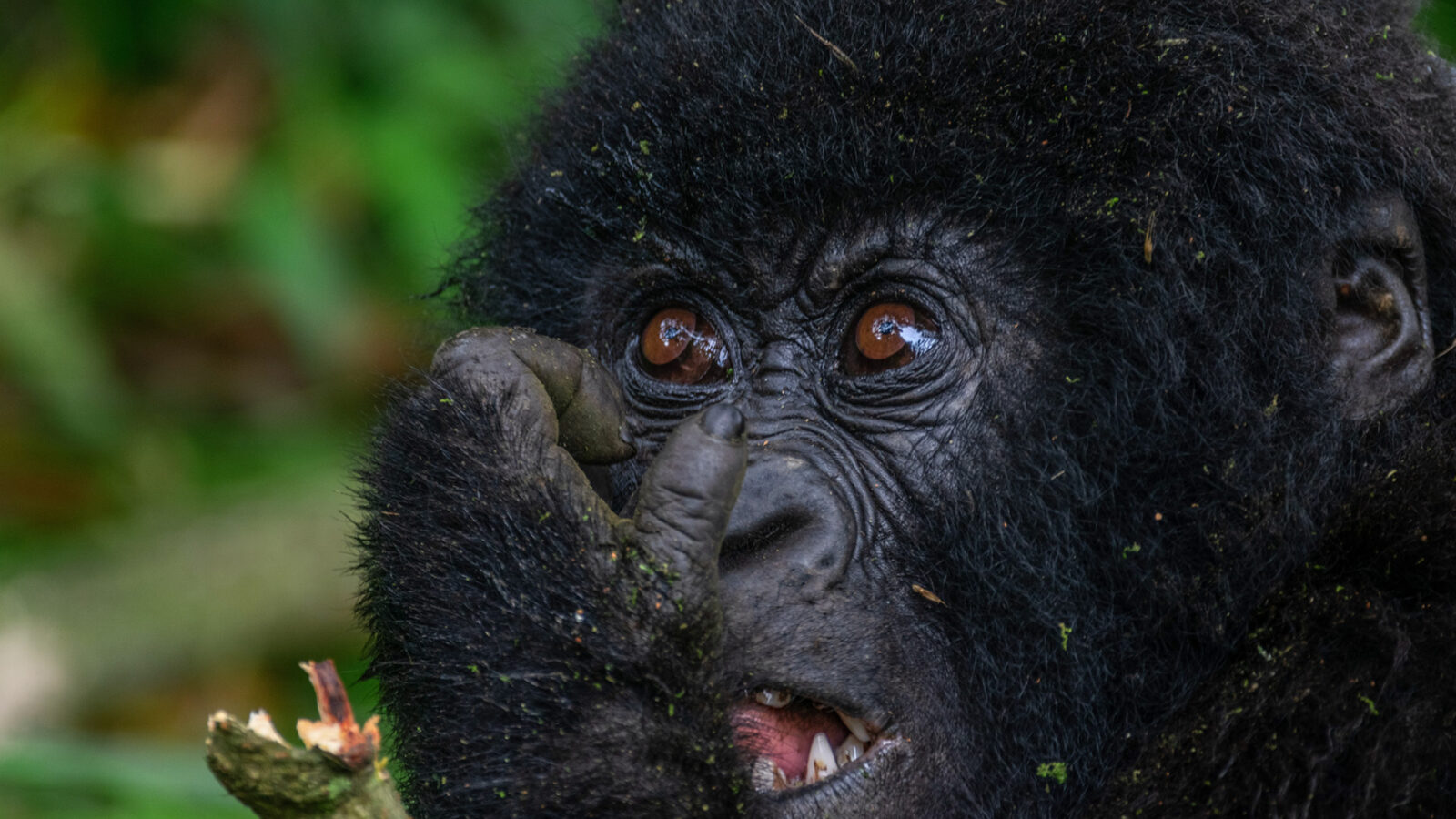
Gorilla trekking in Uganda, Rwanda, and the Democratic Republic of Congo has a clear and strictly enforced age restriction. Children under the age of 15 are not allowed to participate in gorilla safaris.
This rule is not flexible in normal circumstances and applies across all official national parks where mountain gorilla trekking takes place. Whether you are visiting Bwindi Impenetrable National Park, Mgahinga Gorilla National Park, or Volcanoes National Park, the minimum age requirement remains the same.
This means that gorilla safaris are primarily designed for teenagers and adults rather than young children.
Why There Is an Age Limit
The age restriction is not arbitrary. It exists for a combination of safety, conservation, and practical reasons related to the nature of the experience.
Gorilla trekking involves hiking through dense rainforest terrain, often on steep, muddy, and uneven ground. Treks can last anywhere from one hour to several hours depending on the location of the gorilla family. This level of physical endurance is often too demanding for younger children.
The forest environment itself is also unpredictable. Conditions can change quickly due to rain, and the terrain requires focus, stamina, and the ability to follow strict ranger instructions for long periods.
Safety Considerations for Children
Safety is one of the most important reasons behind the age restriction. While mountain gorillas are generally calm and habituated to humans, they are still powerful wild animals.
During a trek, visitors must follow strict behavioral rules such as maintaining silence, moving carefully, and responding instantly to ranger instructions. Younger children may find it difficult to consistently follow these rules in a high-pressure wildlife situation.
There is also the physical safety aspect. Slips, falls, and fatigue are more likely in forest terrain, especially during wet conditions. Rangers need to ensure that all participants can safely complete the trek without requiring additional assistance that may disrupt the group or increase risk.
Conservation and Behavioral Reasons
Another important factor is conservation sensitivity.
Mountain gorillas are highly susceptible to human diseases due to their genetic similarity to humans. Strict discipline is required during encounters to reduce stress and avoid transmission risks.
Children, especially younger ones, may find it difficult to remain completely still, quiet, and disciplined for the required one-hour observation period. Sudden movements or loud sounds could potentially disturb the gorillas or affect the quality of the encounter.
For this reason, park authorities prioritize visitors who can fully comply with conservation protocols.
Emotional and Psychological Factors
Gorilla trekking can be an intense emotional experience even for adults. Coming face-to-face with a silverback gorilla in dense forest surroundings can feel overwhelming, especially when animals move close or display strong presence behaviors.
Children may experience fear, anxiety, or difficulty processing the experience in a controlled manner. The rule helps ensure that all participants are emotionally prepared for the encounter.
Are There Any Exceptions?
In standard practice, the minimum age requirement of 15 years is strictly enforced, and exceptions are extremely rare.
Even in cases where a child is physically strong or experienced in hiking, park authorities typically do not allow exceptions due to conservation regulations and insurance policies tied to gorilla trekking permits.
Tour operators also adhere strictly to these rules because permits are issued under national wildlife authority guidelines.
What Families With Younger Children Can Do Instead
Families traveling with children under 15 are not excluded from gorilla safari regions, but alternative activities are recommended.
In Uganda and Rwanda, there are several child-friendly wildlife and nature experiences near gorilla parks. These may include nature walks around forest edges, cultural village visits, boat trips, crater lake tours, and guided birdwatching experiences.
Older children aged 15 and above can join gorilla trekking while younger siblings participate in these alternative activities, allowing families to still travel together without restrictions.
Why the Age Limit Actually Protects the Experience
Although the restriction may feel limiting for families, it plays a major role in protecting both visitors and gorillas.
It ensures that trekking groups are composed of individuals who can handle:
Physical endurance requirements
Strict ranger instructions
Wildlife safety protocols
Long periods of quiet observation
Unpredictable forest conditions
This contributes to the overall safety, smooth operation, and conservation success of gorilla tourism.
Children under 15 years of age are not permitted to participate in gorilla safaris in Uganda, Rwanda, or Congo. This rule is enforced to ensure safety, protect gorillas, and maintain the quality of the trekking experience.
While it may limit participation for younger children, it helps guarantee that gorilla trekking remains a safe, well-managed, and highly controlled wildlife encounter for all approved visitors.
Families with younger children can still enjoy rich safari experiences in gorilla regions through alternative activities, while older children and teenagers who meet the age requirement can take part in one of the most unforgettable wildlife adventures in the world.