
A Tiny Newcomer on the Savannah
The morning game drive had already delivered some incredible wildlife sightings. We had watched giraffes browsing among acacia trees, a family of warthogs disappearing into tall grass, and a distant elephant slowly making its way towards a river.
Then our guide stopped the vehicle and pointed quietly across the plain.
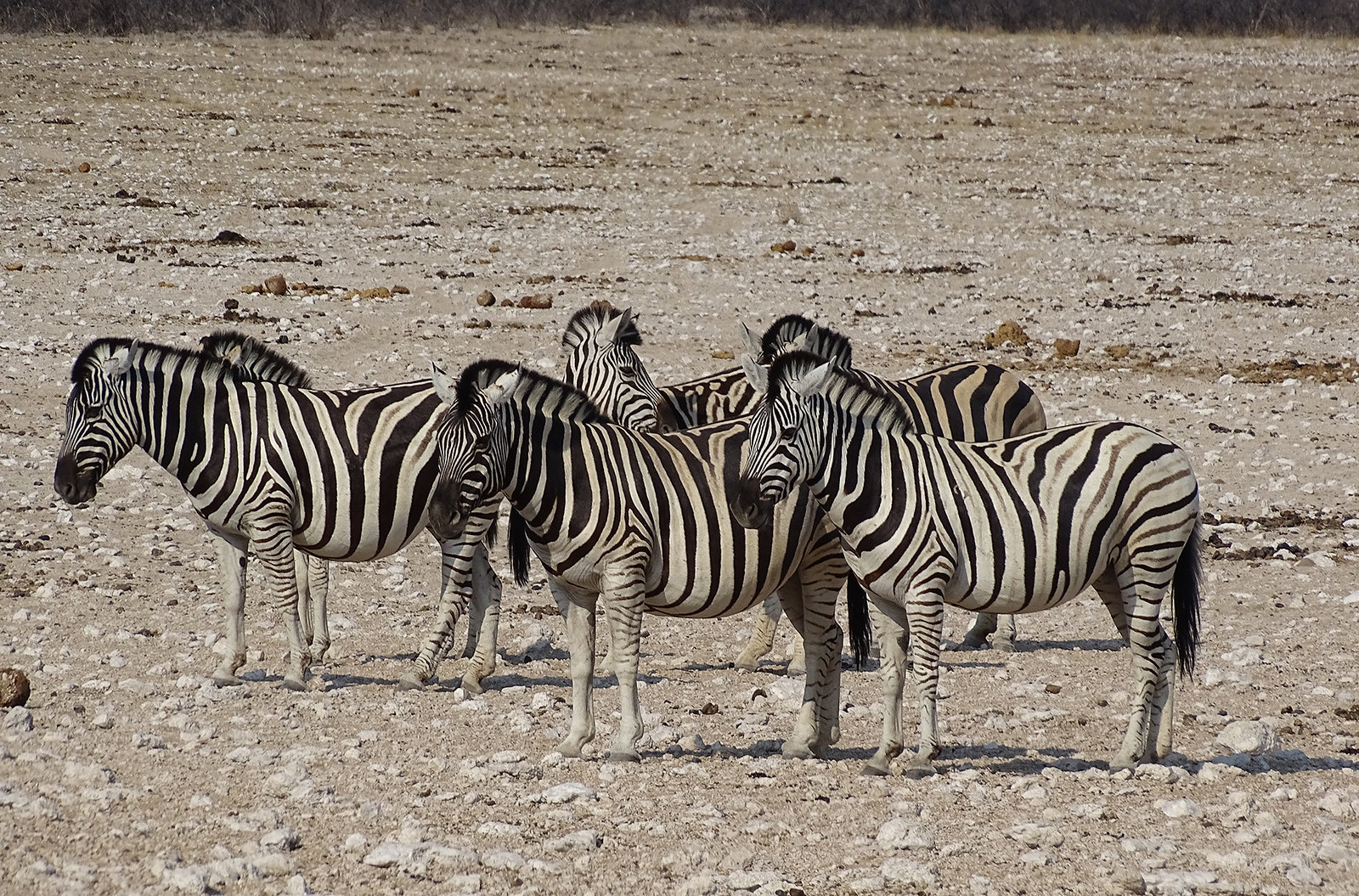
A small herd of zebras was grazing in the soft morning light. Among them was a young foal that looked only a few weeks old. Its brownish stripes had not yet turned the bold black and white colours of an adult, and its legs looked almost too long for its small body.
What caught my attention most was that it never wandered more than a few steps from its mother.
It stayed so close that it almost seemed to be walking in her shadow.
A Bond That Begins at Birth
Unlike many young animals, zebra foals can stand within minutes of being born.
Within an hour, they are usually able to walk, and before long they can run alongside the herd if danger appears. This ability is essential because predators do not wait for young animals to grow stronger.
During the first few days of life, a mother zebra often keeps some distance from the rest of the herd. This quiet period allows her foal to memorise her unique stripe pattern, scent, and vocal calls before joining larger family groups.
This early recognition helps prevent confusion when dozens of nearly identical zebras gather together.
Never Far From Mum
As we watched, the foal copied everything its mother did.
When she lowered her head to graze, the foal attempted to nibble at the grass, even though it still depended mainly on milk. When she walked forward, it followed immediately. When she stopped and looked towards a distant sound, the foal froze beside her.
It was clear that every movement was part of a lesson.
Young zebras learn by observing. Their mothers teach them where to feed, when to move, how to recognise danger, and how to stay safely within the herd.
The close relationship is one of the strongest examples of parental care on the African plains.
Learning the Rules of Survival
Life for a zebra foal is full of challenges.
Lions, leopards, spotted hyenas, and African wild dogs all see young zebras as easier targets than healthy adults. Staying close to its mother greatly improves the foal’s chances of survival.
If danger approaches, the mare places herself between her foal and the threat whenever possible. Adult zebras have powerful kicks that can seriously injure predators, and mothers will defend their young with remarkable determination.
Even so, protection depends on staying close.
A foal that wanders too far from the herd quickly becomes vulnerable.
More Than Just Milk
Although zebra foals begin tasting grass after only a few weeks, milk remains their main source of nutrition during the early months of life.
As they grow stronger, they gradually spend more time grazing until they eventually rely entirely on vegetation.
During this period, young zebras also develop the strength and endurance needed to keep up with the herd during long walks between feeding grounds and water sources.
Every day becomes another lesson in survival.
The Importance of Family Groups
The herd surrounding the foal appeared calm, but every adult remained alert.
A stallion stood nearby, occasionally lifting his head to scan the open grassland. Other mares grazed together while their young stayed close beside them.
These family groups provide security that a single zebra could never achieve alone.
More eyes watching the surroundings mean predators are detected sooner. If danger appears, the herd reacts together, giving foals the best possible chance to escape.
Watching the adults work together showed that raising a young zebra is not just the responsibility of one mother. The entire family benefits from staying united.
Growing Into Those Famous Stripes
One surprising feature of the young foal was its colouring.
Instead of the crisp black and white pattern seen on adults, its stripes appeared brown and cream under the morning sunlight.
This is perfectly normal.
As zebra foals mature, their coat gradually changes until the familiar black and white stripes become more pronounced. Like adult zebras, every foal develops a completely unique stripe pattern that researchers can use to identify individuals throughout their lives.
No two zebras ever wear exactly the same design.
A Playground Full of Energy
After feeding for a while, the quiet little foal suddenly burst into action.
It ran several circles around its mother before chasing another young zebra across the grass. The two foals kicked up dust as they darted between adults, stopping only when their mothers called them back.
These playful moments are more important than they first appear.
Running, turning quickly, and changing direction help young zebras build the speed, coordination, and stamina they will one day need to escape predators.
Even play has a purpose in the wild.
Where You Can See Zebra Foals
Seeing young zebras is one of the highlights of many East African safaris, especially after the rainy seasons when many animals give birth.
In Uganda, zebra families can often be seen in Lake Mburo National Park and Kidepo Valley National Park.
Kenya offers excellent opportunities in the Maasai Mara National Reserve, Amboseli National Park, Tsavo East National Park, and Tsavo West National Park.
In Tanzania, Serengeti National Park, Tarangire National Park, Ruaha National Park, and the Ngorongoro Conservation Area are all outstanding places to observe zebra herds with playful foals.
Travelling during the calving season increases the chances of witnessing these memorable family moments.
Watching Without Disturbing
Responsible wildlife viewing is especially important when young animals are present.
Experienced safari guides keep a respectful distance, allowing mothers and foals to behave naturally without feeling threatened. Loud noises, sudden movements, or attempts to attract attention can cause unnecessary stress.
Remaining patient often leads to the best observations.
When animals feel comfortable, visitors are rewarded with authentic behaviour that cannot be staged or recreated.
A Lesson Hidden in a Shadow
As our vehicle prepared to leave, the little foal moved once again beside its mother.
Wherever she walked, it followed.
Wherever she stopped, it waited.
From a distance, it almost disappeared into her shadow.
That simple image stayed with me long after the safari ended. It was a reminder that life in the wild begins with trust, learning, and protection. Before a young zebra can explore the vast African plains on its own, it first learns every step by following the one animal that knows the journey best.
Sometimes the most touching safari memories are not dramatic predator encounters or massive wildlife migrations. Sometimes they are found in the quiet determination of a tiny foal that refuses to leave its mother’s side.