
The Hottest Part of the Day
By midday, the African savannah had changed completely.
The cool morning breeze had disappeared, replaced by dry, shimmering heat that rose from the dusty ground. The golden grass barely moved, and even the birds seemed quieter than they had been just a few hours earlier. Most predators had retreated into the shade, conserving their energy until evening. It was the kind of afternoon when every animal searched for the same thing.
Water.
Our safari guide pointed towards a small waterhole in the distance. It looked ordinary from afar, but he smiled and said, “Let’s wait.” In Africa, patience often brings the best wildlife encounters.
A Dust Cloud on the Horizon
For several quiet minutes, nothing happened.
Then a faint cloud of dust appeared far across the plains.
At first, it looked like the wind lifting dry soil into the air. Slowly, dark shapes began to emerge through the haze. As they moved closer, the familiar black and white stripes became visible.
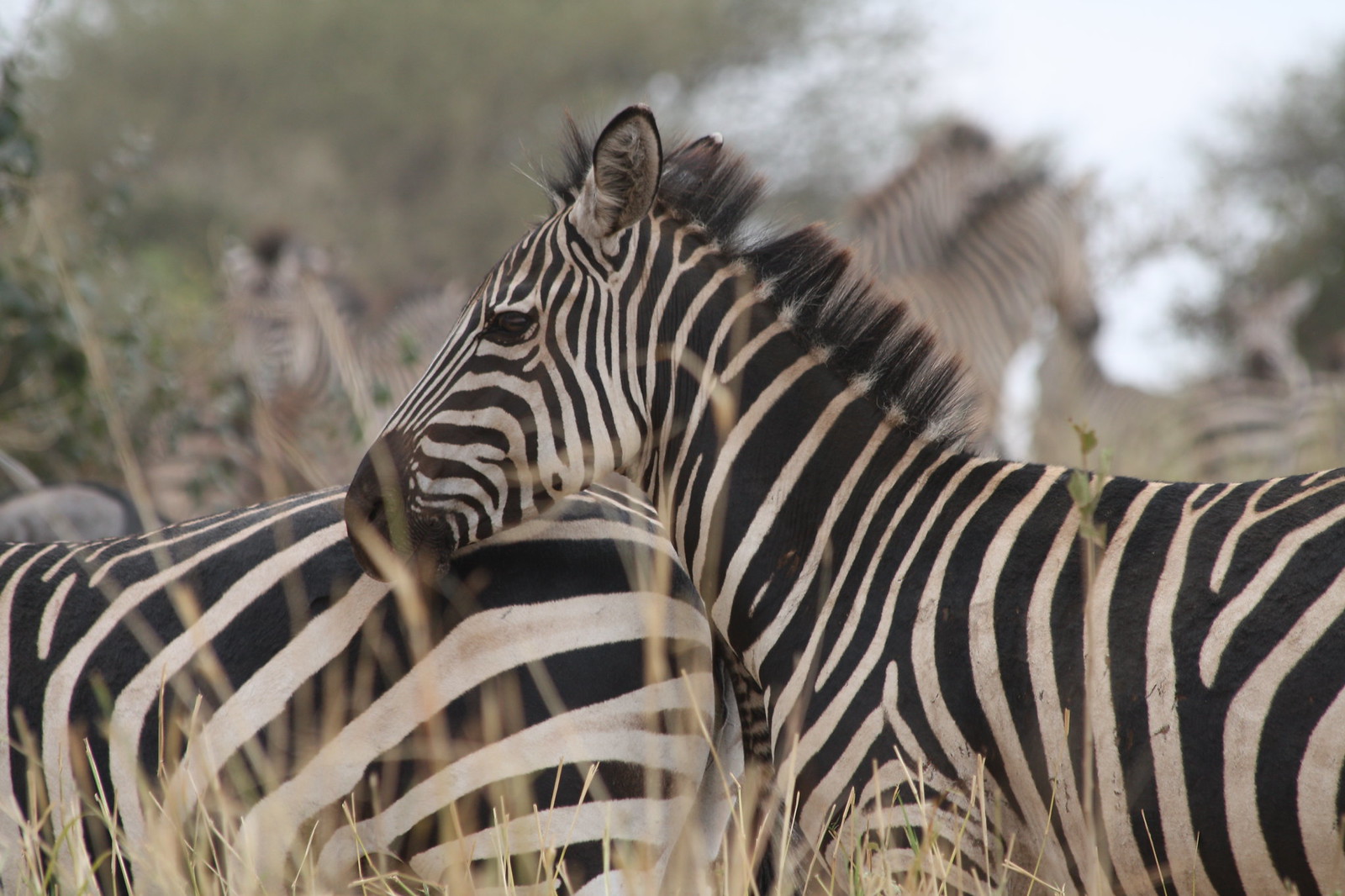
A long line of zebras was making its way towards the waterhole.
There were adults, playful foals, and young stallions walking together in an orderly procession. The dust rose around their legs with every step, creating a dramatic scene against the bright blue African sky.
Every Animal Needed the Same Resource
Waterholes are among the busiest places in any African national park.
During the dry season, rivers shrink, temporary pools disappear, and permanent water sources become gathering places for wildlife. Zebras may travel several kilometres each day to reach fresh water, especially when grazing areas become dry.
Unlike some grazing animals that can survive longer without drinking, zebras require regular access to water. Adult zebras typically drink at least once a day whenever possible, making reliable water sources essential for their survival.
As the herd approached, they slowed their pace and carefully scanned the surroundings before stepping closer.
Drinking Without Letting Their Guard Down
Although the water looked calm, the zebras remained alert.
Several adults lifted their heads repeatedly while others drank. Their ears constantly turned towards unfamiliar sounds coming from nearby bushes. Every few moments, one animal stopped drinking completely to check the surrounding grassland.
The reason was simple.
Waterholes are also favourite hunting grounds for predators.
Lions often rest nearby, waiting for thirsty animals to lower their guard. Leopards sometimes hide among thick vegetation, while spotted hyenas patrol the edges looking for an opportunity.
Even while drinking, zebras never completely relax.
Strength in Numbers
One zebra might seem vulnerable at a waterhole, but a herd presents a very different picture.
The animals took turns watching their surroundings while others drank. Foals remained safely between adult mares, protected from danger on all sides. A dominant stallion stood slightly apart, carefully observing every direction before finally lowering his head to drink.
This teamwork has helped zebras survive for thousands of years.
Living in groups allows more animals to detect predators early, giving the entire herd valuable seconds to escape if danger appears.
Watching their coordinated behaviour made it clear that every movement had a purpose.
Sharing the Waterhole
The zebras were not the only visitors.
Soon, a small group of impalas approached cautiously from one side. A few Cape buffalo stood farther back, waiting their turn, while several warthogs trotted confidently towards the muddy edge.
In the distance, a pair of giraffes slowly walked closer.
African waterholes often become natural meeting places where many different species gather throughout the day. Although each animal has its own habits and diet, they all depend on the same precious resource.
For safari visitors, these locations provide an excellent opportunity to observe several species without travelling long distances.
Why Zebras Often Travel With Wildebeest
Not long after the zebras arrived, another familiar group appeared.
A herd of wildebeest emerged from the grassland and joined them near the water.
This partnership is common throughout East Africa. Zebras and wildebeest frequently travel together because each species contributes different strengths. Zebras have excellent eyesight and often detect movement over long distances, while wildebeest possess a highly developed sense of smell that helps identify nearby predators.
Together, they create a stronger defence against danger than either species could manage alone.
This relationship becomes especially noticeable during the Great Migration across Tanzania’s Serengeti National Park and Kenya’s Maasai Mara National Reserve, where enormous mixed herds move in search of fresh grazing and water.
Dust That Told a Story
As more zebras arrived, the dry ground beneath their hooves produced thick clouds of reddish dust.
Rather than spoiling the view, the dust made the experience even more dramatic.
Photographers often wait for moments like these because the combination of sunlight, dust, and wildlife creates striking images. The glowing haze softens the background while making the animals stand out against the landscape.
Late afternoon and early evening are especially popular times for capturing this effect, as the lower angle of the sun produces warm golden light.
Where You Can See Zebras at Waterholes
Waterhole encounters are common in many of East Africa’s best safari destinations.
In Uganda, Lake Mburo National Park offers excellent opportunities to watch Burchell’s zebras gathering at water sources, especially during the dry months. Kidepo Valley National Park also supports healthy zebra populations that frequently visit rivers and seasonal pools.
Kenya provides exceptional viewing in the Maasai Mara National Reserve, Amboseli National Park, Tsavo East National Park, and Tsavo West National Park, where waterholes attract wildlife throughout the year.
In Tanzania, Serengeti National Park, Tarangire National Park, Ruaha National Park, and the Ngorongoro Conservation Area all provide memorable opportunities to observe zebras alongside elephants, buffalo, antelope, and many other species.
The Best Time to Watch Waterhole Activity
While wildlife visits water throughout the day, the best viewing often occurs during the dry season when permanent water becomes limited.
Early morning and late afternoon usually offer the highest levels of activity because temperatures are cooler. During particularly hot days, however, many animals continue visiting waterholes even in the middle of the afternoon to stay hydrated.
Remaining patient is the key.
Instead of constantly driving through the park, spending time quietly watching a single waterhole often rewards visitors with an impressive variety of wildlife.
A Scene That Captured Africa Perfectly
As the zebras finished drinking, the herd slowly turned away from the water. Their hooves lifted another cloud of dust as they disappeared back into the endless grasslands, leaving only fresh tracks along the muddy edge.
Within minutes, another group of animals stepped forward to take their place.
That simple cycle repeated itself throughout the day, reminding everyone watching that life on the African savannah revolves around water. It brings together animals of every size, creates opportunities for predators and prey to cross paths, and offers safari travellers some of the most memorable wildlife moments imaginable.
Watching a line of zebras emerge through the dust and gather peacefully at a waterhole was more than a beautiful sight. It was a glimpse into the daily rhythm of the African wilderness, where survival depends on patience, awareness, and the shared need for one of nature’s most valuable resources.