
A Peaceful Start on the Savannah
The sun had barely climbed above the horizon when the first herd appeared. The golden grass still carried the night’s dew, and a cool breeze drifted across the open plains. Birds called from nearby acacia trees while the distant sound of hooves echoed across the savannah. It seemed like the perfect morning to sit quietly and watch wildlife begin another day.
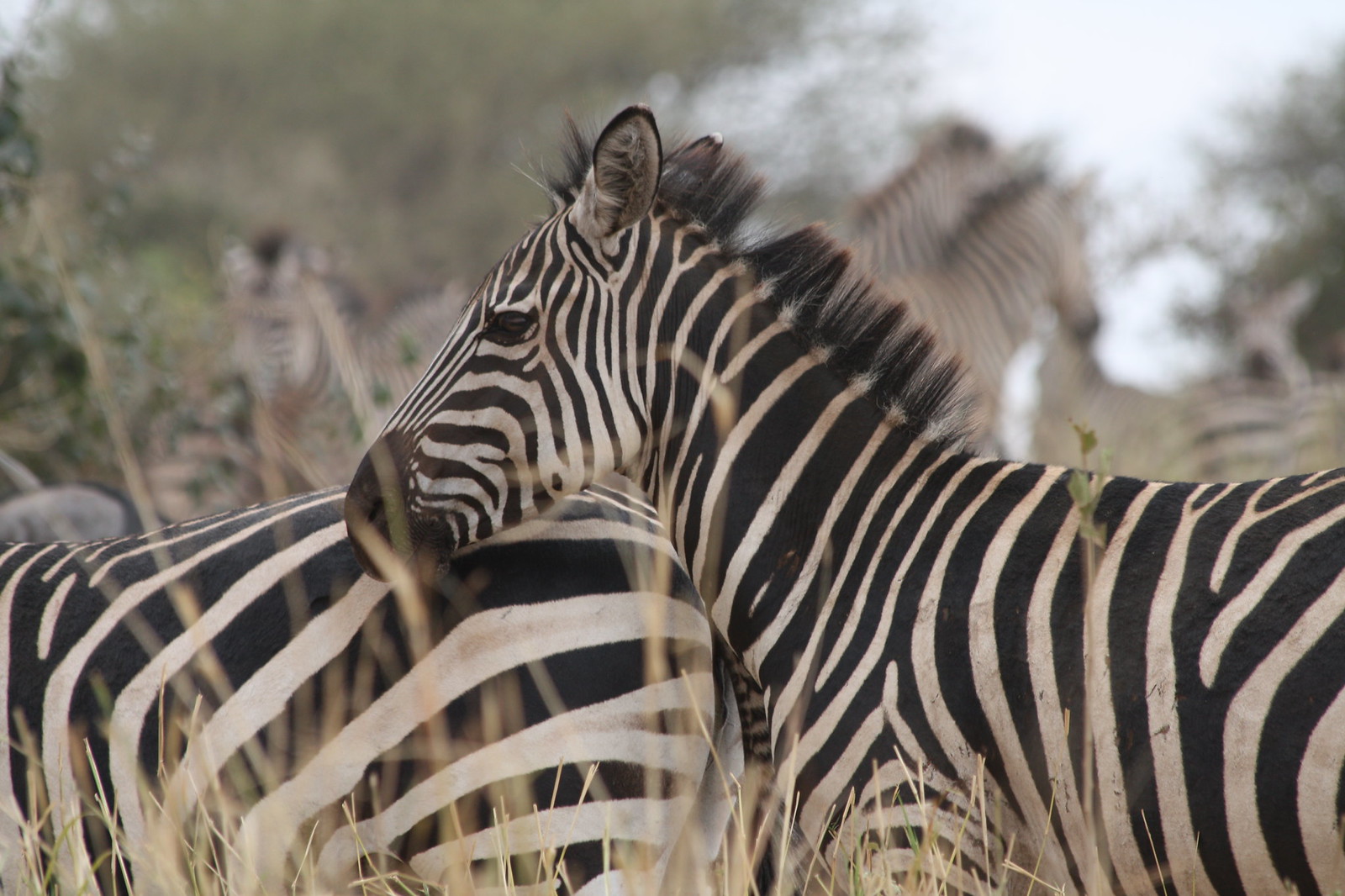
A small group of zebras wandered into view, grazing peacefully without paying much attention to anything else around them. Their black and white coats stood out against the soft colours of the landscape. At first, they looked like any other herd. Then curiosity took over.
Trying to Count the Stripes
I picked one zebra and started counting its stripes.
It seemed easy for the first few seconds. Thick black lines stretched from its neck towards its shoulders before dividing into thinner patterns along its body. Every stripe curved differently, twisting and bending in ways that almost looked deliberate. By the time I reached forty, I realised something unexpected. I had already lost track.
The problem was not that there were too many stripes. The challenge was that no stripe existed on its own. Each one split into another, merged with neighbouring lines, disappeared beneath the animal’s leg, or curved around its belly before reappearing somewhere else. My eyes simply could not keep up.
Every Zebra Has a Unique Pattern
Watching zebras quickly teaches you that nature rarely follows straight lines.
Every zebra carries a unique stripe pattern, much like a human fingerprint. No two are exactly alike. Researchers use these natural markings to identify individual animals during long term wildlife studies. Instead of attaching tags or collars to every zebra, scientists often rely on photographs of their stripe patterns to monitor movement, family relationships, population growth, and survival rates.
This natural identification system has become an important tool in wildlife conservation. By comparing photographs taken over many years, researchers can recognise individual zebras and better understand their behaviour and the health of different populations.
Life Within the Herd
As the morning became brighter, more zebras emerged from behind scattered bushes. What had started as a group of ten slowly became dozens. Foals stayed close to their mothers while dominant stallions remained alert, lifting their heads every few moments to scan the surroundings.
Although zebras spend much of the day grazing, they rarely stop watching for danger. Lions, spotted hyenas, leopards, and African wild dogs all hunt zebras. Survival depends on teamwork. When one zebra notices something suspicious, the rest of the herd reacts almost immediately. Heads rise together, ears point forward, and the peaceful atmosphere changes within seconds.
On safari, visitors often focus on predators. Lions resting beneath trees or leopards hidden in branches usually receive the most attention. Yet watching prey animals can be equally rewarding because their behaviour often reveals what is happening long before any predator comes into view.
Why Do Zebras Have Stripes?
Scientists have spent decades studying the purpose of zebra stripes, and several theories continue to gain support.
One theory suggests the stripes confuse predators during a chase. When dozens of zebras run together, their moving patterns make it difficult for lions to focus on one individual.
Another explanation involves insects. Research has shown that biting flies, including tsetse flies and horseflies, land less frequently on striped coats than on solid coloured animals. Fewer insect bites reduce the risk of disease and constant irritation.
Some researchers also believe the stripes help regulate body temperature by creating small differences in heat across the skin, encouraging tiny air currents that assist with cooling. While no single theory explains everything, it is likely that the stripes provide several survival advantages.
Zebras Rarely Graze Alone
As the herd continued feeding, I noticed something else.
The zebras shared the grassland with wildebeest and impalas. This mixed gathering is common across East Africa because different species benefit from each other’s strengths. Wildebeest have an excellent sense of smell, while zebras rely heavily on their eyesight. Together they detect predators more effectively than either species could alone.
These partnerships become especially important during the Great Migration, where hundreds of thousands of zebras travel alongside wildebeest across the Serengeti and Maasai Mara in search of fresh grazing after seasonal rains.
The Small Moments That Make a Safari Special
Despite spending nearly an hour watching them, I never managed to count all the stripes on a single zebra.
Instead, I found myself noticing details I would otherwise have missed. A foal nudged its mother before lying down to rest. Two young stallions playfully pushed each other before returning to graze. Oxpeckers landed briefly on several animals, searching for ticks hidden among their short fur.
These quiet moments often become the memories that stay with travellers long after a safari ends.
Many visitors arrive hoping to witness dramatic lion hunts or close encounters with the Big Five. Those experiences are unforgettable, but spending time observing everyday wildlife behaviour offers a deeper appreciation of Africa’s ecosystems.
Where Can You See Zebras in East Africa?
Zebras are among the easiest animals to spot on safari, but some destinations offer particularly impressive sightings.
In Uganda, large herds roam the open plains of Lake Mburo National Park and Kidepo Valley National Park. Kenya offers excellent viewing in the Maasai Mara National Reserve, Amboseli National Park, and Tsavo East and Tsavo West National Parks. Tanzania is home to vast populations in Serengeti National Park, Ngorongoro Conservation Area, Tarangire National Park, and Ruaha National Park.
Each destination provides different scenery, but the sight of black and white stripes stretching across golden grass remains one of Africa’s most iconic wildlife experiences.
The Best Time to Watch Zebras
Early morning is one of the best times to observe zebras. Cooler temperatures encourage active grazing, while the soft sunlight creates excellent conditions for photography. Many guides recommend leaving camp shortly after sunrise when wildlife is at its most active before the midday heat encourages animals to rest.
If you enjoy photography, avoid focusing only on one zebra. Wide angle photographs showing several animals often reveal the incredible variety in stripe patterns. Close up images of the face, shoulders, and mane also produce striking results.
Forty Stripes Were Enough
Looking back, I never discovered exactly how many stripes that first zebra had.
I stopped counting at forty because the numbers stopped mattering.
What remained was a reminder that every safari rewards curiosity. Sometimes the most memorable experiences come from slowing down and paying attention to an animal that many visitors simply drive past. The next time you find yourself watching a herd of zebras on the African plains, choose one animal and start counting. You may reach forty, or you may lose track long before then. Either way, you will begin to notice details that make every zebra, and every safari, completely unique.