
Gorilla Trekking with Kids: What the Age Limit Actually Means for Your Family
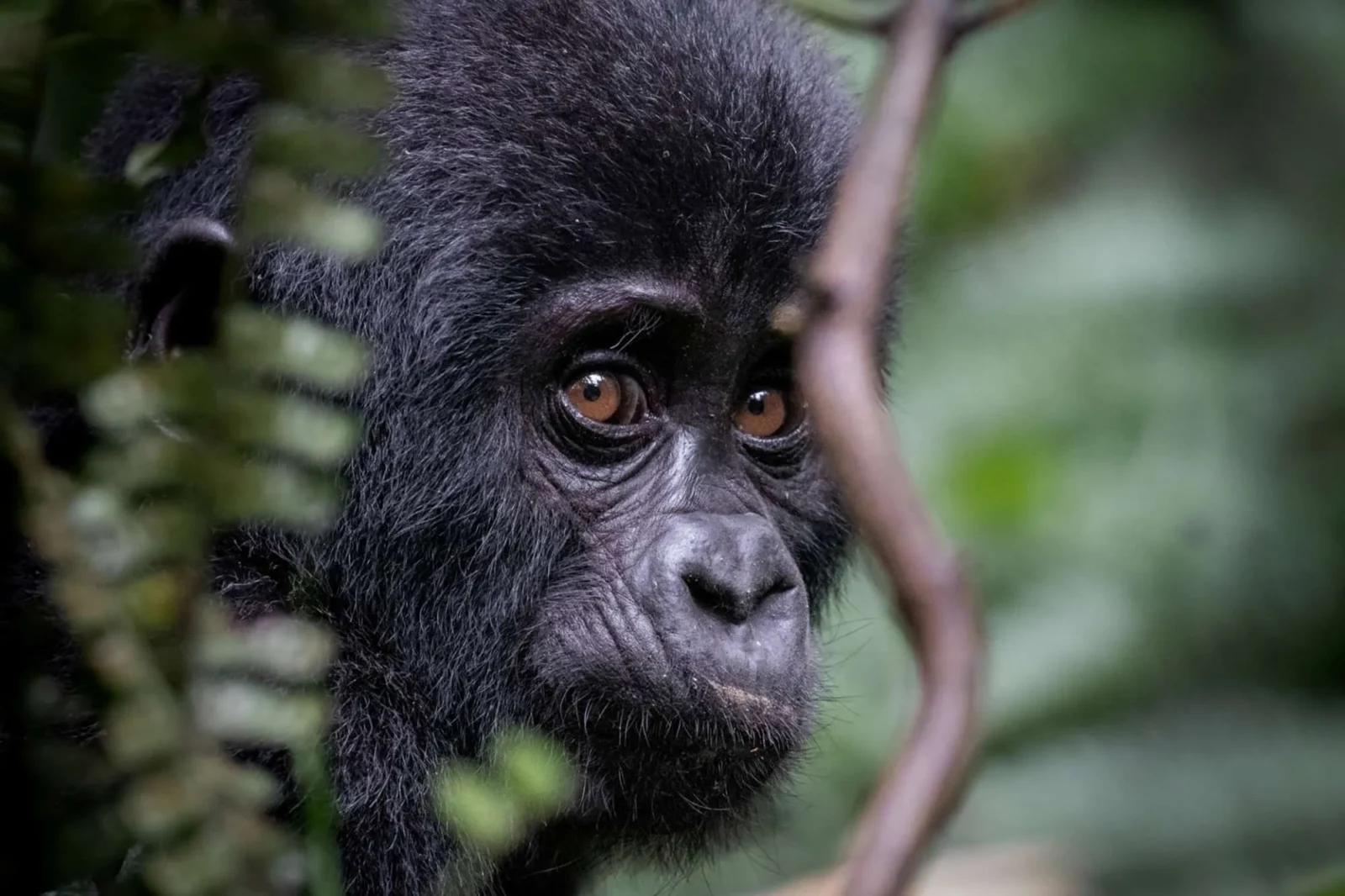
Gorilla trekking with kids in Uganda comes down to one hard number before anything else gets planned: fifteen. The Uganda Wildlife Authority sets fifteen years old as the minimum age for gorilla trekking in Bwindi Impenetrable National Park and Mgahinga Gorilla National Park, and this is not a soft guideline that a friendly ranger can wave through at the gate. Rangers check passports at park headquarters before the morning briefing, and the birthdate that matters is the trekking date itself, not the date you booked the permit months earlier. A child who turns fifteen the week after your scheduled trek does not qualify, even if they will be fifteen by the time you land back home, which is the single most common misunderstanding families run into when planning gorilla trekking with kids. The same fifteen-year threshold applies identically in Rwanda’s Volcanoes National Park and across the border in the Democratic Republic of Congo, so switching countries will not solve the problem if your child is younger.
The reasoning behind the rule is biological, not bureaucratic. Mountain gorillas share roughly 98 percent of human DNA, which means they are susceptible to the same respiratory illnesses, especially common childhood colds and flu strains, that circulate constantly among younger children. A gorilla population that numbers only in the low thousands worldwide cannot absorb a disease outbreak the way a human city can, and children under fifteen statistically carry and shed these viruses more than older teenagers and adults. There is also a practical safety dimension: treks can run anywhere from thirty minutes to six or seven hours over steep, muddy, root-tangled terrain at altitudes above 2,000 meters, and UWA has judged that younger children are less likely to have the physical stamina and behavioral discipline, staying quiet, not running toward the gorillas, following a guide’s instructions instantly, that the encounter requires for everyone’s safety, human and gorilla alike.
Are There Ever Exceptions When Planning Gorilla Trekking with Kids?
Occasionally, yes, though they are rare enough that no family should plan around getting one. Uganda’s wildlife authority has, on a case-by-case basis, granted written permission for a fourteen-year-old to trek if that child turns fifteen within the same calendar year and a parent submits a formal request well ahead of the travel dates, along with evidence of the child’s fitness and maturity. This is entirely discretionary, requires prior written clearance rather than an on-the-spot decision at the park gate, and tour operators generally advise against building a trip around the assumption it will be approved. If your child is close to the cutoff, the realistic move is to ask your operator to submit the request as early as possible and have a backup plan ready in case it is declined.
What Younger Children Can Actually Do Instead
Families traveling with children under fifteen are not shut out of Uganda’s forests entirely, and this is where a lot of trip planning genuinely gets interesting rather than disappointing. Chimpanzee trekking in Kibale Forest National Park, Uganda’s primate capital, generally allows children from age twelve, since chimpanzees, while still requiring caution, do not carry quite the same population-collapse risk calculus that governs the much smaller and more fragile mountain gorilla population. Golden monkey trekking in Mgahinga Gorilla National Park, a lively, acrobatic experience chasing a troop of golden monkeys through bamboo forest, also typically opens at age twelve. Both make genuinely strong centerpiece activities for a family trip built around a Uganda safari when the gorilla trek itself has to wait for the teenagers in the group. It is worth confirming the exact minimum with your operator at booking time regardless, since individual parks and operators occasionally apply slightly different thresholds and these figures do shift with policy updates.
Beyond primates, Uganda’s savanna parks have no age restrictions at all. Queen Elizabeth National Park’s game drives and Kazinga Channel boat cruise, Murchison Falls’ boat trip to the base of the falls, and Lake Mburo’s walking and horseback safaris all welcome children of any age, and many families structure their itinerary so the under-fifteens get a full, thrilling safari built around these activities while the older teenagers or adults in the group peel off for the gorilla permit day. A good driver-guide can often coordinate this split without anyone missing the group entirely, since gorilla treks typically run half a day and everyone reconvenes at the lodge by afternoon.
Packing, Fitness, and Practical Tips for Teenage Trekkers
For families with teenagers who do meet the age threshold, the practical preparation looks much the same as for adults, just with a bit more attention to pacing. Waterproof hiking boots with real ankle support matter more in Bwindi’s mud than almost any other single packing decision, and it is worth breaking new boots in at home for several weeks before the trip rather than wearing them for the first time on the trail. Garden gloves protect hands from stinging nettles along the forest paths, and a lightweight rain jacket earns its keep even outside the official wet season, since Bwindi’s rainforest canopy generates its own weather. Porters, hired locally at the trailhead for a modest fee, are worth arranging for teenage trekkers who are fit but unaccustomed to multi-hour uphill hiking at altitude, both to carry daypacks and, more importantly, to offer a steadying hand on the steeper, slicker sections. Because the trek’s length is unpredictable, gorilla families move through the forest independently and can be anywhere from a thirty-minute walk to several hours away on a given morning, it helps to talk teenagers through the uncertainty beforehand so a longer-than-expected hike does not sour the mood before the actual gorilla encounter, which typically lasts a strictly enforced one hour once the family is located.
Altitude is worth a mention too, since Bwindi’s sectors sit between roughly 1,400 and 2,600 meters and Mgahinga climbs higher still. Most healthy teenagers adjust without issue, but it is sensible to spend a night at altitude before trekking day rather than arriving and heading straight into the forest, and to keep everyone well hydrated in the days beforehand.
Health Preparation for the Whole Family
Planning gorilla trekking with kids also means starting health preparation earlier than an adult-only trip usually requires. Uganda requires every traveler, regardless of age, to hold a valid yellow fever vaccination certificate, and pediatricians generally recommend the vaccine from nine months of age, so this needs to go on the calendar well before departure rather than being handled at the last minute. It is also worth checking, well before booking flights, whether your family’s travel insurance policy extends to children taking part in activities like chimpanzee or golden monkey trekking, since some policies quietly cap or exclude adventure activities for younger travelers even when adults on the same policy are fully covered.
None of this is complicated, but it is exactly the kind of detail that turns into a stressful scramble at check-in if it is left until the week before travel. Building a short checklist, yellow fever certificates, travel insurance confirmation, passport validity of at least six months beyond the return date, alongside the usual packing list, solves most of it in a single afternoon at home.
Choosing Family-Friendly Lodges and Building the Right Itinerary
Accommodation choice matters more with children in the group than most first-time planners expect. A number of properties around Bwindi and Mgahinga specifically cater to families, with interconnecting rooms or family cottages, flexible dinner timing for younger kids, and staff experienced in keeping children safely away from the electric perimeter fencing some lodges use to deter wildlife wandering through camp at night. Booking through an operator experienced in gorilla trekking with kids, one who asks about children’s ages during the planning stage rather than treating a family booking identically to a couples’ booking, tends to produce a smoother trip, since they can flag which lodges near your chosen sector, Buhoma, Ruhija, Rushaga, or Nkuringo, are genuinely set up for kids versus which are better suited to honeymooners seeking total quiet.
The itinerary shape itself deserves thought too. Rather than flying in and heading straight to Bwindi, families with a mixed-age group often do better allocating extra buffer days, both to acclimatize and to give younger children a gentler introduction to Uganda through a savanna park before the more demanding forest trekking begins. Splitting a trip so under-fifteens spend trekking day on a game drive or boat cruise while older family members trek, then reuniting for an afternoon at the lodge pool or on a shorter nature walk together, keeps the whole group engaged rather than asking younger kids to simply wait around a lodge all morning.
Planning Your Own Family Uganda Trip
If your group includes trekkers who clear the age threshold, a well-paced three-day Bwindi gorilla trekking itinerary builds in the kind of buffer day recommended above, while a three-day Mgahinga gorilla trekking safari works well for families also interested in pairing the trek with golden monkey tracking for younger children in the same trip. Our dedicated page on gorilla safaris for families goes further into lodge-by-lodge recommendations and planning specifics, and the FAQ on whether children can go on a gorilla safari is a quick reference if you are still deciding whether this year is the year for your family’s trek. Families with younger children should also look at our guide to family-friendly gorilla safari lodges before booking accommodation, and our overview of chimpanzee trekking permits in Uganda if a chimp trek is likely to replace the gorilla permit for anyone under fifteen in your party. Travelers weighing Uganda against Rwanda for a mixed-age family group may also find our piece on family travel in Rwanda with kids useful for comparison. For the current official policy text on age requirements and any updates, the Uganda Wildlife Authority’s website remains the source to check before finalizing dates, since age and permit rules are occasionally revised.
Done right, gorilla trekking with kids is less about working around a restriction and more about building a trip with enough variety that every age in the family gets a genuine highlight, not just the fifteen-and-over crowd standing in a misty forest with a silverback. Start planning gorilla trekking with kids around the age threshold rather than against it, and the whole trip tends to fall into place.