
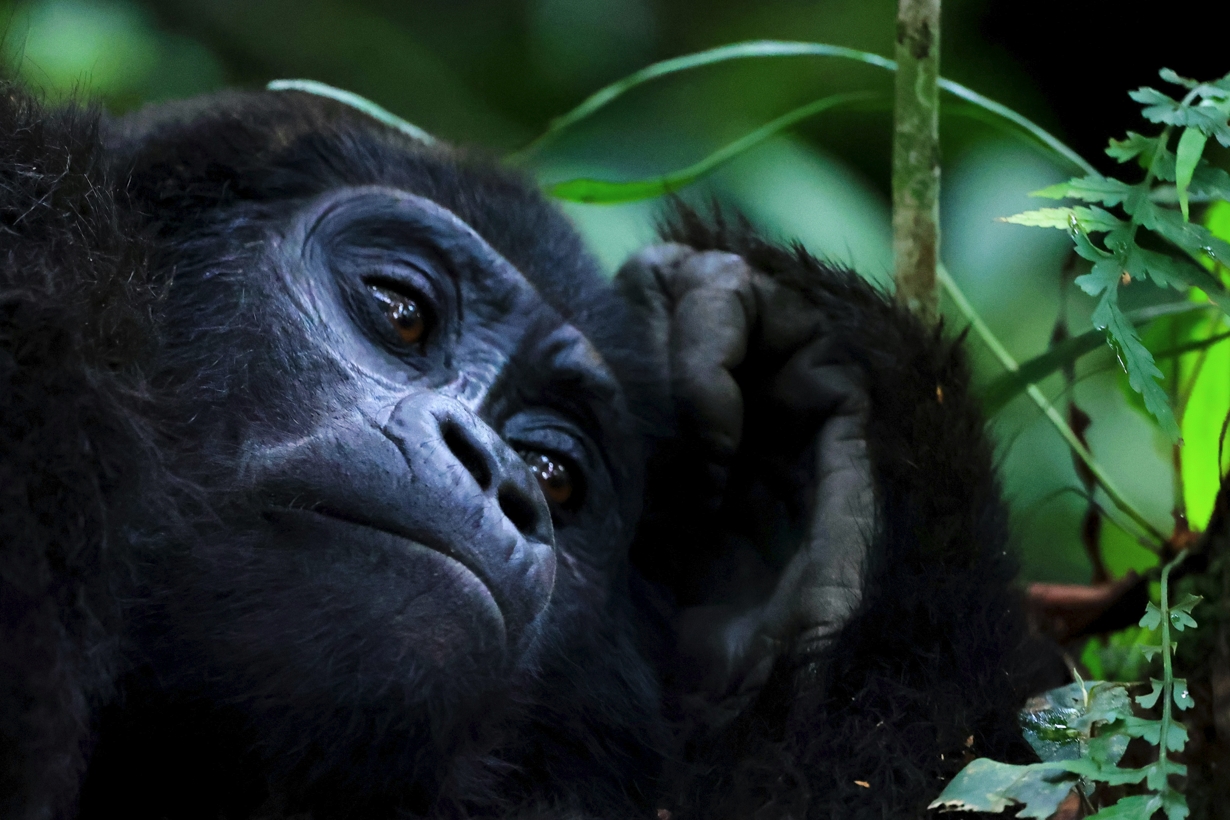
What to Pack for a Gorilla Trek: Building Your Kit From the Ground Up
What to pack for a gorilla trek comes down to a short list of items that actually matter and a much longer list of things travelers bring that end up sitting unused in a hotel room in Kampala. Bwindi Impenetrable Forest earns its name honestly: the trails are steep, muddy even in the driest months, tangled with roots, and lined with stinging nettles that will find any exposed skin within the first twenty minutes. Everything on a genuinely useful gorilla trek packing list exists to solve one of three problems, keeping your feet stable on unpredictable ground, keeping your skin protected from plants and insects, or keeping your gear dry and functional through sudden rain, and working through the list with that framing in mind makes it much easier to separate the essentials from the optional extras.
Footwear Is the One Decision Worth Obsessing Over
If a single item determines whether your trekking day is comfortable or miserable, it is footwear. Waterproof hiking boots with real ankle support are non-negotiable, since Bwindi’s trails alternate between slick red mud and loose, root-tangled terrain where a rolled ankle several hours from the trailhead is a genuine problem, not just an inconvenience. New boots should be broken in for several weeks before travel; arriving with boots straight out of the box is one of the most common and entirely avoidable mistakes first-time trekkers make. Tall, thick hiking socks, ideally two pairs worn together, tucked over trouser cuffs rather than under them, close off the gap where safari ants and other insects would otherwise find their way in. Gaiters, the fabric sleeves that wrap from boot to knee, are worth the small extra weight in a daypack for exactly this reason and are cheap enough to buy before departure if you do not already own a pair.
Clothing Layers for a Rainforest, Not a Savanna
Bwindi’s climate is nothing like the dry, dusty savanna parks most people picture when they think of an African safari. It is genuine montane rainforest, humid, frequently damp, and cool at higher elevations even near the equator. Long-sleeved shirts and long trousers in neutral tones, khaki, olive, and brown work well, both protect against nettles and thorny undergrowth and help you blend into the forest rather than standing out in bright colors that can also agitate wildlife. A lightweight, breathable base layer under a waterproof rain jacket handles the temperature swing between a cool morning briefing and a humid midday climb better than a single heavy layer would. Rain is a near-daily possibility regardless of season in a rainforest environment, so packing rain gear is not a wet-season-only precaution; it belongs in every trekker’s bag year-round. Gardening gloves, the kind sold at any hardware store, are one of the more surprising items on a good packing list, but anyone who has grabbed a nettle-covered branch for balance on a steep section understands immediately why experienced guides recommend them.
What Goes in the Daypack
Beyond what you wear, a compact daypack carried by you or a hired porter needs to hold everything for what can be anywhere from a thirty-minute walk to a seven-hour trek, since gorilla families move independently through the forest and nobody knows the day’s distance until tracker teams report back that morning. At least two liters of water per person is the standard recommendation, more in hot conditions, since dehydration compounds quickly at altitudes that in Bwindi’s sectors range from roughly 1,400 to 2,600 meters. Energy-dense snacks, granola bars, nuts, dried fruit, matter more than they might seem to on a trek with an unpredictable length and a genuinely demanding physical middle section. Insect repellent containing DEET, applied to ankles, wrists, and neck before setting out, guards against both mosquitoes and the safari ants that can appear in numbers on the forest floor. Sunscreen and a wide-brimmed hat still matter despite the forest canopy, since UV exposure at altitude near the equator is stronger than it feels on a cool, overcast morning, and there are open sections of trail with direct sun exposure.
A face mask belongs in every trekker’s daypack specifically for the hour spent near the gorillas themselves. Uganda Wildlife Authority guidelines require visitors to wear a mask during the actual viewing period, a rule introduced to reduce the risk of transmitting human respiratory illnesses to a species that shares roughly 98 percent of human DNA and has no immunity to common human colds or flu strains. This is one of the few rules on this list that is strictly enforced by ranger guides at the moment of contact, so it is worth packing two or three disposable masks rather than relying on a single one that could get wet or damaged earlier in the hike.
Cameras, Electronics, and Keeping Everything Dry
A camera with a reasonably capable zoom lens is worth prioritizing over a phone alone, since the one-hour viewing window with the gorillas is strictly timed and does not pause for fumbling with settings, and flash photography is banned outright to avoid startling the animals. Whatever camera or phone you bring, a simple dry bag or even a couple of resealable plastic bags inside the daypack protects electronics from sudden rain far more reliably than hoping the weather holds. Spare batteries or a portable power bank matter more here than on a typical city trip, since there is no realistic way to recharge equipment mid-trek, and cold, damp mornings can drain batteries faster than expected. A walking stick, either brought from home or, more commonly, rented for a small fee from a park attendant at the trailhead, gives real stability on steep or slick sections and is one of the more underrated items experienced trekkers rarely skip.
What to Pack for a Gorilla Trek If You’re Combining It With Other Activities
Many Uganda itineraries pair the gorilla permit with a savanna game drive, a boat cruise on the Kazinga Channel, or a chimpanzee trek in Kibale, and thinking about what to pack for a gorilla trek in isolation can leave you under-prepared for the rest of the trip. Binoculars, left off most gorilla-specific packing lists since the encounter happens at close range, earn their place in the bag the moment a savanna park or a birding stop enters the itinerary. A lighter set of clothes for warmer, drier savanna days is worth packing separately from the rainforest layers described above, since Queen Elizabeth or Murchison Falls in the afternoon sun calls for something considerably cooler than a long-sleeved rainforest shirt. If your trip includes a chimpanzee trek in addition to gorillas, the same boots, gloves, and rain layer generally do double duty, since Kibale’s terrain presents similar mud and undergrowth, so there is rarely a need to pack two entirely separate kits for the two activities.
It is also worth deciding in advance what you can rent locally versus what you genuinely need to bring from home. Walking sticks, as mentioned above, are readily available at park headquarters for a small fee, and some lodges rent out rubber boots for guests who would rather not travel with hiking boots at all, though fit and comfort on a multi-hour trek are far less reliable with rented, unbroken-in footwear. Rain ponchos and basic gaiters are occasionally available for purchase at trailhead shops in Buhoma or Rushaga, but the selection is limited and prices are higher than buying the same items before you travel, so treat local availability as a backup plan rather than the main strategy for what to pack for a gorilla trek.
Documents, Cash, and the Things People Forget
Alongside physical gear, a handful of paperwork items belong at the top of any packing list precisely because forgetting them can end a trek before it begins. Your passport and the printed or digital gorilla permit confirmation are checked by rangers at park headquarters before the morning briefing, and a missing permit document, even when the booking is genuinely confirmed in the system, can cause real delays while staff verify it manually. Small denominations of Ugandan shillings or US dollars in good condition, note that many vendors and porters in rural areas will not accept older or damaged US bills, cover porter fees, which typically run in the range of $15 to $20 for the day, and tips for the ranger guide team, a customary and genuinely appreciated part of the experience even though it is never mandatory. A basic first aid kit with blister plasters, since even well broken-in boots can rub on a multi-hour trek, rounds out the practical side of what to pack for a gorilla trek.
What experienced repeat trekkers tend to leave at the lodge, rather than what they pack, is worth a mention too. Heavy tripods, oversized camera bags, and multiple changes of clothing for the trek itself all become dead weight on a hike where every extra kilogram is felt by hour two. Pack for the forest you are actually walking into, wet, uneven, physically demanding in short bursts, rather than for a generic safari, and the answer to what to pack for a gorilla trek genuinely comes down to the items covered above.
Putting It All Together Before You Book
Once your kit is sorted, it helps to look at the trip itself: a well-paced three-day Bwindi gorilla trekking safari gives you time to settle in and organize gear before the trekking day itself rather than arriving and heading straight into the forest. Our companion piece, the gorilla safaris packing list, is worth a look alongside this guide for a second pass through the essentials, and our dedicated breakdowns of gorilla safari boots and the full gorilla safari clothing guide go deeper into footwear and layering specifics than space allows here. If you are trekking outside the driest months, our page on gorilla safari rain gear covers waterproofing in more detail, and the quick-reference FAQ on what to wear on a gorilla safari is handy for a last-minute check the night before you leave. For the latest official visitor guidelines, including current mask and conduct rules during gorilla viewing, the Uganda Wildlife Authority’s website is the authoritative source to check closer to your travel dates, since specific rules do occasionally get updated.
Get the footwear, layers, and rain protection right, and the rest of what to pack for a gorilla trek falls into place around them without much difficulty.