
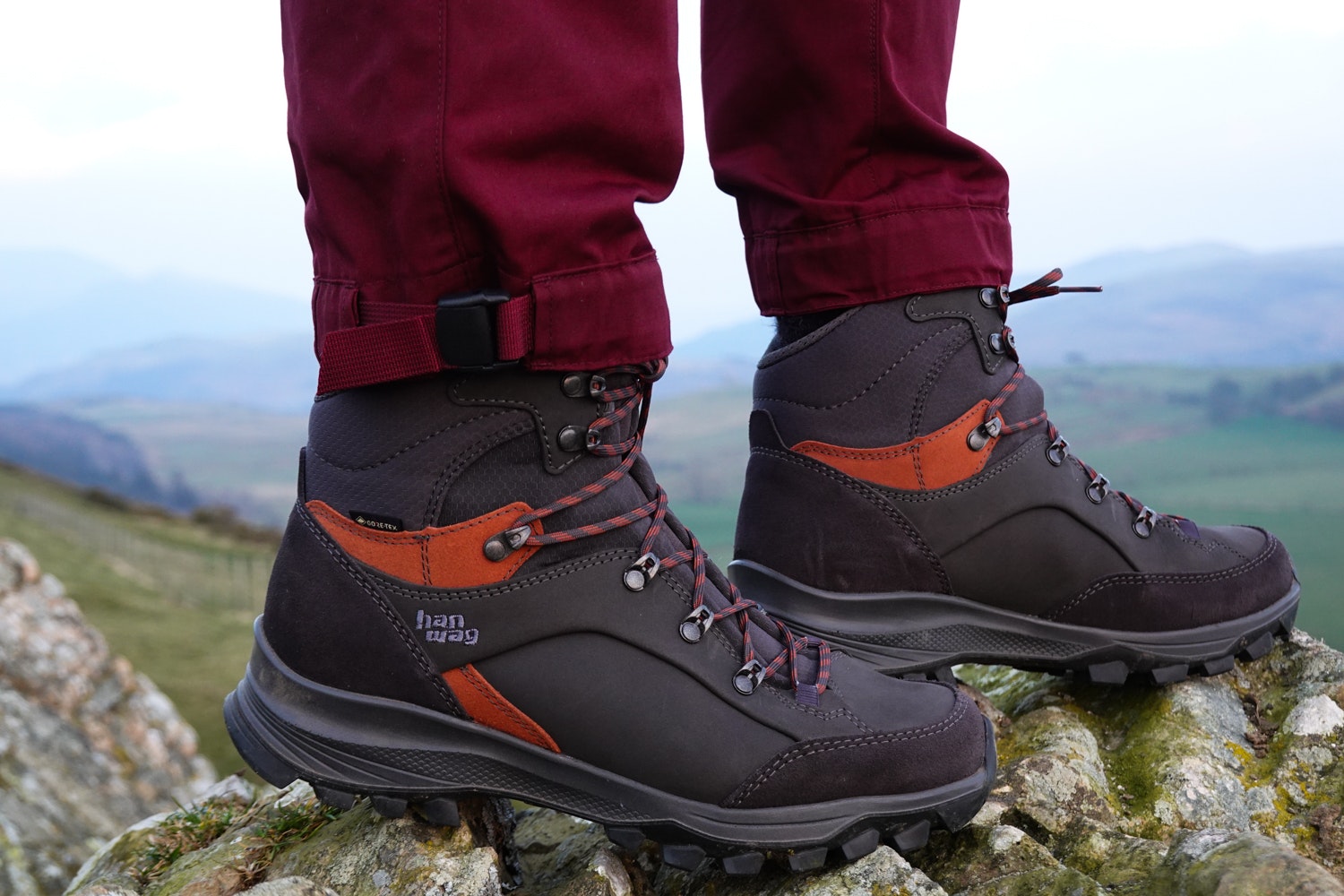
Gorilla Safari Boots: Best Footwear for Bwindi’s Terrain
Choosing the right gorilla safari boots is one of the most important parts of preparing for a trek in ecosystems like Bwindi Impenetrable National Park and Mgahinga Gorilla National Park. The terrain is challenging and constantly changing: steep slopes, thick forest, deep mud, hidden roots, and frequent rain define the walking conditions. In this environment, footwear is not just comfort-it is safety, stability, and endurance.
If your boots fail, the trek becomes slower, more exhausting, and potentially unsafe. If they perform well, the forest becomes manageable and your attention stays on the gorilla experience rather than the struggle of walking.
Why Gorilla Trekking Requires Specialized Boots
Bwindi is a dense tropical rainforest with unpredictable terrain. Trails are not paved or engineered. Instead, they are natural paths shaped by wildlife movement, rainfall patterns, and previous trekking activity.
Common conditions include slippery mud that reduces traction, uneven ground with hidden roots and rocks, steep ascents and descents, and wet vegetation that soaks footwear quickly.
Because of this, normal shoes or casual sneakers are not suitable. Proper hiking boots are essential for grip, protection, and stability in forest conditions.
Key Features of the Best Gorilla Safari Boots
Waterproof Protection
Rain can fall at any time in Bwindi, and even short showers can transform trails into muddy paths. Waterproof boots prevent water from entering, keeping your feet dry and reducing the risk of blisters and discomfort.
Moisture control is also important inside the boot, as long treks naturally generate sweat. A good waterproof structure helps balance internal and external moisture conditions.
Ankle Support
Ankle stability is one of the most important safety features for gorilla trekking boots. The forest floor is uneven and often hidden by vegetation, making it easy to twist or roll an ankle.
Mid-cut or high-cut boots provide support around the ankle joint, reducing injury risk when walking on unstable terrain or steep slopes.
Strong Grip and Traction
The sole of the boot determines how well you handle mud, slopes, and wet surfaces. Deep-lug rubber soles are ideal because they dig into soft ground and prevent slipping.
Good traction is especially important during downhill sections, where controlled movement is needed to avoid losing balance.
Durability and Protection
Boots must withstand sharp plants, wet logs, rocks, and constant friction with the environment. Reinforced toe caps and strong outer materials help protect your feet from impact and abrasion.
In Bwindi, vegetation can be dense and occasionally sharp, so durability is essential for comfort and safety.
Long-Distance Comfort
Gorilla trekking can last anywhere from one hour to several hours depending on gorilla movement. Boots must remain comfortable over extended periods without causing pressure points or blisters.
Proper cushioning, breathable lining, and correct fit are key to maintaining endurance during long walks.
Best Boot Types for Gorilla Trekking
Mid-Cut Waterproof Hiking Boots
These are the most suitable choice for most trekkers. They offer a balance between flexibility, comfort, and ankle support. They are ideal for mixed terrain conditions found in Bwindi and Mgahinga.
High-Cut Hiking or Mountaineering Boots
These provide maximum ankle stability and are useful for extremely steep or muddy terrain. However, they can feel heavier and slightly less flexible during long walks.
Lightweight Trail Boots (With Caution)
Lightweight boots can be comfortable but must still include strong grip, waterproofing, and ankle support. Without these features, they are not suitable for the demands of forest trekking.
What You Should Avoid
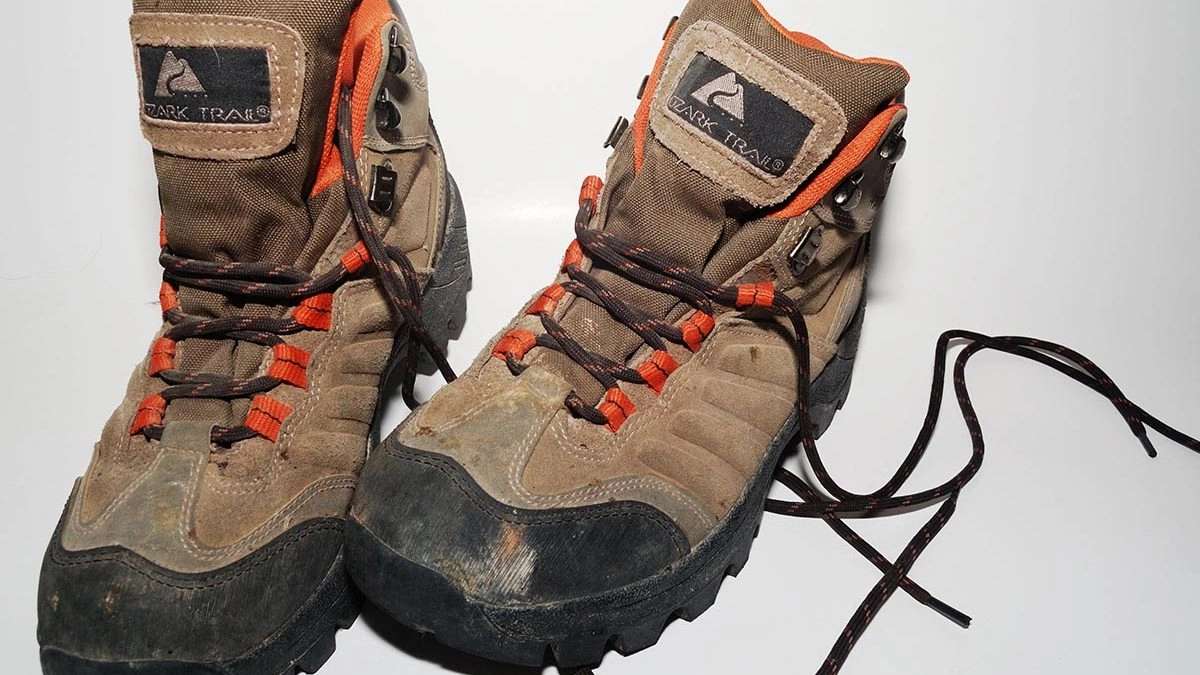
Improper footwear can quickly turn a gorilla trek into a difficult experience.
Avoid wearing sneakers or running shoes because they lack grip and protection. Avoid sandals or open footwear because they expose your feet to injury. Avoid brand-new boots that have not been broken in, as they can cause blisters. Avoid flat-soled shoes that slip easily on wet ground.
Even experienced hikers sometimes underestimate how demanding Bwindi terrain can be, especially after rainfall.
How Boots Affect Your Trekking Experience
Good boots directly improve your trekking efficiency. Stable footing reduces fatigue because you are not constantly adjusting balance or slipping. This conserves energy for the actual gorilla encounter.
They also improve safety by reducing the risk of ankle injuries and falls. In forest environments, most trekking difficulties come from terrain, not wildlife.
With proper footwear, you move with confidence and focus more on the experience rather than the physical effort.
Breaking in Your Boots Before the Safari
New boots should never be used for the first time on a gorilla trek. They need to be broken in to adapt to your feet.
Before your trip, wear them on long walks, preferably on uneven terrain. Use the same socks you plan to wear during trekking. This helps identify pressure points and allows the boots to soften and adjust to your movement patterns.
Well-broken boots significantly reduce the risk of blisters and discomfort.
The Importance of Socks
Boots alone are not enough. Proper trekking socks play a major role in comfort and protection. Thick, moisture-wicking socks reduce friction and help prevent blisters during long hikes.
Many trekkers prefer padded or double-layer hiking socks for additional cushioning in rough terrain.
Final Perspective
Gorilla safari boots are one of the most important pieces of equipment for trekking in Bwindi Impenetrable National Park and Mgahinga Gorilla National Park. They are not optional gear-they are essential for safety, endurance, and overall experience quality.
The ideal boots combine waterproof protection, ankle support, strong grip, durability, and long-distance comfort. When chosen correctly, they allow you to move confidently through challenging rainforest terrain and fully focus on the rare and powerful experience of encountering mountain gorillas in the wild.