
Sipi Falls Coffee Tour: From Bean to Cup on the Slopes of Mount Elgon
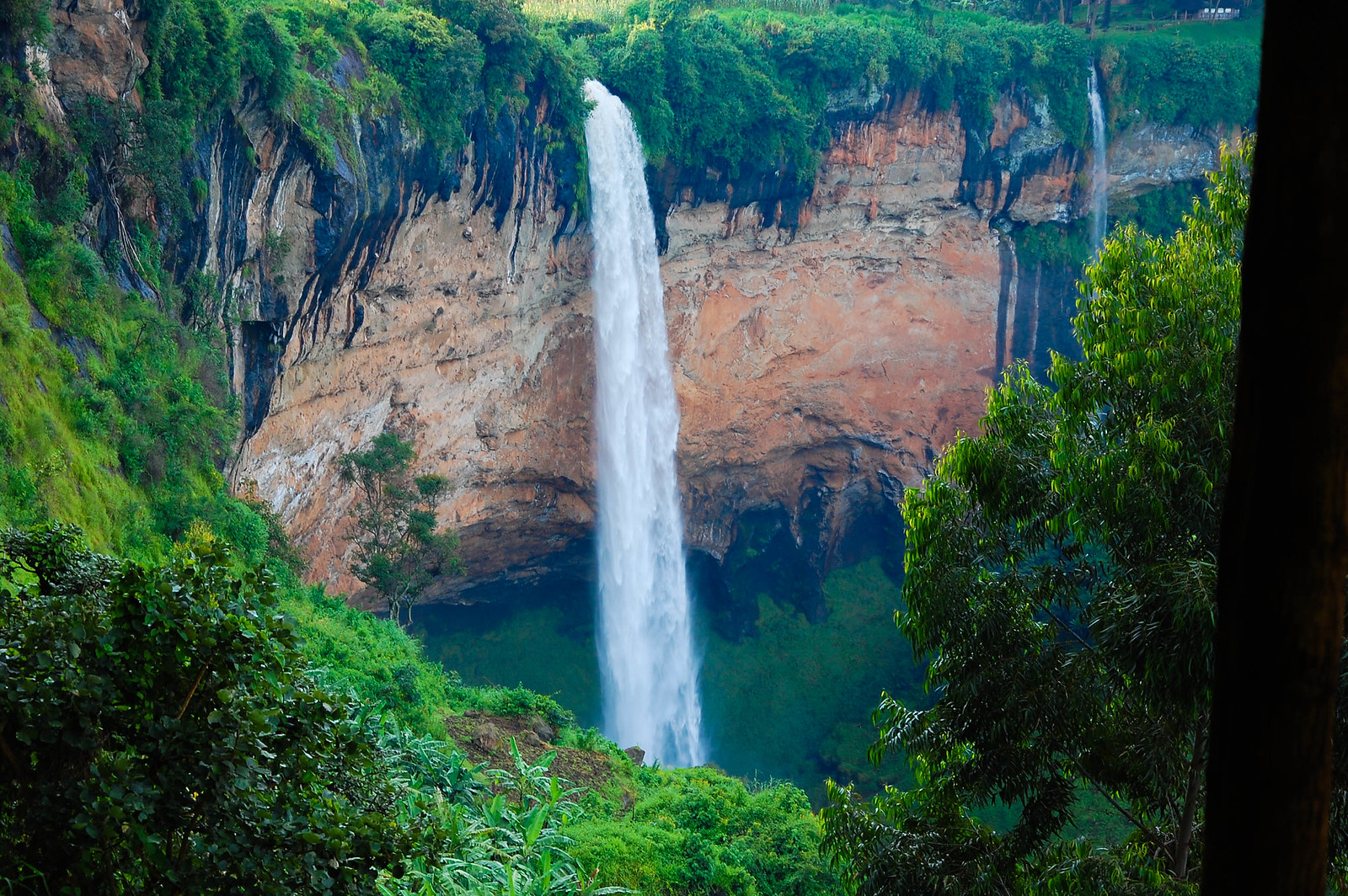
The hillsides surrounding Sipi Falls are thickly covered in coffee, row after row of glossy-leaved shrubs climbing the slopes of Mount Elgon in a landscape shaped as much by agriculture as by the waterfalls that draw most visitors here in the first place. A coffee tour has become one of the natural, near-essential complements to a Sipi visit, walking travellers through the entire process from ripe cherry on the branch to the cup in their hands, almost always led by farmers whose families have grown coffee on these same slopes for generations, passing knowledge and technique down largely unchanged from one generation of growers to the next.
Why Sipi Grows Such Good Coffee
Arabica coffee, the more delicate and generally higher-valued of the world’s two major commercial coffee species, thrives at higher altitudes with the right combination of temperature, rainfall, and volcanic soil, conditions that Mount Elgon’s fertile slopes provide almost ideally. The mountain’s volcanic origins left behind rich, mineral-dense soil, and the altitude around Sipi keeps temperatures cool enough for the slower cherry ripening that tends to produce more complex, higher-quality beans than coffee grown at lower, hotter elevations. This combination has made the wider Mount Elgon region one of Uganda’s most significant Arabica-growing areas, and Sipi sits right in the heart of it.
How a Typical Tour Unfolds
Coffee tours around Sipi are almost always run by small-scale local farmers rather than large commercial operations, walking small groups directly through working coffee gardens rather than a staged demonstration plot. The experience typically begins in the field itself, picking ripe, red coffee cherries by hand alongside the farmer, a straightforward but genuinely instructive first step that immediately clarifies just how much fruit needs to be picked to produce even a modest quantity of finished coffee.
Pulping, Fermenting, and Washing
Once cherries are picked, the tour moves into processing, starting with pulping, removing the outer fruit from the coffee bean inside using simple hand-operated equipment that most farms maintain specifically for this purpose. The pulped beans then go through a fermentation stage, sitting in water for a period that breaks down the remaining mucilage clinging to the bean, before a thorough washing removes what fermentation has loosened. Visitors get a hands-on look at each of these stages, often participating directly rather than simply observing, which tends to make the whole process considerably more memorable than it would be as a passive demonstration.
Drying, Roasting, and Grinding
Washed beans are laid out to dry, traditionally on raised platforms or mats exposed to the sun over a period of days, a stage the tour explains even if the actual drying itself takes far longer than a single visit allows to observe start to finish. From there, the tour typically moves to roasting, done the traditional way over an open fire in a metal pan, with the farmer stirring constantly to prevent burning while the beans darken and the unmistakable aroma of fresh-roasting coffee fills the air. Grinding then follows using a traditional wooden mortar and pestle, a physically demanding step that visitors are usually invited to try themselves, quickly gaining an appreciation for just how much manual effort sits behind every cup of coffee produced this way.
The Payoff: Brewing and Tasting
The tour concludes with brewing, typically a simple filtered preparation using the freshly ground beans, and the resulting cup tends to taste noticeably different from what most visitors are used to, a direct, unfiltered expression of beans that were still on the branch as fruit only hours earlier. For many participants, this final cup, brewed from coffee they helped pick, process, and grind themselves, becomes one of the most memorable small moments of an entire Uganda trip, disproportionate to how simple the tour itself actually is in structure.
Supporting Local Farming Communities
Coffee tours around Sipi are typically run directly by small-scale farming families rather than intermediary tour companies, meaning the fees paid for a tour flow largely straight to the households whose land and labour the experience showcases. This direct economic relationship has become an important supplementary income stream for farming families in the area, alongside the sale of the coffee itself, and many operators frame the tours explicitly as a way for visitors to support smallholder agriculture rather than simply purchasing an entertainment experience.
Buying Coffee to Take Home
Most coffee tours end with the option to purchase roasted beans or ground coffee directly from the farm, often at prices considerably lower than equivalent specialty coffee back home, and with the added value of having watched, and often participated in, the entire production process firsthand. This makes Sipi coffee a popular and genuinely meaningful souvenir for travellers, carrying a story with it that a bag bought in an airport gift shop simply cannot match.
How Long It Takes and What to Wear
A typical coffee tour runs somewhere around two to three hours from start to finish, comfortably fitting into a single morning or afternoon alongside Sipi’s other main headline activity, the classic three-waterfall hiking loop. Comfortable walking shoes and clothing suited to working outdoors are sensible given the tour’s genuinely hands-on nature, and visitors should expect a bit of dirt and real physical effort involved rather than a purely observational, hands-in-pockets experience.
A Natural Pairing With Sipi’s Waterfalls
Given how close the coffee gardens sit to the falls themselves, and how naturally the two experiences complement each other, most visitors treat a coffee tour and the waterfall hike as a single combined day rather than two separate bookings. For travellers exploring Sipi Falls and the surrounding Mount Elgon region, the coffee tour rounds out the experience with a slower, more grounded counterpoint to the adrenaline of the waterfalls and abseiling, a genuine window into the agricultural life that quietly shapes daily existence on these fertile volcanic slopes.
A Brief History of Coffee on Mount Elgon
Coffee cultivation took hold on Mount Elgon’s slopes generations ago, and the crop has since become deeply woven into the economic and cultural fabric of communities across the region, Sipi included. Unlike large commercial plantations found in some coffee-growing regions of the world, farming here has remained predominantly smallholder-based, with individual families tending relatively modest plots passed down across generations, often interplanted with banana trees and other food crops in a pattern typical of Ugandan subsistence and semi-commercial agriculture. This smallholder structure is part of why coffee tours here feel so personal and direct rather than corporate or staged, visitors are genuinely walking through someone’s family farm and livelihood rather than a purpose-built tourist attraction.
The Broader Ugandan Coffee Story
Uganda as a whole ranks among Africa’s largest coffee producers, though the country’s output leans heavily toward the hardier, higher-yielding Robusta variety grown at lower altitudes across much of the rest of the country. Sipi and the wider Mount Elgon region stand out specifically for their Arabica production, a crop that commands higher prices internationally but demands the cooler, higher-altitude growing conditions that lower-lying Ugandan coffee regions simply cannot offer. This distinction matters for context: a coffee tour at Sipi is not just a generic introduction to Ugandan coffee, it is specifically an introduction to the smaller, more specialised Arabica side of the country’s coffee industry, grown in one of the relatively few places within Uganda where conditions genuinely favour it, and prized accordingly by international buyers and specialty roasters seeking out distinctive single-origin beans.
Seasonal Considerations for Timing a Visit
Coffee cherries ripen on a seasonal cycle, and visitors hoping to see and participate in an active harvest, rather than simply viewing established coffee plants without ripe fruit to pick, may want to check timing with their tour operator or lodge in advance, since the most hands-on stages of the tour depend on cherries actually being ready for picking at the time of the visit. Even outside peak harvest windows, most operators can still walk visitors through the full process using recently picked or stored cherries, and the roasting, grinding, and brewing stages remain available and genuinely engaging regardless of exact timing within the growing cycle.
Why This Tour Resonates With So Many Visitors
There is something quietly powerful about tracing a product as globally ubiquitous as coffee back to its literal source, picking the fruit, processing it by hand, and drinking the result within the same morning. For visitors from countries where coffee arrives pre-roasted and pre-ground in a supermarket bag, entirely disconnected from the labour and land behind it, the Sipi coffee tour tends to reset that relationship in a fairly immediate and memorable way. It is a small experience in terms of time commitment, but one that a disproportionate number of past visitors single out afterward as among the most genuinely educational and grounding parts of their entire Uganda trip, often mentioned in the same breath as gorilla trekking itself when travellers are later asked what stood out most from their entire trip.