
Uganda Budget Safari: How to See the Most for Less
A common misconception among first-time safari planners is that experiencing Uganda properly requires a luxury budget to match. While high-end lodges and premium packages certainly exist, Uganda remains one of the more genuinely accessible safari destinations in East Africa for travellers willing to plan carefully, prioritise wisely, and accept a more modest standard of accommodation in exchange for meaningfully lower overall costs.
Where the Big Money Actually Goes
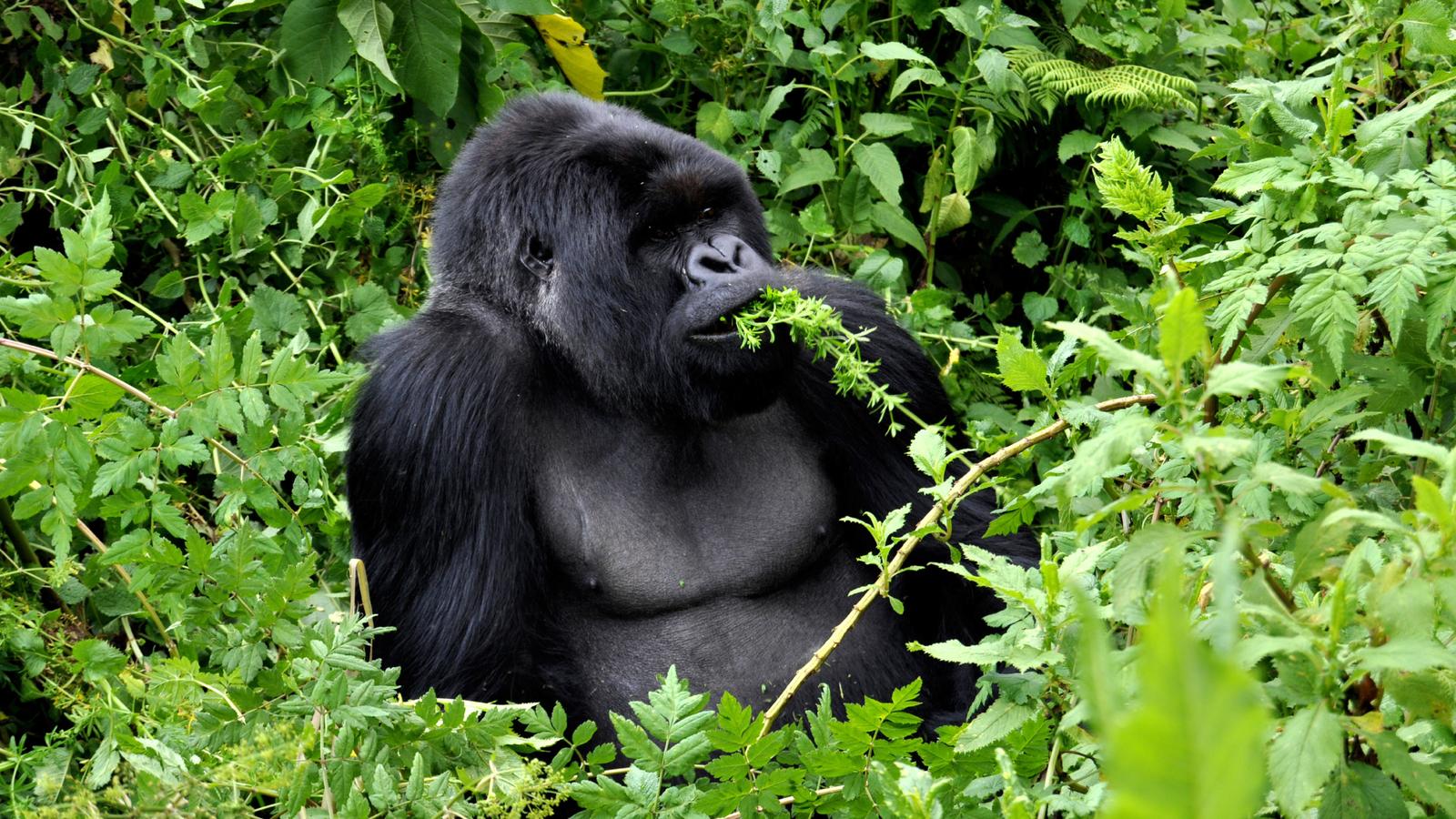
Before looking at how to save, it helps to understand where a Uganda safari budget is genuinely dominated by fixed, non-negotiable costs. Gorilla trekking permits represent by far the largest single expense on most itineraries, a fixed government fee that does not vary by operator or booking channel, meaning there is no meaningful way to find this specific cost cheaper through comparison shopping. Understanding this upfront helps budget travellers focus their cost-cutting efforts where they actually matter, accommodation, transport, and additional activities, rather than searching in vain for a discounted gorilla permit that simply does not exist.
Choosing Budget-Friendly Accommodation
Accommodation represents the area where budget travellers can make the single biggest difference to overall trip cost. Uganda’s national parks and gorilla trekking regions all offer a genuine range of options, from luxury lodges with infinity pools and personal butlers down to simple, clean guesthouses and community-run camps offering the same proximity to trailheads and wildlife at a fraction of the price. Budget accommodation near Bwindi, Queen Elizabeth, and other major parks generally still delivers comfortable beds, hot water, and decent meals, simply without the premium finishes and extensive amenities that drive luxury lodge pricing considerably higher.
Travelling in a Group
Group travel offers one of the most straightforward ways to reduce per-person costs on a Uganda safari, since vehicle hire, driver-guide fees, and even some accommodation costs are shared across more people rather than absorbed entirely by a solo traveller or couple. Joining a scheduled group departure, rather than booking a private, custom itinerary, can meaningfully lower costs for travellers with some flexibility on exact dates, since operators can spread fixed costs like vehicle hire across a fuller group.
Timing Your Trip Strategically
While gorilla trekking permits remain fixed regardless of season, accommodation rates at many lodges and camps fluctuate meaningfully between Uganda’s peak and shoulder seasons. Travelling during the wetter months, roughly March through May and October through November, generally brings noticeably lower accommodation rates alongside a quieter overall experience, a worthwhile trade-off for budget-conscious travellers willing to accept a somewhat higher chance of rain interrupting activities on any given day.
Prioritising Activities Wisely
Not every activity on a Uganda itinerary carries the same cost, and budget travellers benefit from being deliberate about which paid activities genuinely justify their price relative to free or low-cost alternatives. A single gorilla trekking permit delivers an experience widely considered worth its cost even by budget-conscious travellers, but stacking multiple expensive add-on activities, additional habituation experiences, private charter flights, or premium guided extras, can quickly inflate a budget trip back toward luxury-level spending without necessarily adding proportional value to the overall experience.
Self-Driving Versus Guided Tours
For travellers comfortable navigating unfamiliar roads and arranging their own logistics, self-driving through Uganda can reduce costs compared to a fully guided tour with a dedicated driver-guide throughout. This approach demands more planning, comfort with local driving conditions, and a genuine willingness to handle logistics independently, but it removes the daily driver-guide fee that represents a meaningful recurring cost on guided itineraries, particularly over a longer multi-week trip.
Combining Public and Shared Transport
Between major destinations, shared shuttle services and public transport options exist at considerably lower cost than private vehicle hire, though they demand more flexibility around timing and comfort compared to a dedicated private vehicle. Budget travellers with a genuinely tight budget and flexible schedule can meaningfully reduce transport costs by mixing these more affordable options with private transport reserved specifically for the less flexible legs of a trip, such as the final approach to a gorilla trekking trailhead on the morning of a permit date.
Eating Like a Local
Food costs add up meaningfully over a multi-week trip, and budget travellers who eat at local restaurants and roadside eateries rather than relying entirely on lodge dining rooms can reduce this cost considerably while also experiencing a more authentic taste of Ugandan cuisine. Most lodges and camps welcome guests eating some meals outside the property, and this flexibility gives budget travellers meaningful room to control food spending without sacrificing quality or variety.
What Not to Cut Corners On
Certain costs are worth protecting even on a tight budget, given how directly they affect safety and the overall quality of the experience. A reputable, licensed operator for gorilla trekking logistics matters considerably more than saving a small amount by booking through an unverified or unlicensed intermediary, and comprehensive travel insurance covering medical evacuation is a genuinely essential expense given the remote locations involved in most Uganda safari activities, not an area where cutting costs makes sense regardless of overall budget constraints.
Building a Realistic Budget Itinerary
A well-planned budget Uganda safari typically centres on a single gorilla trekking permit as the anchor expense, paired with budget accommodation, a mix of shared and private transport where sensible, and a deliberately limited selection of additional paid activities chosen for genuine value rather than simply filling out an itinerary. Structured this way, a genuinely rewarding Uganda safari remains achievable for travellers working with considerably less than the luxury end of the market typically suggests, proof that meaningful cost savings and a memorable, authentic Uganda experience are far from mutually exclusive.
Considering Uganda’s Second Gorilla Park
Beyond Bwindi Impenetrable Forest, Mgahinga Gorilla National Park offers an alternative gorilla trekking location that, depending on group size and timing, can sometimes offer a quieter, less heavily booked trekking experience. While permit pricing remains the same fixed government fee regardless of which park a permit is issued for, Mgahinga’s typically smaller crowds and combined proximity to golden monkey trekking can add value to a budget itinerary without additional cost, simply by choosing a less saturated trekking location within the same overall permit price.
Free and Low-Cost Activities Worth Prioritising
Not every memorable Uganda experience carries a significant price tag. Many towns and communities near major parks offer walking opportunities, local markets, and cultural encounters at minimal or no cost, activities that often deliver a more genuine sense of daily Ugandan life than some paid tourist activities specifically designed for visitors. Budget travellers who build in time for these lower-cost, more spontaneous experiences alongside their planned paid activities often come away with a richer, more well-rounded sense of the country than those who move directly between expensive, tightly scheduled activities without pause.
Negotiating and Booking Directly
Working directly with operators rather than through multiple layers of intermediaries can meaningfully reduce costs, since each additional booking layer typically adds its own margin to the final price quoted to travellers. Budget travellers willing to do the legwork of researching and contacting operators directly, rather than relying entirely on broad marketplace platforms or agents, often find meaningfully better rates for the same underlying accommodation and activities, particularly for smaller, locally run properties that may not have significant marketing budgets or third-party platform listings.
The Value of Traveling Independently Within Uganda
For travellers with more time than money, extending the overall trip length while keeping daily spending modest often works out considerably better value than compressing the same set of experiences into a shorter, more intensively scheduled and consequently more expensive itinerary. A longer, more relaxed pace also naturally reduces the temptation to book expensive add-on activities purely to fill otherwise idle time, since a more generous overall timeframe leaves room for lower-cost, unstructured exploration instead.
Currency and Payment Considerations
Understanding Uganda’s currency and payment landscape helps budget travellers avoid unnecessary costs from unfavourable exchange rates or excessive card fees. Carrying a mix of local currency for smaller purchases and daily expenses, alongside a card with reasonable international transaction fees for larger bookings, tends to minimise the cumulative cost of currency conversion and transaction fees that can otherwise quietly erode a carefully planned budget over the course of a multi-week trip.
Packing to Avoid Unnecessary Purchases
Arriving with the right gear already prepared, proper hiking boots, rain protection, layered clothing suited to Uganda’s varied climates, and basic first aid supplies, avoids the inflated prices often charged for last-minute purchases at lodges or gift shops near major parks. A modest investment in proper preparation before departure genuinely pays for itself many times over across the course of a trip, particularly for gear specific to gorilla trekking and forest walking that can be considerably more expensive to purchase locally near the parks themselves.
A Genuinely Achievable Budget Safari
With careful planning around the fixed costs that cannot be avoided, and deliberate, informed choices around the many costs that genuinely can be, a rewarding Uganda safari remains firmly within reach for travellers working with a considerably more modest budget than the luxury end of the market often implies is necessary. For travellers exploring budget-friendly Uganda gorilla trekking options, thoughtful planning across accommodation, transport, and activity selection makes the difference between an unnecessarily expensive trip and a genuinely well-value one delivering the same core Uganda safari experience.