
Gorilla Trekking + Nile Rafting: The Ultimate Uganda Adventure Weekend
Few combinations capture the range of what Uganda has to offer quite like pairing mountain gorilla trekking with white water rafting on the Nile. One delivers a quiet, profound wildlife encounter deep in ancient forest, the other an adrenaline-charged run through some of the most exciting commercially rafted rapids anywhere in the world. Together, they showcase two entirely different sides of Uganda’s adventure tourism scene within a single, well-planned trip.
Setting Realistic Expectations Around “Weekend”
Before diving into logistics, it is worth being upfront about one detail: Jinja, the rafting hub on the Nile’s source near Lake Victoria, and Bwindi Impenetrable Forest, Uganda’s primary gorilla trekking destination, sit roughly eight to nine hours apart by road. A literal two-day weekend covering both activities properly, rather than one rushed and one meaningful, simply is not realistic without private charter flights considerably beyond most travellers’ budgets. What most operators and experienced travellers actually mean by combining these two activities is a well-paced, adventure-focused trip of five to six days, still short relative to a full Uganda circuit, but genuinely achievable in a way a strict two-day weekend is not.
Day One: Kampala to Jinja
Most itineraries begin with a relatively short transfer from Kampala or Entebbe to Jinja, a drive of two to three hours that introduces travellers to Uganda’s eastern countryside before the day’s main event. Arrival with enough daylight allows for a look at the source of the Nile itself, the point where the river begins its long journey north, before settling in ahead of the following day’s rafting.
Day Two: White Water Rafting
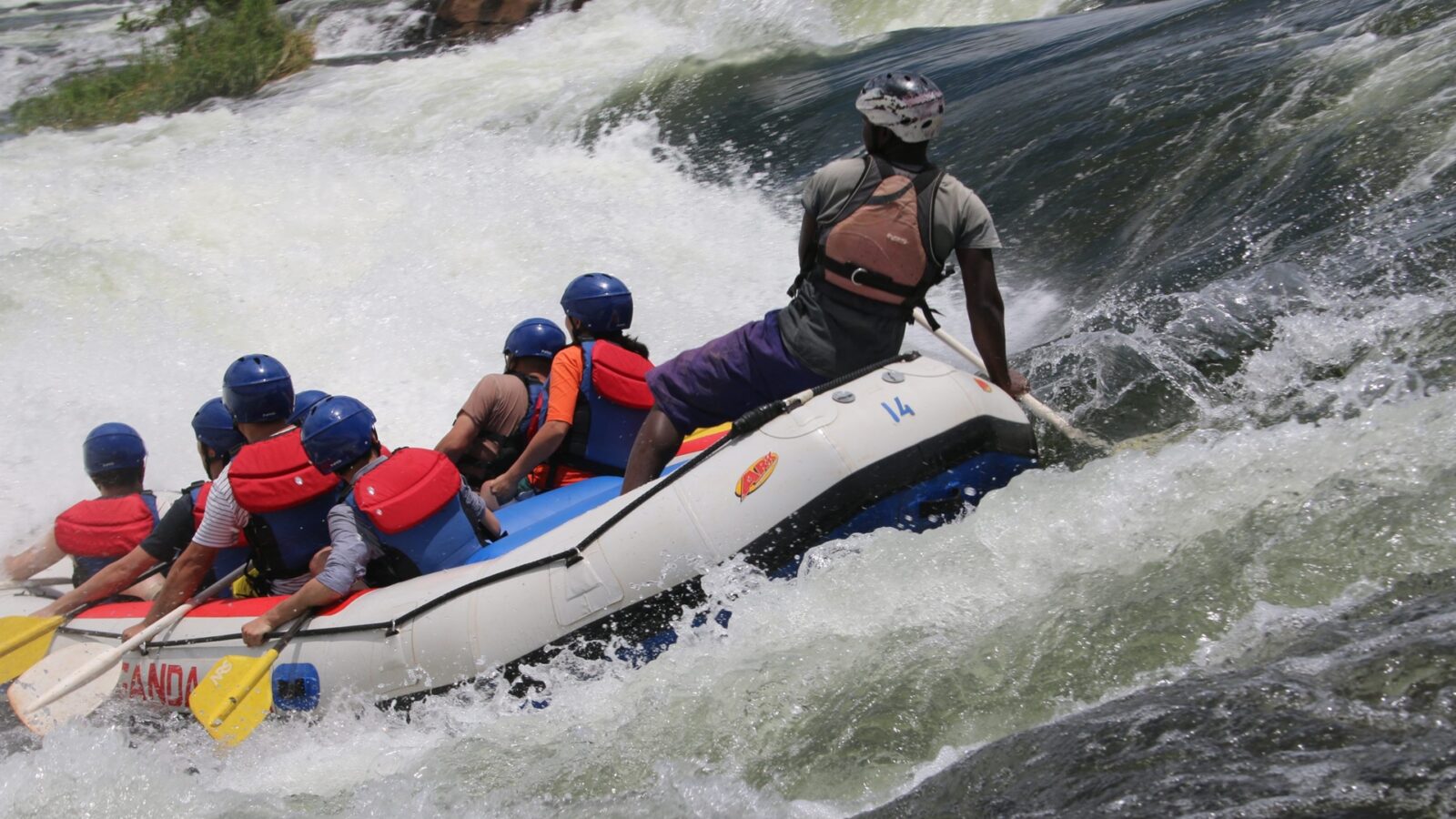
A full day of rafting on the Nile covers roughly twenty-one kilometres through a series of major rapids, some rated among the most thrilling commercially run white water anywhere on the planet. Sessions typically run between three and six hours on the water, and operators offer both full-rapid and calmer, family-friendly route options depending on a group’s appetite for intensity. This is, for most participants, one of the standout adventure activities of an entire Uganda trip, delivering genuine adrenaline in a way gorilla trekking, however extraordinary, simply does not.
Day Three: Travel Toward Bwindi
The transfer from Jinja to Bwindi is the itinerary’s most demanding logistical stretch, covering a genuine cross-country distance that consumes most of a full day. Building this transfer in as its own dedicated day, rather than trying to compress it alongside another activity, keeps the itinerary realistic and avoids the exhausted, rushed arrival that attempting to shortcut this leg would otherwise produce.
Days Four and Five: Bwindi and Gorilla Trekking
Arrival in Bwindi on day four allows time to rest and acclimatise before an early start on day five for gorilla trekking itself, the trip’s second headline activity and, for most travellers, the singular highlight of their entire Uganda visit. The physical and emotional contrast between the previous days’ Nile rafting and this quiet, forest-bound primate encounter is part of what makes the combination so compelling, two entirely different registers of adventure within a single trip.
Day Six: Return Journey
The final day is typically reserved for the return transfer toward Kampala or Entebbe, timed around departure flights for travellers whose trip concludes at this point, or connecting onward to further Uganda destinations for those with additional time.
Fitness Considerations for Both Activities
This combination places real physical demands on travellers across two very different activity types. Rafting requires reasonable swimming ability, comfort in and around fast-moving water, and the physical stamina to paddle and manage rapids across several hours on the river. Gorilla trekking demands a different kind of fitness, sustained hiking over steep, occasionally muddy terrain at altitude. Travellers considering this combination benefit from general cardiovascular fitness covering both activity types, rather than preparing narrowly for just one or the other.
Booking Both Activities Together
Given how central gorilla trekking permits are to securing a specific trekking date, most travellers coordinate permit booking first and build the rafting and travel logistics around that fixed date, rather than the reverse. Rafting bookings in Jinja are generally more flexible and easier to arrange on shorter notice than gorilla permits, making the gorilla trekking date the natural anchor point around which the rest of this itinerary should be planned.
Who This Combination Suits Best
This pairing appeals strongly to adventure-focused travellers who want their Uganda trip to deliver genuine adrenaline alongside its wildlife highlights, rather than a purely contemplative wildlife-viewing experience. It suits younger travellers, groups of friends, and couples specifically drawn to active, physically engaging trips over more relaxed, lodge-based safari itineraries, offering a distinctly different energy from a standard savannah-and-gorillas circuit.
A Genuinely Complementary Pair of Experiences
Gorilla trekking and Nile rafting sit at opposite ends of what adventure travel in Uganda can offer, one intense and physical, the other quiet and profound, and combining them into a single well-paced trip gives travellers a genuinely fuller picture of the country’s range. Built around Jinja’s white water rafting and a properly planned gorilla trekking leg further west, this combination remains one of the most exciting and well-rounded ways to experience Uganda’s adventure tourism scene in full.
What Makes Jinja’s Rapids So Highly Rated
The Nile at Jinja has earned a genuine international reputation among white water enthusiasts, and the river’s specific combination of big-volume rapids, warm water, and a relatively consistent flow throughout the year has made it a bucket-list destination for rafters well beyond the broader East African travel circuit. Grade five rapids, the highest commercially rafted classification, feature prominently on the full-day route, delivering a level of intensity that experienced rafters specifically travel to Uganda to experience, alongside gentler sections that keep the day varied rather than relentlessly intense from start to finish.
Alternative and Shorter Rafting Options
Travellers less confident about tackling the full grade five route can choose a calmer, family-friendly rafting option covering similar ground but bypassing the most intense rapids, a sensible choice for families, less experienced swimmers, or anyone simply wanting a taste of the Nile’s white water without the full adrenaline commitment. Half-day options exist too, for travellers with tighter schedules, though the full-day route remains the most popular choice given how much more of the river’s varied character it covers within a single outing.
Other Activities Around Jinja
Beyond rafting itself, Jinja has developed into a genuine adventure sports hub, with bungee jumping, kayaking, and stand-up paddleboarding all available for travellers wanting to extend their time in the area or simply try a different water-based activity alongside the main rafting excursion. Quad biking and mountain biking through the surrounding countryside offer land-based alternatives for travellers building in an extra day around Jinja before continuing on toward Bwindi, giving this leg of the itinerary genuine flexibility beyond the single headline rafting day.
Safety Standards and Choosing an Operator
Given the genuine intensity of grade five rapids, choosing an established, experienced rafting operator matters considerably, and travellers should look specifically for operators with strong safety records, properly certified guides, and modern safety equipment rather than simply selecting based on price alone. Reputable operators provide thorough safety briefings before setting out, position safety kayakers along the route to assist swimmers after any capsize, and carry established emergency protocols, standard practice among Jinja’s more established rafting companies given how seriously the local industry treats safety on water this genuinely demanding.
What to Pack for the Combined Trip
This itinerary demands packing for two very different activity types within a single trip. Quick-dry clothing, a spare set of dry clothes for after rafting, and secure footwear suited to being in and around water matter for the Jinja leg, while the gorilla trekking days require entirely different gear, sturdy waterproof hiking boots, rain protection, and layered clothing suited to cooler forest conditions at altitude. Packing consciously for both distinct legs of the trip, rather than assuming one set of gear will suit the entire itinerary, makes a meaningful difference to comfort across such a physically varied week.
Budget Considerations for This Adventure-Focused Itinerary
Beyond the gorilla trekking permit, the itinerary’s other major fixed cost, rafting fees and Jinja-area accommodation add a meaningful but considerably more modest expense to the overall trip budget. This combination tends to appeal to travellers already comfortable allocating a significant portion of their travel budget toward adventure activities specifically, making it a natural fit for younger travellers and groups prioritising active, adrenaline-driven experiences over the more purely wildlife-focused, vehicle-based itineraries that dominate much of Uganda’s broader tourism marketing.
Extending the Itinerary Further
Travellers with additional time can extend this core adventure-focused itinerary by adding chimpanzee tracking in Kibale Forest en route between Jinja and Bwindi, or a stop at Lake Mburo for a change of pace between the trip’s two most intense activity days. This flexibility means the core gorilla trekking and Nile rafting combination can function either as a standalone five to six day trip or as the adventure-focused backbone of a considerably longer Uganda itinerary, depending on how much total time a traveller has available.