
Gorilla Safari Combined with Beach: Uganda + Zanzibar Dream Holiday
Few combinations capture the full range of an East African holiday quite like pairing a Uganda gorilla trek with several days unwinding on Zanzibar’s white sand beaches. The two experiences could hardly be more different, dense misty forest and physically demanding trekking on one end, warm turquoise water and unhurried island days on the other, and that contrast is precisely what makes the combination so rewarding. Travellers who build this itinerary well come home having experienced both the most intense wildlife encounter Africa offers and one of the most relaxing coastal escapes on the continent.
Why Uganda and Zanzibar Work So Well Together
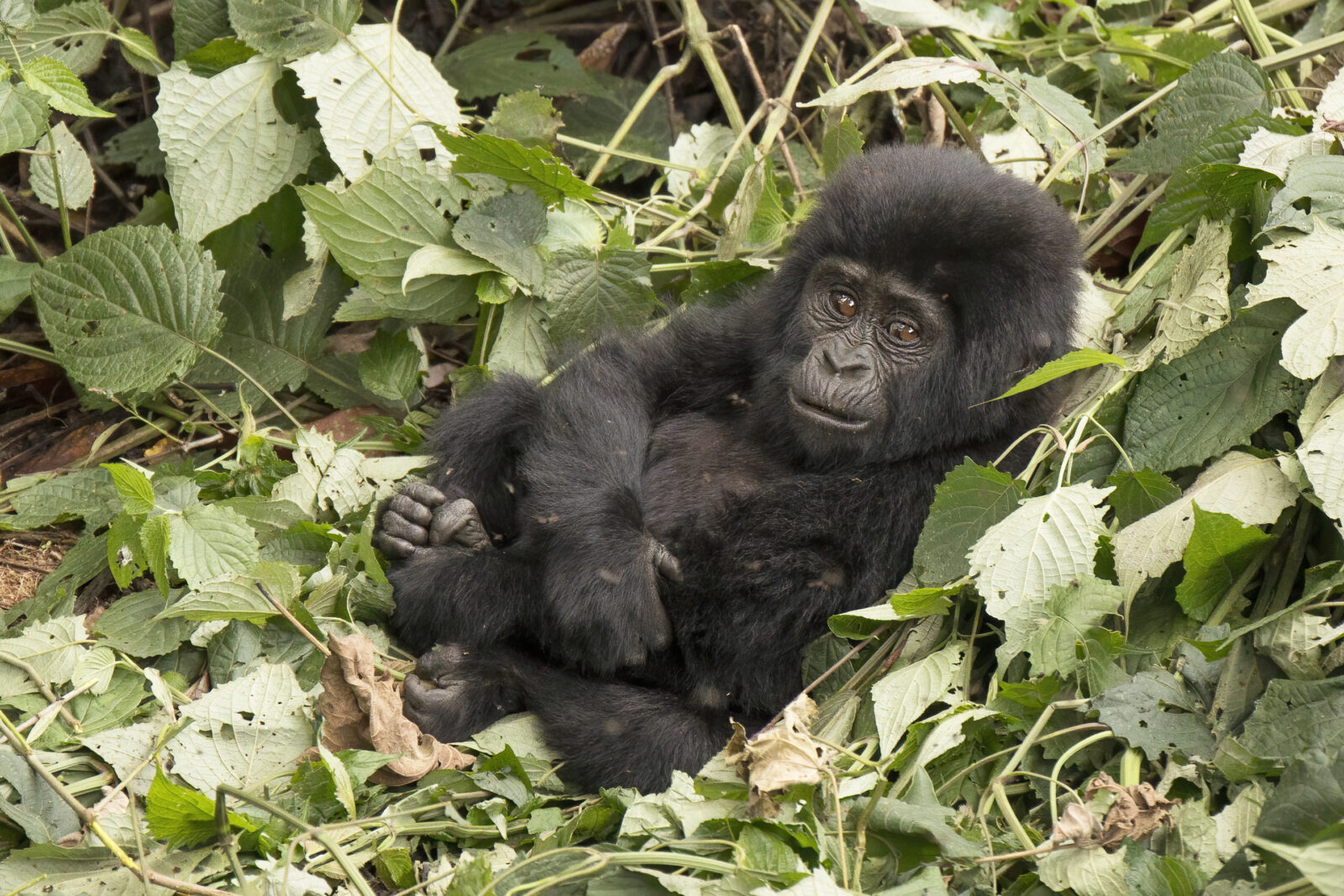
Uganda’s gorilla trekking, concentrated in Bwindi Impenetrable National Park, delivers an emotionally intense, physically demanding experience over a matter of days, hiking through dense forest, adjusting to altitude, and spending a single carefully regulated hour with a wild mountain gorilla family. Zanzibar, by contrast, asks nothing of travellers beyond showing up and slowing down. Sequencing the two so that the beach portion follows the trekking allows travellers to use the island as genuine recovery time, letting tired legs and adrenaline settle into something closer to pure relaxation, rather than attempting to layer an intense wildlife experience on top of an already worn-out body.
Getting Between Uganda and Zanzibar
The logistics connecting these two destinations are more straightforward than the geographic distance might suggest. Most itineraries route travellers from Entebbe International Airport through Nairobi, Addis Ababa, or Dar es Salaam to Zanzibar’s Abeid Amani Karume International Airport, with several airlines offering reasonably convenient connections that avoid excessively long layovers. Travel agents experienced in combining these two destinations typically build in at least one full transit day between the trekking portion and the beach portion, avoiding the temptation to rush directly from a muddy forest hike straight onto a beach flight without any buffer for rest, laundry, and general decompression.
Structuring the Itinerary: Gorillas First, Beach Second
The overwhelming majority of successful combination itineraries place gorilla trekking at the start of the trip and Zanzibar at the end, and for good reason. Trekking requires a level of physical readiness and mental focus that’s considerably easier to muster at the beginning of a holiday than after several days of beach lounging have thoroughly relaxed both body and mind. Ending on Zanzibar also means travellers fly home with sand between their toes and a tan rather than sore legs and mud-caked boots, a psychologically satisfying way to close out a trip that began with genuine physical exertion.
How Many Days to Budget for Each Leg
A realistic combination itinerary typically runs ten to fourteen days total, with three to four days dedicated to the Uganda portion, covering travel to Bwindi, the trek itself, and a buffer day, and five to seven days on Zanzibar, enough time to genuinely unwind rather than feeling rushed through the island. Travellers with more limited time can compress the Uganda portion to as little as two full days if flights and logistics align well, though this leaves little margin for delays, weather disruptions, or simply wanting an extra rest day between the flight into Uganda and the trek itself.
Choosing Where to Stay on Zanzibar
Zanzibar offers distinctly different coastal experiences depending on where travellers base themselves, from the historic, culturally rich Stone Town on the west coast to the quieter, more resort-focused beaches of the northeast around Nungwi and Kendwa, and the tidal, seaweed-farming coastline of the southeast around Paje and Jambiani. Travellers seeking pure relaxation after a physically demanding gorilla trek generally gravitate toward the calmer, more sheltered beaches of the northeast, while those wanting a mix of culture and coastline often split their time between Stone Town and a beach resort elsewhere on the island.
What to Pack for Both Legs of the Trip
Packing for a combination trip requires genuine thought given how different the two environments are, waterproof hiking boots, layered clothing, and gardening gloves for the forest portion, and light, breathable clothing along with reef-safe sunscreen for the beach portion. Rather than carrying full trekking gear all the way through the Zanzibar leg, many travellers arrange to leave bulkier hiking equipment at their Uganda accommodation or with their tour operator, collecting it only on the return journey, keeping the beach portion of the trip genuinely light and uncomplicated.
Budgeting for a Two-Country, Two-Experience Trip
Combination trips carry meaningfully higher costs than a single-destination holiday, driven primarily by the $800 Uganda gorilla permit, international and regional flight connections, and accommodation across two very different destinations. Travellers should budget realistically for both legs rather than assuming savings on one side will offset costs on the other, and working with a tour operator experienced in combination itineraries, rather than booking each leg entirely independently, often produces smoother logistics and better overall value than piecing the trip together from scratch.
Working with a Tour Operator for Seamless Logistics
Given the genuine logistical complexity of combining a landlocked Ugandan national park with an Indian Ocean island, most successful combination trips are built with the help of a tour operator experienced in arranging both legs, coordinating permit bookings, flight connections, and accommodation transitions so that travellers aren’t left managing multiple independent bookings and potential timing conflicts on their own. This coordination becomes particularly valuable when flight schedules shift or gorilla trekking dates need adjustment, situations considerably easier to resolve through an operator with established relationships across both destinations than through independent booking channels.
Health and Practical Considerations Across Two Very Different Environments
Travelling between Uganda’s forested highlands and Zanzibar’s tropical coastline means adjusting to genuinely different health and practical considerations across the trip, malaria precautions relevant in both locations, yellow fever vaccination requirements for Uganda, and the general heat and humidity adjustment travellers experience moving from Bwindi’s cooler elevation to Zanzibar’s warm coastal climate. Packing a basic travel health kit covering both environments, and confirming vaccination and travel health requirements well before departure, prevents last-minute complications during what should otherwise be a smoothly sequenced holiday.
Balancing Adventure and Relaxation in a Single Trip
What ultimately makes the gorilla-and-beach combination so appealing is how deliberately it balances two entirely different kinds of travel satisfaction within a single, coherent trip, the profound, adrenaline-charged wildlife encounter that gorilla trekking delivers, followed by the unhurried, sensory pleasure of island time on Zanzibar. Travellers who might otherwise feel torn between an adventure-focused safari and a purely relaxing beach holiday no longer need to choose, and the sequencing itself, intensity first, relaxation second, tends to produce a far more satisfying overall trip than either experience could deliver entirely on its own.
Alternative Sequencing: Beach First, Gorillas Second
While the majority of travellers prefer trekking before beach time, a smaller number choose the reverse sequence deliberately, using several relaxed days on Zanzibar to adjust to East African time zones and generally settle into holiday mode before tackling the physical demands of gorilla trekking. This approach can work well for travellers who find that arriving jet-lagged and immediately attempting a strenuous forest hike produces more stress than reward, though it does mean ending the trip on a physically demanding note rather than a purely relaxing one, a trade-off worth considering honestly before committing to either sequence.
Combining with a Third Destination
Some travellers extend this already ambitious combination further still, adding a few days in Rwanda for an additional gorilla trekking permit, a Serengeti safari extension, or a stopover in Nairobi or Addis Ababa given the flight routing already required to connect Uganda and Zanzibar. While this level of multi-country complexity isn’t for every traveller, those with sufficient time and budget often find that the flight connections already necessary to link Uganda and Zanzibar make adding a third stop considerably more efficient than it would be as an entirely separate trip planned later.
Best Time of Year for the Combined Trip
Timing a combined itinerary well means accounting for weather patterns in both locations, Uganda’s dry seasons from June to September and December to February generally offering the most comfortable trekking conditions, while Zanzibar’s own dry season runs roughly from June to October, creating a genuinely favourable overlap window for travellers hoping to enjoy good weather across both legs of the trip. Travelling outside this overlap isn’t necessarily a dealbreaker, since Uganda’s rain rarely cancels treks and Zanzibar remains warm year-round, but travellers particular about minimising rain on both ends of the trip should prioritise this June-to-September window when planning.
Making the Most of a Once-in-a-Lifetime Combination
For travellers with the time and budget to genuinely commit to it, few itineraries deliver quite the range of experience that a Uganda gorilla trek combined with Zanzibar beach time offers within a single, well-sequenced trip. Building the itinerary around a Uganda gorilla trekking package with a considered transition to Zanzibar afterward gives travellers the best of both worlds, without forcing them to compress two fundamentally different kinds of travel experience into something less satisfying than either deserves on its own.