
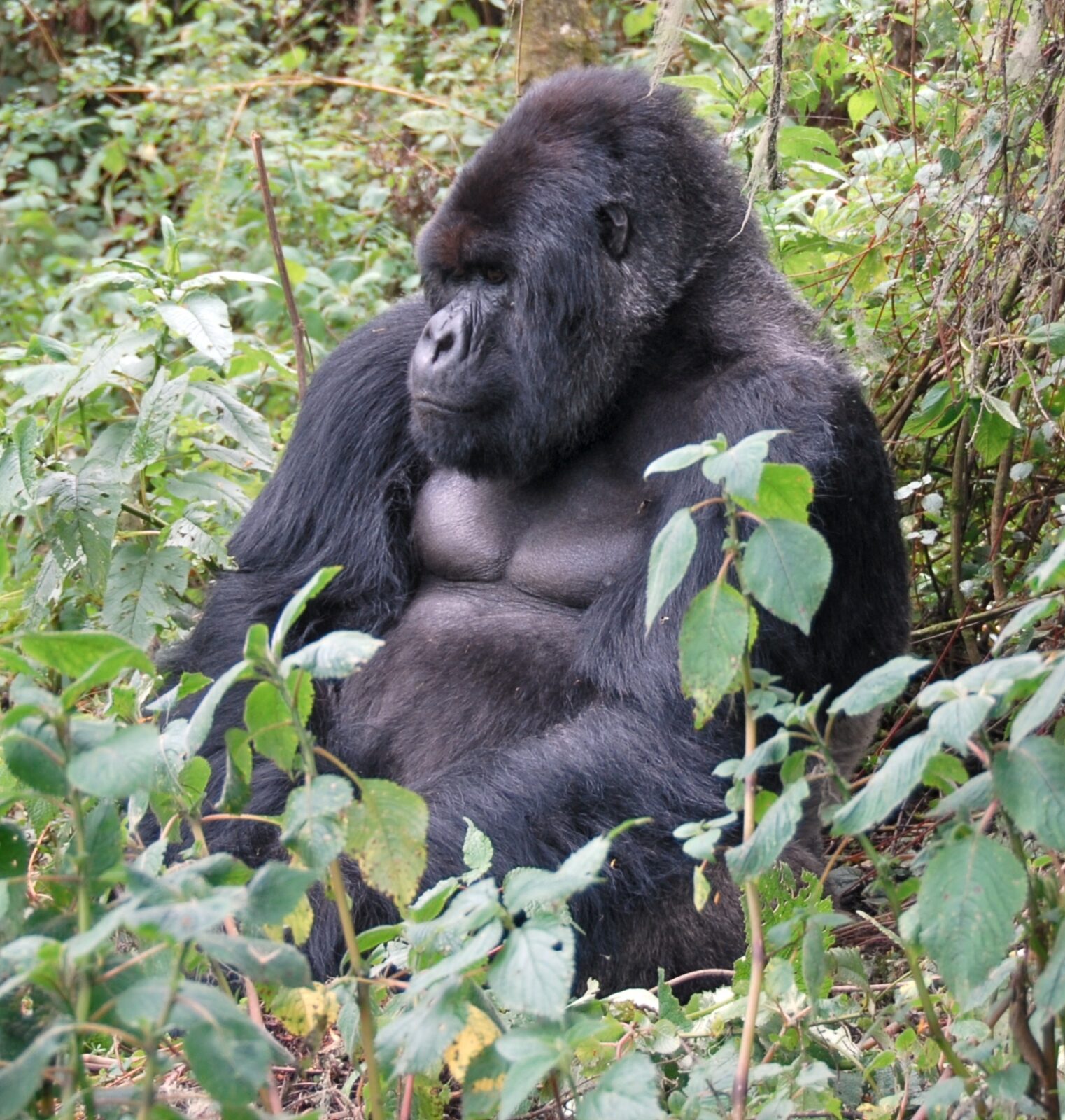
Can Gorilla Trekking Permits Sell Out? When & How to Avoid Missing Out
Yes, gorilla trekking permits genuinely can and do sell out, particularly during peak season months, and travellers who assume they can book spontaneously close to their travel dates frequently find themselves disappointed, forced either to shift their itinerary or abandon the gorilla trekking portion of their trip entirely. Understanding exactly when permits are most likely to sell out, and how far in advance to book to avoid this risk, makes the difference between a smoothly planned trip and a last-minute scramble.
Why Gorilla Permits Have Limited Availability
Unlike standard park entry, gorilla trekking permits are deliberately capped at a strict daily limit, one permit per visitor per habituated gorilla family, with each family allowing a maximum of eight trekkers per day. This cap exists specifically to protect gorilla welfare, limiting daily human contact and disturbance, meaning the total number of permits available on any given day is fixed and cannot be expanded regardless of demand, a fundamentally different, deliberately constrained supply model from most other tourism activities travellers are accustomed to booking.
Peak Season Months Carry the Highest Sell-Out Risk
Uganda and Rwanda’s dry season months, roughly June through September and December through February, see considerably higher demand than the wetter shoulder and low season months, as these periods offer the most comfortable trekking conditions and align with peak international holiday travel periods. December specifically sees an additional demand surge tied to Christmas and New Year travel, making it one of the highest-risk months for permits selling out well in advance of typical booking timelines.
How Far in Advance Permits Typically Sell Out
During peak months, particularly in Rwanda given its smaller overall permit pool, permits can sell out three to six months in advance, and popular specific dates, weekends and holiday periods especially, sometimes sell out even further ahead. Uganda’s larger permit pool across four trekking sectors generally offers somewhat more breathing room, but travellers hoping to secure permits for popular dates during peak months should still avoid waiting until the final weeks before travel to begin the booking process.
Booking Timeline Recommendations by Travel Season
For peak season travel, June through September or the December holiday period, booking permits four to six months ahead offers a genuinely comfortable safety margin, while shoulder season travel, roughly October through November and March through May, generally allows somewhat more flexibility with two to three months’ advance booking often sufficient. Low season travel carries the lowest sell-out risk, though booking at least a month ahead remains sensible given that availability, while generally better, is never entirely guaranteed even during quieter periods.
What Happens If Your Preferred Dates Are Sold Out
Travellers who discover their preferred dates are already sold out have several realistic options still available to them, shifting to nearby available dates within the same trip window, considering the alternative country if one destination shows availability while the other doesn’t, or in Uganda’s case, checking availability across different trekking sectors, since Buhoma, Ruhija, Rushaga, and Nkuringo don’t necessarily sell out simultaneously. An experienced tour operator can check availability across these options considerably faster than an individual traveller working through the process independently.
The Value of Booking Through an Established Operator
Tour operators with established relationships with the Uganda Wildlife Authority and Rwanda Development Board often have better real-time visibility into current permit availability than individual travellers attempting to check independently, and in some cases can access permits held in reserve for trade partners even when general public availability appears exhausted. This advantage alone often justifies working through an operator rather than attempting entirely independent booking, particularly for travellers with limited date flexibility.
Group Bookings and Larger Party Considerations
Larger travelling parties face compounded sell-out risk, since securing, for example, six or eight permits together for the same date and gorilla family requires considerably more available capacity than a solo traveller or couple needs, making early booking even more essential for groups. Families or groups of friends planning to trek together should generally begin the booking process earlier than smaller parties, given the mathematically higher likelihood that securing the full group’s required permits together becomes constrained as availability tightens.
Seasonal Flexibility as a Sell-Out Avoidance Strategy
Travellers with genuine flexibility around travel dates hold a significant advantage in avoiding sell-out disappointment, since shifting a trip by even a few weeks outside the most concentrated peak demand windows, late December specifically, can meaningfully improve permit availability without sacrificing much in terms of trekking conditions. This flexibility becomes particularly valuable for travellers planning around external constraints like work schedules or school holidays, where even modest adjustment to exact dates within a broader acceptable window can open up considerably better availability.
Monitoring Availability as Travel Dates Approach
Even after an initial availability check shows permits sold out for a specific date, occasional cancellations do free up permits closer to the trekking date itself, meaning travellers with some flexibility willing to monitor availability periodically sometimes secure permits that appeared entirely unavailable weeks earlier. Working with a tour operator who actively monitors this kind of last-minute availability considerably improves the odds of capitalising on these occasional openings compared to checking independently on an ad hoc basis.
Planning Your Trip Around Permit Booking Realities
Given how genuinely constrained gorilla permit availability can become during peak periods, the most reliable approach to trip planning involves securing permits as one of the very first steps, before finalising flights, accommodation, or other itinerary elements, rather than treating permit booking as a final logistical detail to sort out later. This sequencing matters considerably, since building an entire itinerary around assumed permit availability, only to discover preferred dates are sold out, creates far more disruptive replanning than adjusting other trip elements around confirmed permit dates from the outset.
Booking With Confidence
Understanding that gorilla permits genuinely can sell out, and building booking timelines accordingly, transforms what could otherwise become a stressful, last-minute scramble into a straightforward, well-managed part of trip planning. Travellers ready to begin planning a Uganda gorilla trekking safari should treat permit booking as an early priority rather than an afterthought, particularly for travel planned during any of the peak season windows outlined above.
How Rwanda’s Permit Scarcity Differs From Uganda’s
Rwanda’s smaller overall permit pool relative to demand means sell-out risk in Volcanoes National Park tends to materialise earlier and more consistently than in Uganda, particularly for the country’s most popular gorilla families and during the busiest travel weeks of the year. Travellers set on trekking specifically in Rwanda, rather than remaining open to either destination, should factor this heightened scarcity into their planning timeline, generally erring toward the earlier end of any recommended booking window given the country’s comparatively tighter capacity.
Signs That a Popular Date Is at High Risk of Selling Out
Certain warning signs suggest a specific date carries elevated sell-out risk, falling on or near a major holiday period, coinciding with school break windows in key source markets, or sitting squarely within the heart of peak dry season months. Travellers noticing their preferred date matches several of these risk factors simultaneously should treat early booking as considerably more urgent than they might for a date falling outside these higher-demand windows.
Combining Permit Booking With Broader Trip Insurance
Given how far in advance many travellers now commit financially to a non-refundable gorilla permit, arranging travel insurance that specifically covers trip cancellation or interruption adds a valuable layer of protection against unforeseen circumstances arising between booking and the actual trekking date. This becomes particularly relevant for travellers booking permits many months ahead precisely to avoid sell-out risk, since that extended booking window also means a longer period during which unexpected life events could potentially disrupt travel plans already financially committed to a specific date.
Why Waiting Rarely Pays Off
Some travellers deliberately delay booking, hoping for last-minute discounts or simply postponing a decision they haven’t yet fully committed to, but unlike airline tickets or many hotel bookings, gorilla permits offer essentially no financial incentive for waiting, prices remain fixed regardless of how close to travel the booking happens, and the only realistic outcome of delay is reduced availability rather than any pricing advantage. This makes the standard “wait and see” booking strategy travellers might apply elsewhere genuinely counterproductive when it comes to securing gorilla trekking permits for anything approaching a specific, preferred date.
The Bottom Line on Permit Sell-Outs
Gorilla permits selling out isn’t a rare edge case worth dismissing but a genuinely common occurrence during peak periods, and travellers who internalise this reality early in their planning process consistently end up with smoother, less stressful trip preparation than those who discover the constraint only after their preferred dates have already disappeared. Booking early, remaining flexible where possible, and working with an operator who can move quickly on availability together give travellers the best realistic chance of securing exactly the trekking experience they’re hoping for, on exactly the dates that work best for their broader travel plans.