
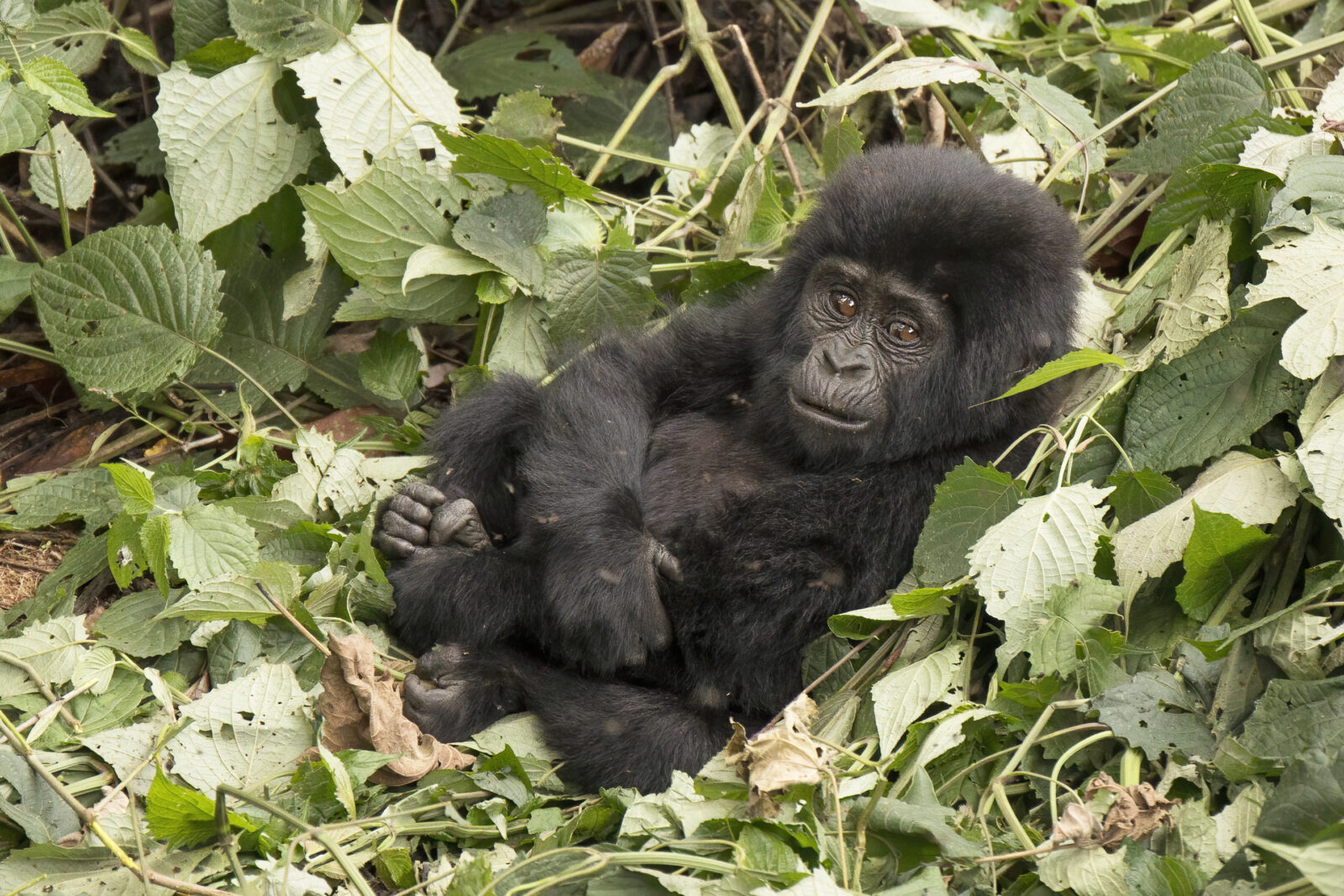
Do You Need a Guide for Gorilla Trekking in Uganda?
Yes, a guide is mandatory for gorilla trekking in Uganda, not an optional convenience travellers can decline in favour of independent exploration. Every trekking group is led by armed Uganda Wildlife Authority ranger guides, and no visitor is permitted to enter gorilla habitat without this official guiding structure in place, a requirement rooted firmly in genuine safety, conservation, and legal considerations rather than simple tourism convention or added-cost upselling.
Why Guiding Is Legally Required, Not Optional
Uganda Wildlife Authority regulations mandate ranger guide accompaniment for every single gorilla trekking group, a rule enforced without exception regardless of a traveller’s prior wilderness experience, physical fitness, or familiarity with the specific trekking sector. This requirement exists because ranger guides serve functions far beyond simple navigation, tracking gorilla movement, managing group behaviour around the animals, and responding to safety situations that require specific trained expertise unavailable to even experienced independent travellers.
What Ranger Guides Actually Do During a Trek
Beyond leading trekkers through often-challenging forest terrain, ranger guides maintain constant radio communication with trackers who have typically located the assigned gorilla family earlier that morning, allowing the guide to navigate directly toward the gorillas’ current position rather than searching blindly. Guides also enforce the mandatory distance and behavioural rules once gorillas are located, managing group positioning, noise levels, and movement to minimise stress on the gorilla family while maximising the safety and quality of the encounter for trekkers.
Tracker Teams Working Ahead of the Group
Separate from the ranger guide leading each trekking group, dedicated tracker teams typically head into the forest before dawn, locating the assigned gorilla family’s current position based on the previous day’s known location and expected movement patterns. This tracker system considerably reduces actual trekking time for visitors, since guides can navigate with real information about the gorillas’ approximate location rather than conducting an open-ended search through dense forest terrain.
Safety Reasons Behind Mandatory Guiding
Uganda’s forest parks host genuinely dangerous wildlife beyond gorillas themselves, forest elephants, buffalo, and various snake species among them, and ranger guides carry both the training and, in many cases, firearms necessary to manage encounters with these animals safely should they arise unexpectedly during a trek. Independent travellers without this training and equipment would face genuinely elevated risk navigating gorilla habitat alone, quite apart from the near-impossibility of locating a specific gorilla family without trained tracker support.
Conservation Reasons for Mandatory Guiding
Beyond safety, mandatory guiding serves a critical conservation function, ensuring that every interaction between trekkers and gorillas follows strict protocols designed to protect gorilla welfare, minimum distance requirements, limits on group size and visit duration, and immediate intervention if a gorilla shows signs of stress or agitation. Without trained guides enforcing these protocols consistently, the cumulative impact of tourist visits on habituated gorilla families would pose a genuinely serious risk to their long-term wellbeing and the broader conservation programme’s success.
Porters: An Optional but Valuable Addition
While ranger guides are mandatory, porters represent a genuinely optional addition that most experienced trekkers still recommend, community members hired to carry daypacks and provide physical assistance navigating Bwindi’s often steep, muddy terrain. Unlike the mandatory ranger guide, hiring a porter is entirely a traveller’s choice, though the modest cost involved delivers both practical trekking assistance and direct economic benefit to communities living around the park.
What Guiding Costs and How It’s Included
Ranger guide services are included within the standard gorilla trekking permit fee rather than representing a separate additional cost, meaning travellers don’t need to budget separately for this mandatory guiding beyond the permit price itself. Porter fees, by contrast, are paid separately and directly to the individual porter, typically a modest amount that most travellers consider well worth the practical assistance and community benefit it provides.
Group Size and Guide-to-Trekker Ratios
Each trekking group, capped at a maximum of eight visitors per gorilla family, is accompanied by at least one primary ranger guide along with additional armed rangers providing security support, particularly in park sectors where dangerous wildlife encounters are more likely. This structure ensures guides can maintain genuine control and oversight of relatively small groups throughout the trek, rather than attempting to manage larger, harder-to-coordinate parties through challenging forest terrain.
Guide Expertise Beyond Gorilla Tracking
Experienced ranger guides typically bring considerable broader knowledge beyond simply locating gorillas, identifying bird species, explaining forest ecology, and sharing insight into the specific gorilla family’s history and individual personalities that considerably enriches the overall trekking experience beyond the hour spent directly with the gorillas themselves. Travellers who engage actively with their guide throughout the trek, asking questions and showing genuine curiosity, often come away with a considerably richer understanding of Bwindi’s broader ecosystem than those who remain purely focused on reaching the gorillas.
What Happens If You Request No Guide
There is simply no mechanism through which a traveller can request to trek without a ranger guide, the Uganda Wildlife Authority does not offer, and would not permit, an independent or self-guided gorilla trekking option under any circumstances. Travellers should approach the entire experience with the understanding that guided access is a fundamental, non-negotiable structural feature of gorilla trekking in Uganda, not a service level choice comparable to, say, choosing between a guided or self-drive game drive elsewhere.
Trusting the System
Far from being a limitation, Uganda’s mandatory guiding structure represents one of the key reasons gorilla trekking remains both genuinely safe for visitors and sustainably managed for gorilla welfare, and travellers should approach their assigned ranger guide as an essential, expert partner in the experience rather than a bureaucratic requirement to tolerate. Anyone planning a Uganda gorilla trekking safari can trust that the mandatory guiding system exists specifically to make the experience as safe and rewarding as possible, for trekkers and gorillas alike.
How Guides Are Trained and Certified
Uganda Wildlife Authority ranger guides undergo formal training covering wildlife behaviour, first aid, firearms handling where relevant, and the specific protocols governing gorilla encounters, alongside extensive practical field experience gained before being certified to lead trekking groups independently. This training pipeline ensures a consistent, professional standard across guides regardless of which trekking sector or specific gorilla family a visitor is assigned to, giving travellers genuine confidence in the overall guiding quality regardless of exactly where in Bwindi their particular trek happens to take place.
Language and Communication During Treks
Most Uganda Wildlife Authority guides speak English fluently alongside local languages, ensuring clear communication with international visitors throughout the trek, from safety briefings before departure to real-time instructions once gorillas are located. Travellers with specific language needs beyond English should communicate this to their tour operator in advance, since some sectors and specific guides may offer additional language capability, French or other languages, depending on individual guide backgrounds and current staffing.
Building a Genuine Relationship With Your Guide
Many returning gorilla trekkers describe their relationship with their assigned ranger guide as one of the most memorable aspects of the entire experience, a knowledgeable, engaged professional whose expertise and evident passion for the gorillas considerably shapes how meaningful the encounter ultimately feels. Approaching the trek as a genuine collaborative experience with your guide, rather than simply a logistical requirement to get through, tends to produce a noticeably richer, more personally resonant memory of the entire day.
Tipping Guides and Trackers
While not formally mandatory, tipping ranger guides, trackers, and porters at the end of a trek is a widely observed and expected practice, reflecting genuine appreciation for the considerable skill, effort, and often physically demanding daily work involved in delivering a consistently successful gorilla encounter. Most tour operators provide clear guidance on appropriate tipping amounts, and travellers should budget for this as a standard, fully anticipated part of overall trip costs rather than treating it as an unexpected additional expense discovered only on the ground.
Guides in Rwanda and the Democratic Republic of Congo
The mandatory guiding requirement applies identically across all three countries offering mountain gorilla trekking, Uganda, Rwanda, and the Democratic Republic of Congo, each managed by their respective national wildlife authority following broadly similar training, safety, and conservation protocols. Travellers combining gorilla trekking across multiple countries within a single trip should expect this same fundamental guiding structure regardless of which specific national park or country they happen to be visiting at the time.
What to Bring for Your Guide’s Benefit
Coming prepared with appropriate gear, sturdy waterproof boots, rain protection, and adequate water, makes a guide’s job considerably easier, since less time spent managing an underprepared trekker’s discomfort or difficulty means more attention available for the group’s overall safety and the quality of the gorilla encounter itself. Travellers who arrive well-prepared and attentive to their guide’s instructions throughout the trek consistently report smoother, more enjoyable experiences than those who arrive underprepared and require additional management and assistance throughout the hike, allowing the guide to focus fully on the group’s shared goal of a safe, rewarding gorilla encounter rather than troubleshooting avoidable preparation gaps along the way.