
What Time Does a Gorilla Trek Start in Bwindi?
Gorilla trekking in Bwindi Impenetrable National Park begins with an early morning registration briefing, typically starting around 7:30 to 8:00am, at one of the park’s four trekking sector headquarters, Buhoma, Ruhija, Rushaga, or Nkuringo. Understanding the full timeline of a trekking day, from the pre-dawn preparation through to the actual physical forest hike itself, helps travellers arrive properly prepared and genuinely avoid the stress of a rushed, disorganised start to what is typically the highlight of their entire Uganda trip.
The Pre-Dawn Start Most Travellers Don’t Anticipate
While the official briefing begins around 7:30 to 8:00am, most travellers’ actual day starts considerably earlier, since accommodation near Bwindi is often positioned some distance from the specific sector headquarters, meaning an early breakfast and departure from the lodge, sometimes as early as 5:30 or 6:00am, is often necessary to arrive on time. Travellers staying at lodges further from their assigned sector should confirm exact travel time with their accommodation or tour operator well before trekking day to avoid an unexpectedly early or rushed morning.
The Morning Briefing: What Actually Happens
The registration briefing itself covers essential trekking information, an overview of the rules governing gorilla encounters, safety guidelines, and the assignment of specific trekking groups to specific gorilla families based on group composition, general fitness level, and, to some extent, personal preference where flexibility allows. This briefing typically includes cultural performances by local community groups in several sectors, adding a genuinely enjoyable, if practical, warm-up to the morning before the actual trekking begins.
Group Assignment and Why It Matters for Timing
Following the briefing, UWA rangers assign each group of up to eight trekkers to a specific gorilla family, a decision partly informed by each family’s most recently reported location, since families known to be further from the trailhead are typically assigned to physically stronger, more experienced trekkers to manage the correspondingly longer hike. This assignment process directly affects how long the subsequent trek will take, some groups reach their assigned gorilla family within thirty minutes, others face a considerably longer multi-hour hike depending entirely on where that particular family happens to be that morning.
When the Actual Trek Begins
Once briefing and group assignment are complete, typically wrapping up by around 8:30 or 9:00am, trekking groups set off into the forest accompanied by their assigned ranger guide, beginning the physical hike toward wherever trackers have most recently located the gorilla family. This start time can shift somewhat depending on the specific sector and how efficiently the morning’s briefing and assignment process moves, making it sensible to treat 8:30 or 9:00am as an approximate rather than a precise guaranteed departure time.
How Long the Trek Itself Takes
Trekking duration varies enormously depending on gorilla family location on a given day, ranging from a remarkably short thirty-minute walk to a genuinely demanding six-to-eight-hour hike through steep, dense forest terrain. This unpredictability is simply an inherent feature of tracking wild animals rather than a planning failure, and trekkers should mentally prepare for the possibility of a considerably longer day than the shortest-case scenario, even while hoping for a shorter, easier trek.
The One-Hour Gorilla Encounter Itself
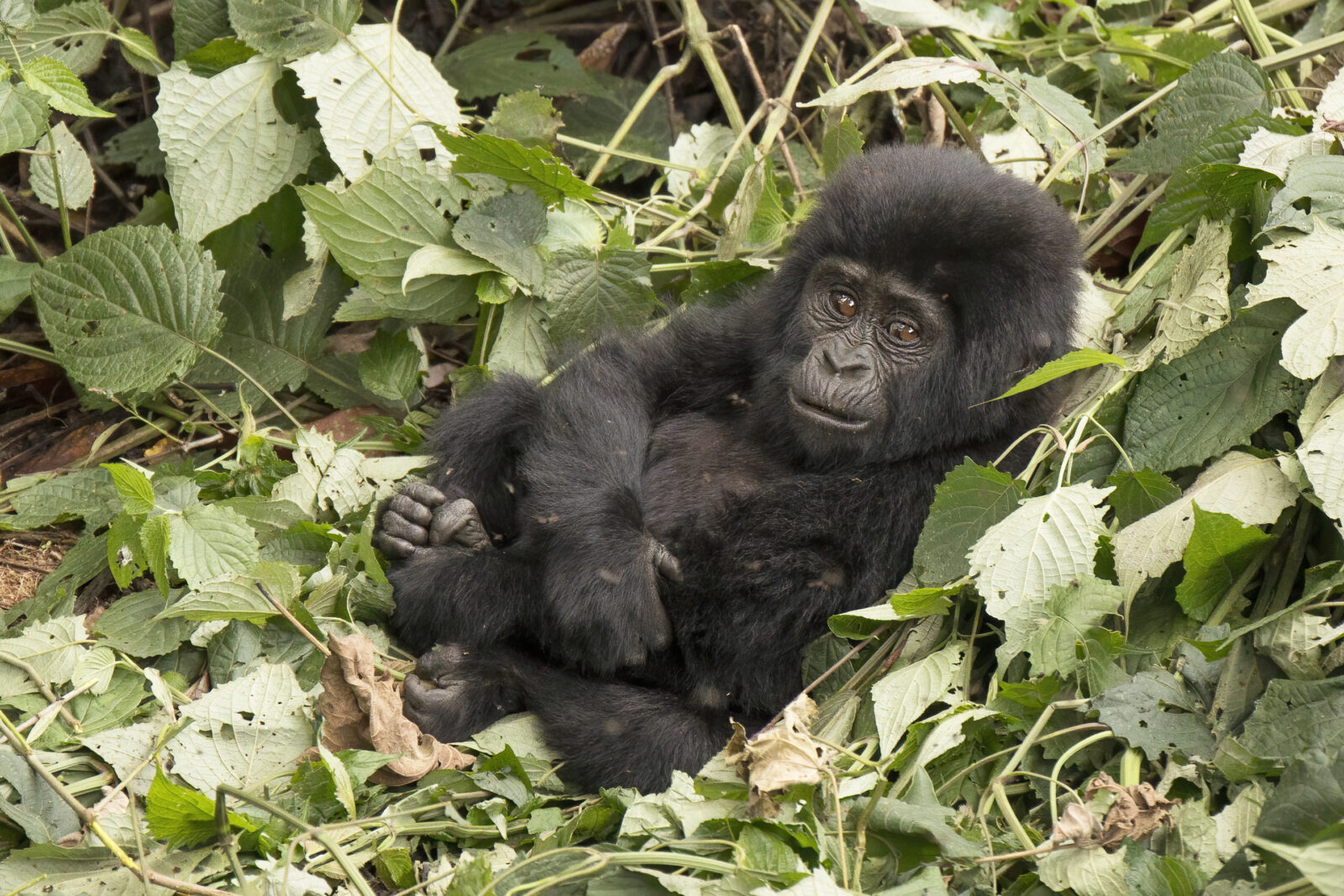
Once trackers and guides locate the assigned gorilla family, trekkers are given exactly one hour with the gorillas, a strictly enforced limit designed to minimise stress and disease transmission risk to the habituated family. This hour, however the surrounding trek unfolds, remains the fixed centrepiece of the entire day, and guides monitor time carefully to ensure the group departs promptly once the allocated hour concludes, regardless of how compelling the encounter feels in the moment.
Return Journey and Typical Finish Times
After the gorilla encounter concludes, trekkers retrace their route back to the trailhead, a return journey roughly matching the outbound trek’s duration, meaning groups assigned to nearby gorilla families might finish by early afternoon, while those tracking more distant families sometimes don’t return until late afternoon or early evening. Travellers should avoid scheduling anything time-sensitive immediately after a planned trekking day, given this genuine uncertainty around exact finish time.
Certificate Presentation and Trek Conclusion
Many sectors conclude the trekking day with a certificate presentation back at the sector headquarters, a small but meaningful acknowledgment of having successfully completed the trek, before trekkers finally depart for their accommodation, typically ready for a well-earned rest after what is usually a physically demanding, emotionally memorable day.
How Weather Affects Start Times
Bwindi’s weather can occasionally affect the practical start of trekking, heavy overnight or early morning rain sometimes delaying the trackers’ ability to locate gorilla families efficiently, though the official briefing and registration process generally proceeds on schedule regardless of weather conditions. Treks are essentially never cancelled outright for rain, but trekkers should expect that wet conditions can extend overall trekking time given muddier, more challenging underfoot conditions throughout the forest.
Preparing the Night Before for a Smooth Morning
Given the genuinely early start most trekking days require, preparing gear, appropriate clothing, packed snacks, water, and any documentation the evening before considerably reduces morning stress and the risk of forgetting something essential in the pre-dawn rush. Travellers who lay out everything needed the night before consistently report calmer, more organised mornings than those attempting to assemble gear and documentation in the dark hours before departure.
Planning Your Trekking Day With Confidence
Understanding this full timeline, an early pre-dawn start, a mid-morning briefing, an unpredictable-length trek, and a fixed one-hour gorilla encounter at its centre, helps travellers approach trekking day with realistic expectations rather than assuming a tightly scheduled, predictable itinerary. Anyone finalising a Bwindi gorilla trekking safari should build genuine flexibility into the day’s remaining schedule, keeping the hours immediately following the trek entirely unplanned given how much trekking duration itself can vary.
Sector-Specific Timing Differences
While the broad structure of the day remains consistent across all four Bwindi sectors, minor timing differences do exist, Buhoma’s registration point, for instance, sits closer to a wider range of accommodation options than the more remote Rushaga or Nkuringo sectors, potentially reducing the pre-briefing travel time for trekkers staying nearby. Travellers should confirm exact registration times and locations for their specific assigned sector directly with their tour operator, since minor scheduling variations between sectors do occasionally occur.
What to Eat Before an Early Trekking Start
Given the early start and genuinely demanding physical activity ahead, most trekkers benefit from a substantial breakfast before departure, even if that means eating earlier than feels entirely natural, since the trek itself offers limited opportunity for a proper meal until well into the afternoon in many cases. Packing energy-dense snacks, nuts, energy bars, or dried fruit, alongside adequate water, helps sustain energy through what can become a considerably longer physical effort than initially anticipated.
Arriving Early Rather Than Cutting It Close
Given how much of the trekking day’s later timing depends on things entirely outside a traveller’s control, gorilla location, weather, and terrain, the one variable travellers can fully control is arriving at the registration point with time to spare rather than rushing in at the last possible minute. Guides and rangers appreciate punctuality, and arriving with a buffer allows time to settle in, use restroom facilities, and mentally prepare before the day’s genuinely demanding physical activity begins in earnest.
What Happens If You Arrive Late
Arriving significantly late to the registration briefing can genuinely jeopardise a traveller’s place in that day’s trekking groups, since rangers need to finalise group assignments and begin dispatching trekkers toward their assigned gorilla families within a reasonably tight morning window to maximise the time available before the forest’s afternoon weather typically turns less favourable. While rangers generally try to accommodate travellers who arrive a few minutes late, persistent lateness or missing the briefing entirely can, in the worst case, mean forfeiting an extremely expensive, non-refundable permit entirely.
Comparing Bwindi’s Timing to Rwanda’s Volcanoes National Park
Rwanda’s gorilla trekking day follows a broadly similar structure and timing to Bwindi, an early morning briefing, group assignment, and a variable-length trek followed by the same fixed one-hour gorilla encounter, though Volcanoes National Park’s briefing has developed a reputation for a particularly polished, well-organised presentation given Rwanda’s broader emphasis on tourism infrastructure quality. Travellers combining treks in both countries within a single trip should expect essentially the same early-morning rhythm on both trekking days, regardless of which side of the border they’re trekking from.
Building Trekking Day Into a Broader Uganda Itinerary
Given how unpredictable finish times can be, most experienced tour operators deliberately avoid scheduling any other significant activity on the same day as a gorilla trek, treating the entire day as dedicated purely to the trekking experience rather than attempting to combine it with additional sightseeing or travel. This approach, while occasionally feeling like it wastes potential itinerary time on paper, consistently produces a far less stressful, more enjoyable overall experience than attempting to squeeze additional activities around a trek whose actual duration remains genuinely impossible to predict with any real precision in advance.