
East Africa Safari Weather Guide: Understanding Long and Short Rains
East Africa’s weather pattern, built around two distinct rainy seasons, the long rains and short rains, shapes nearly every aspect of safari planning across Uganda, Rwanda, Kenya, and Tanzania, from wildlife migration timing to gorilla trekking trail conditions. Understanding how these two rain seasons genuinely differ, and what each means practically for travellers, allows for considerably more informed trip planning than treating “rainy season” as a single, undifferentiated concept to simply avoid.
The Long Rains: March Through May
East Africa’s long rains typically run from March through May, bringing the region’s most sustained, heaviest precipitation of the year, extended periods of daily rainfall that can meaningfully affect road conditions, trekking trails, and general travel comfort across the region. This period represents the lowest tourism season across most of East Africa, driven directly by these challenging weather conditions, though it also brings genuinely lower prices and considerably fewer crowds for travellers willing to accept the trade-off.
The Short Rains: October Through November
A second, generally lighter and less consistent rainy period arrives during October and November, the short rains, typically bringing more intermittent afternoon showers rather than the sustained daily rainfall characteristic of the long rains season. This shorter, milder rain period creates a genuinely different travel calculation than the long rains, many travellers find the short rains entirely manageable, offering a worthwhile combination of reduced crowds and still-reasonable weather conditions.
Why the Rain Pattern Exists
East Africa’s distinctive two-season rain pattern results from the seasonal movement of the Intertropical Convergence Zone, a band of atmospheric convergence that shifts north and south across the equator throughout the year, bringing rain as it passes through the region twice annually. This equatorial position, straddling the ITCZ’s seasonal migration, explains why East Africa experiences two distinct rain peaks rather than the single wet season pattern found in many other tropical regions further from the equator.
How the Long Rains Affect Gorilla Trekking
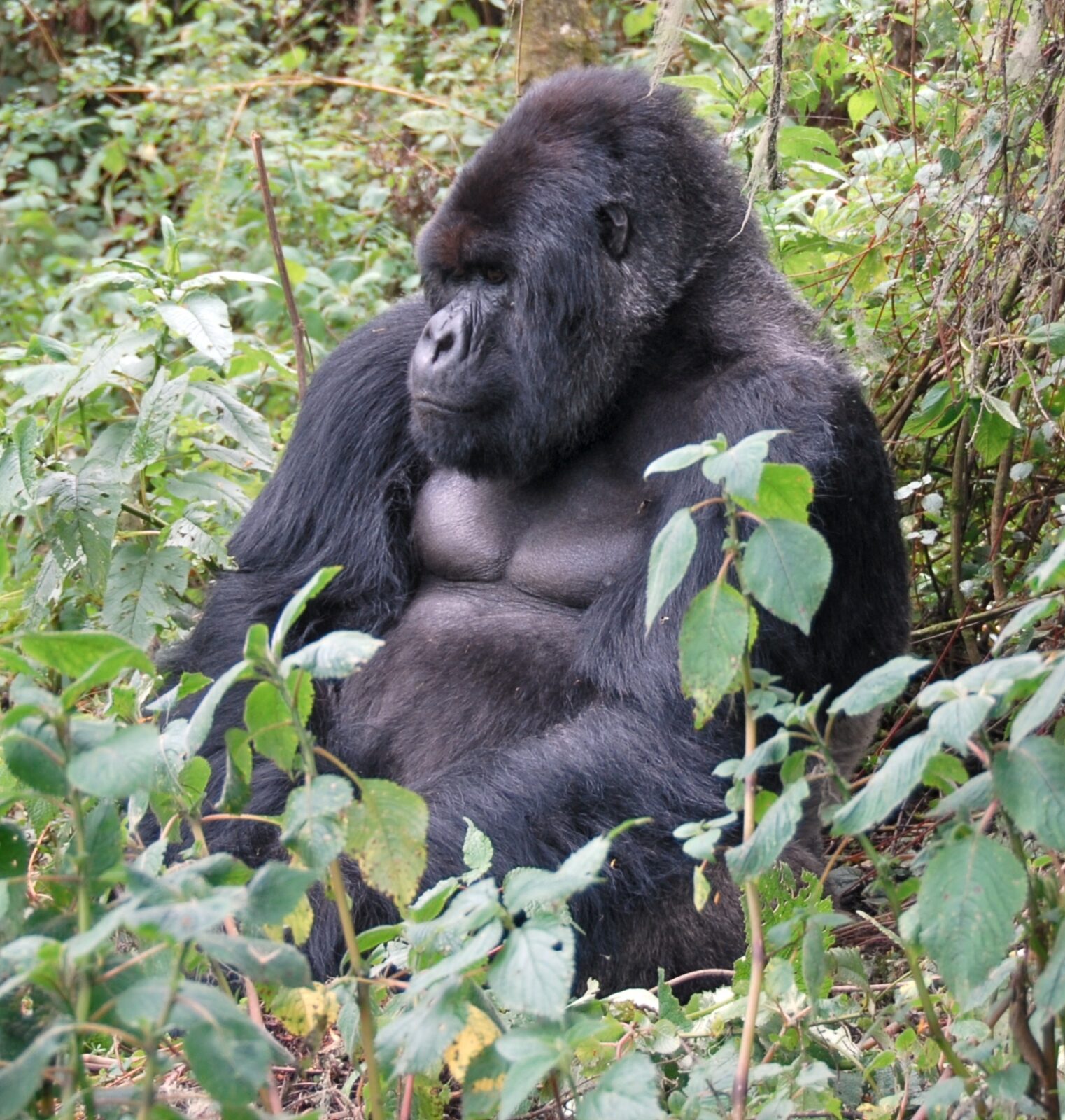
Gorilla trekking continues throughout the long rains season in both Uganda and Rwanda, treks are essentially never cancelled for rain, but trekking during this period genuinely means muddier trails, more physically demanding conditions underfoot, and a somewhat higher likelihood of getting thoroughly wet during the hike itself. Travellers who trek during the long rains should come prepared with genuinely waterproof gear and realistic expectations about trail conditions, rather than assuming rain simply means occasional light showers.
How the Short Rains Affect Gorilla Trekking
The short rains generally present a more moderate challenge for gorilla trekking, intermittent afternoon showers rather than sustained daily downpours, meaning trekking conditions during October and November often remain considerably more manageable than the long rains season while still offering meaningfully reduced crowds compared to the peak dry season months. Many experienced Uganda and Rwanda travellers specifically target this short rains window as a genuine sweet spot balancing weather risk against crowd avoidance and cost savings.
Wildlife Migration Timing and the Rains
The famous wildebeest migration across Kenya and Tanzania’s Serengeti-Mara ecosystem follows rainfall patterns directly, herds moving in response to fresh grass growth that follows the rains, making the timing of both long and short rains directly relevant to travellers hoping to witness specific migration phases like river crossings or calving season. Understanding this rain-migration relationship helps travellers time savannah safari components of a broader East African itinerary around specific wildlife spectacles they hope to witness.
Regional Variation Across East Africa
While the long rains and short rains pattern broadly applies across Uganda, Rwanda, Kenya, and Tanzania, specific timing and intensity vary somewhat by location and elevation, mountainous regions like Rwanda’s Volcanoes National Park or Uganda’s Rwenzori Mountains experiencing somewhat different rainfall patterns than lower-elevation savannah regions like the Maasai Mara or Serengeti. Travellers planning multi-country or multi-region itineraries should research specific conditions for each destination rather than assuming uniform rainfall timing applies identically everywhere.
Traveling During the Rains: Genuine Advantages
Beyond simply lower prices and reduced crowds, travelling during either rainy season brings genuine positive trade-offs worth considering honestly, lush, vividly green landscapes considerably more visually striking than dry season’s browner terrain, newborn wildlife during specific calving periods, and excellent birding as migratory species arrive alongside the rains. Travellers who approach rainy season travel with appropriate gear and realistic expectations often come away just as satisfied as dry season visitors, sometimes more so given the dramatically different scenery and reduced crowds.
Practical Preparation for Rainy Season Travel
Genuinely waterproof rain gear, quick-drying clothing, waterproof bags for electronics and important documents, and footwear capable of handling consistently muddy conditions all make a meaningful difference to comfort during rainy season travel across East Africa. Travellers should also build additional time buffer into road-based itineraries during either rain season, since muddy roads can genuinely slow travel between destinations compared to dry season driving times.
Choosing Between the Long Rains and Short Rains
Travellers weighing rainy season travel should generally favour the short rains over the long rains if choosing between the two, given the short rains’ typically lighter, more intermittent rainfall pattern compared to the long rains’ sustained, heavier precipitation across an extended multi-month period. The short rains window offers a genuinely attractive middle ground for budget-conscious or crowd-averse travellers unwilling to fully commit to the more challenging long rains season.
Planning a Weather-Informed East African Itinerary
Understanding East Africa’s genuine two-season rain pattern, rather than treating the region’s climate as a single undifferentiated rainy or dry period, allows for considerably more sophisticated, informed trip planning around specific priorities, weather comfort, budget, crowd avoidance, or wildlife-viewing timing. Travellers planning a Uganda gorilla trekking safari or broader East African itinerary should factor this genuine seasonal complexity into their planning from the outset, rather than relying on oversimplified assumptions about when to visit.
How Climate Change Is Affecting Traditional Rain Patterns
East Africa’s traditionally predictable long and short rains patterns have shown genuine signs of increasing variability in recent years, with some seasons arriving later, lighter, or heavier than historical averages would suggest, a shift many climate researchers attribute to broader global climate change effects on regional weather systems. Travellers relying on historical seasonal patterns for trip planning should treat these as general guidance rather than guaranteed predictions, building some flexibility into trip timing where possible given this genuine, ongoing climatic uncertainty.
Dry Season Comparison: What You’re Trading Off
Understanding the rains fully requires equally understanding what the intervening dry seasons, roughly June through September and December through February, actually offer by contrast, firmer trails, more concentrated wildlife viewing around remaining water sources, and generally more predictable travel conditions throughout the region. Weighing rainy season’s genuine advantages against dry season’s more predictable comfort helps travellers make a genuinely informed choice rather than defaulting to dry season travel purely out of habit or assumption.
Rain Gear Recommendations Specific to Safari Travel
Beyond generic rain jackets, safari-specific rain gear should account for the particular demands of wildlife viewing and trekking, breathable waterproof layers that won’t cause overheating during physical activity, waterproof covers for camera equipment given how much wildlife photography happens regardless of weather, and quick-drying trekking trousers that handle repeated wet-dry cycles considerably better than standard cotton clothing. Investing in genuinely purpose-built gear, rather than assuming a basic umbrella will suffice, makes a considerable difference to comfort during any rainy season safari activity.
Booking Advantages During Rainy Season Travel
Beyond lower accommodation pricing, rainy season travel often brings genuinely improved availability at otherwise heavily booked lodges and camps, allowing travellers more flexibility around specific accommodation preferences than the tightly booked dry season months typically permit. This improved availability can prove particularly valuable for travellers hoping to secure specific premium properties that routinely sell out months in advance during peak dry season periods, offering a genuine access advantage alongside the more commonly cited cost savings.
How Local Guides and Operators Adapt to Rainy Conditions
Experienced local guides and tour operators develop considerable expertise navigating rainy season conditions specifically, adjusting routes, timing, and expectations to work around weather rather than simply hoping for the best, a skill set genuinely worth prioritising when selecting an operator for rainy season travel. Working with operators who demonstrate genuine rainy season experience, rather than those primarily accustomed to dry season operations, meaningfully improves the odds of a smooth, well-managed trip despite challenging weather conditions.
Understanding Rainfall Data Before You Book
Historical rainfall data for specific regions and months, available through various meteorological and travel planning resources, offers genuinely useful guidance for travellers trying to weigh the realistic likelihood of significant rain disruption against their specific travel dates and destinations. While no historical data can guarantee actual conditions during a specific future trip, reviewing this information during the planning process helps set realistic expectations rather than either unrealistic optimism or unnecessary rain-avoidance that might rule out genuinely worthwhile travel windows.
Making Peace With East Africa’s Genuine Climate Reality
Ultimately, East Africa’s rain patterns represent a genuine, unavoidable feature of the region’s climate rather than an obstacle to be entirely avoided, and travellers who approach either rainy season with appropriate preparation and realistic expectations frequently discover rewards, dramatic scenery, reduced crowds, excellent value, that dry season travel simply cannot offer in quite the same way.