
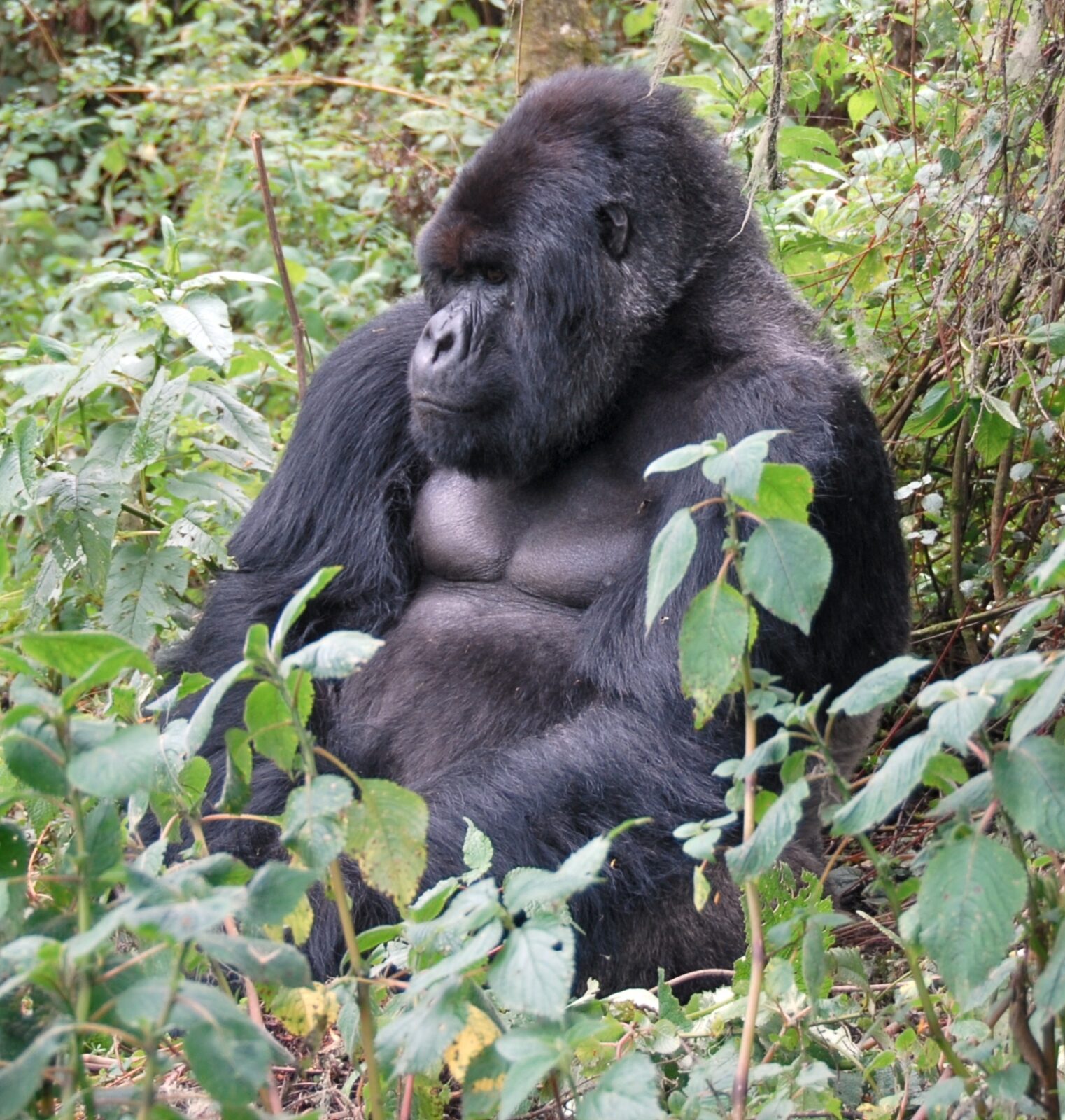
Mountain Gorilla Genetics: Why Inbreeding Is a Growing Concern
Beyond the more commonly discussed, widely publicised threats of poaching and habitat loss, mountain gorillas face a genuinely significant genetic challenge that receives considerably less public attention and media coverage overall, the population’s relatively small total size and geographic isolation have produced measurable inbreeding within the species, a concern conservation geneticists continue studying closely and carefully as the overall population slowly, steadily recovers over time.
Understanding the Basic Genetic Challenge
With a total wild population still numbering only slightly over 1,000 individuals, split across two geographically separate subpopulations in the Virunga range and Bwindi Impenetrable Forest, mountain gorillas simply don’t have access to the same breadth of genetic diversity that larger, more widely distributed wildlife populations typically maintain over time. This limited population size means individual gorillas are more likely to mate with genetically related individuals than would occur in a larger, more genetically diverse population, gradually increasing measurable inbreeding levels across multiple successive generations over time.
What Research Has Actually Found
Genetic studies analysing mountain gorilla DNA in detail have documented measurably elevated inbreeding levels when compared against other great ape populations studied, though interestingly, some research has also found evidence suggesting mountain gorillas may have developed certain genetic adaptations helping mitigate some of inbreeding’s typically harmful effects, a genuinely surprising and still actively, closely studied finding within the broader field of primate conservation genetics research today. This research complexity means the genetic picture facing mountain gorillas isn’t simply straightforwardly alarming, but rather considerably more nuanced and genuinely complex than early, simpler assumptions about inbreeding’s likely long-term impact might otherwise have suggested.
Why Inbreeding Typically Concerns Conservation Biologists
In most wildlife populations, sustained inbreeding tends to reduce genetic diversity in ways that can compromise immune system function, reproductive success, and overall population resilience to disease or environmental change, essentially reducing a population’s genetic toolkit for adapting to future challenges. This general conservation biology principle helps explain why mountain gorillas’ documented inbreeding levels initially raised genuine, serious concern among conservation geneticists studying the population’s long-term viability prospects closely.
The Surprising Resilience Finding
Despite documented inbreeding, mountain gorillas have shown less severe negative genetic effects than researchers might have predicted based on typical inbreeding depression patterns observed in other species, some studies suggesting the population may have already purged some of the most harmful genetic variants through this sustained inbreeding process itself, a phenomenon called purging selection. This finding, while genuinely encouraging, remains an active area of continued research rather than a fully settled scientific consensus, and conservation geneticists continue investigating exactly how much genuine protective effect this purging process actually provides.
The Two Subpopulations: Genetically Distinct Groups
The Virunga range population and the Bwindi population, while both formally classified as mountain gorillas, have been genetically separated for a sufficiently long period that researchers can now reliably distinguish between individuals from each subpopulation through careful genetic analysis alone, raising interesting questions about whether these two groups should be managed as entirely separate conservation units or whether their genetic distinctiveness matters less than their shared subspecies status. This genetic separation adds another layer of complexity to population-level genetic diversity considerations, since neither subpopulation alone represents the species’ full genetic diversity.
Could Cross-Population Genetic Exchange Help?
Given the two subpopulations’ geographic separation, some conservation geneticists have discussed whether deliberate genetic exchange between the Virunga and Bwindi populations might eventually prove beneficial for overall genetic diversity, though such intervention would face enormous practical and ethical complexity given the physical distance separating the two habitat areas and the genuine uncertainty about whether such intervention would provide meaningful benefit relative to its risks. This remains a genuinely theoretical discussion within conservation genetics circles rather than an actively planned intervention, given how many unresolved questions surround its potential value and feasibility.
How Genetic Monitoring Actually Works
Conservation researchers monitor mountain gorilla genetics primarily through non-invasive sampling, collecting genetic material from shed hair, faecal samples, and other indirect sources rather than requiring direct handling of wild gorillas specifically for genetic research purposes. This non-invasive approach allows sustained genetic monitoring without adding additional stress or risk to gorillas beyond what routine health monitoring and occasional veterinary intervention already involves.
What Continued Population Growth Means for Genetic Health
As the overall mountain gorilla population continues its gradual recovery, from roughly 250 individuals decades ago to over 1,000 today, the genetic diversity concern, while not eliminated, does gradually improve somewhat given the larger number of breeding individuals now contributing to each generation’s genetic makeup. This connection between population recovery and genetic health provides an additional, less commonly discussed reason why continued population growth matters beyond simply raw numbers, larger populations generally support healthier long-term genetic diversity as well.
How This Compares to Other Endangered Species
Mountain gorillas’ genetic challenges, while genuine, aren’t unique among small, geographically isolated endangered species populations, cheetahs and several other conservation-dependent species face comparable or more severe inbreeding-related genetic concerns, offering useful comparative context for understanding where mountain gorillas’ genetic situation sits within the broader landscape of small population genetics challenges facing endangered species conservation globally.
Why This Research Matters for Long-Term Conservation Planning
Understanding mountain gorilla genetics in detail helps conservation planners make more informed decisions about long-term population management priorities, whether continued habitat protection and population growth alone will adequately address genetic diversity concerns, or whether more active genetic management intervention might eventually become necessary as the population’s recovery trajectory becomes clearer over time. This research remains genuinely important even though its practical conservation implications continue evolving as scientific understanding develops further.
Why This Isn’t Cause for Panic
Despite the genuine scientific attention mountain gorilla genetics receives, conservation organisations working directly with the population consistently emphasise that current genetic findings shouldn’t be interpreted as an imminent crisis requiring urgent, dramatic intervention, but rather as an important, ongoing area of scientific monitoring that informs long-term conservation strategy alongside the more immediate, better-established threats like poaching and habitat protection. This measured, careful framing matters considerably for ensuring genetic concerns receive appropriate, proportionate attention within the broader conservation resource allocation picture overall, rather than either being dismissed entirely and ignored, or treated with disproportionate alarm relative to other, more immediate population threats requiring urgent attention.
How Population Recovery Naturally Supports Genetic Health
Beyond any deliberate genetic management intervention, the most straightforward pathway toward improved long-term genetic health for mountain gorillas remains continued population growth itself, since each additional breeding individual contributing offspring to future generations gradually broadens the population’s overall genetic base without requiring any specialised genetic intervention beyond simply sustaining the conservation success already underway. This natural pathway reinforces why the standard conservation priorities, habitat protection, anti-poaching enforcement, and disease prevention, remain genuinely central to addressing genetic health concerns indirectly, even without genetics-specific intervention programmes.
A Complex Picture Worth Understanding
Mountain gorilla genetics offers a considerably more nuanced conservation story than the simpler poaching and habitat narratives that typically dominate public understanding, revealing both genuine cause for measured concern and surprisingly encouraging resilience findings that continue actively informing broader conservation science and long-term strategic planning. Travellers planning a Uganda gorilla trekking safari can appreciate that the conservation story behind every gorilla encounter includes not just visible threats like poaching but this considerably less visible, ongoing genetic dimension conservation scientists continue working to fully understand.
The Role of Modern Genomic Technology
Advances in genomic sequencing technology have dramatically improved researchers’ ability to study mountain gorilla genetics in fine detail, allowing considerably more precise identification of specific genetic variants, inbreeding coefficients, and population structure than was possible during earlier decades of gorilla conservation research relying on more limited genetic analysis techniques. This technological advancement means our understanding of mountain gorilla genetics continues improving rapidly, with each new research publication typically adding meaningful nuance to the overall picture rather than simply confirming earlier, more limited findings.
What Purging Selection Actually Means
The purging selection phenomenon some researchers have observed in mountain gorillas involves a genuinely fascinating evolutionary process, where sustained inbreeding over many generations gradually eliminates the most severely harmful genetic mutations from a population, since individuals carrying these harmful variants in combination with another copy of the same mutation face reduced survival or reproductive success, effectively removing those specific harmful genetic variants from the broader population’s gene pool over time. While this process doesn’t eliminate all genetic diversity concerns, it may help explain why mountain gorillas haven’t shown the severe inbreeding depression effects that population genetics theory might otherwise predict for a population with their documented inbreeding levels.
Implications for Future Conservation Genetics Research
Ongoing mountain gorilla genetic research increasingly focuses on understanding exactly which genetic factors contribute to the population’s apparent resilience, research findings that could eventually inform conservation genetics approaches for other small, isolated endangered species populations facing comparable genetic diversity challenges elsewhere in the world. This potential broader scientific contribution adds another dimension of significance to mountain gorilla genetic research, extending its relevance well beyond gorilla conservation specifically into the wider field of small population conservation genetics.