
Tanzania Safari Guide 2026: Serengeti, Ngorongoro & Zanzibar
Tanzania offers travellers one of Africa’s most complete safari experiences within a single country, the legendary Serengeti’s wildebeest migration, Ngorongoro Crater’s extraordinary wildlife concentration, and Zanzibar’s pristine beaches, all genuinely reachable within a single, well-planned itinerary. Understanding how to sequence these genuinely different but complementary destinations makes the real difference between a rushed, superficial visit and a trip that genuinely does justice to what Tanzania actually offers overall.
The Serengeti: Tanzania’s Signature Wildlife Destination
The Serengeti’s vast, open plains host the largest overland wildlife migration on Earth, over a million wildebeest and hundreds of thousands of zebra moving in a continuous, roughly circular pattern following seasonal rainfall and fresh grazing across the ecosystem’s enormous expanse. Beyond the migration itself, the Serengeti supports exceptional year-round predator viewing, lion, leopard, and cheetah all present in healthy numbers, making the park a genuinely rewarding destination regardless of exactly when the migration happens to be passing through a particular section.
Ngorongoro Crater: Concentrated Wildlife Viewing
The Ngorongoro Crater, a massive volcanic caldera enclosing its own self-contained ecosystem, offers arguably the most concentrated wildlife viewing anywhere in Tanzania, an enclosed area supporting dense populations of lion, elephant, buffalo, and one of Africa’s best remaining black rhino populations, all within a single, compact crater floor. This concentration means visitors can often witness remarkable wildlife density and diversity within just a single day’s game drive, making Ngorongoro a genuinely efficient complement to the Serengeti’s more expansive, spread-out wildlife viewing.
Timing Your Trip Around the Migration
The wildebeest migration follows a broadly predictable annual pattern, calving season in the southern Serengeti around January through March, movement north through the central and western Serengeti through the middle months, and the dramatic Mara River crossings typically occurring around July through September, though exact timing varies somewhat year to year based on rainfall patterns. Travellers specifically hoping to witness a particular migration phase, river crossings especially, should plan their trip timing carefully around these general seasonal patterns, ideally with some flexibility given the migration’s inherently unpredictable exact movements.
Zanzibar: The Beach Complement to Tanzania’s Safari Circuit
Zanzibar’s white sand beaches and warm Indian Ocean waters offer a genuinely rewarding complement to Tanzania’s inland safari circuit, most travellers sequencing several relaxed beach days at the end of their trip after the more physically demanding early-morning game drives across the Serengeti and Ngorongoro. Beyond pure beach relaxation, Zanzibar offers genuine cultural depth through Stone Town’s historic architecture and Swahili coastal heritage, adding meaningful variety to a trip otherwise focused entirely on wildlife.
Additional Parks Worth Considering
Beyond the headline Serengeti-Ngorongoro-Zanzibar combination, Tanzania offers several additional parks rewarding travellers with more time, Tarangire National Park’s exceptional elephant populations and iconic baobab-studded landscape, and Lake Manyara’s diverse habitat supporting everything from tree-climbing lions to substantial flamingo populations during favourable seasons. Travellers with a week or more beyond the core circuit often find these additional parks add genuine variety without requiring an entirely separate trip.
Choosing Between Northern and Southern Circuits
Most first-time Tanzania visitors focus on the northern circuit, Serengeti, Ngorongoro, Tarangire, and Lake Manyara, given its established infrastructure and relatively straightforward logistics from Arusha, the main safari gateway city. Tanzania’s southern circuit, including Ruaha and Selous, offers a genuinely different, considerably less crowded safari experience for returning visitors or those specifically seeking a more remote, off-the-beaten-path Tanzania experience beyond the well-established northern parks.
Accommodation Styles Across Tanzania’s Parks
Tanzania’s safari accommodation spans an impressively wide range, from classic canvas tented camps offering an authentic bush experience to considerably more luxurious permanent lodges with swimming pools and elaborate amenities, giving travellers genuine flexibility in matching accommodation style to budget and personal preference. Zanzibar’s accommodation similarly ranges from budget beach guesthouses to internationally acclaimed luxury resorts, allowing travellers to adjust spending across different portions of their broader itinerary based on individual priorities.
Getting Around Tanzania’s Safari Circuit
Most Tanzania safari itineraries combine road transfers between nearby parks within the northern circuit with domestic flights connecting more distant destinations, particularly the flight from the northern circuit to Zanzibar, which considerably reduces total travel time compared to the alternative road and ferry routing. Arusha functions as the primary gateway for organising northern circuit logistics, with most tour operators basing their safari coordination from this central hub city.
Budget Considerations for a Tanzania Safari
Tanzania safari costs vary considerably based on accommodation style, exact itinerary, and season, with peak migration-viewing months and Christmas holiday periods commanding premium pricing compared to Tanzania’s quieter shoulder seasons. Travellers should budget realistically for park entry fees, which apply separately to each park visited, alongside accommodation, transport, and guiding costs that together comprise the bulk of overall trip expenses.
Combining Tanzania With Uganda or Rwanda Gorilla Trekking
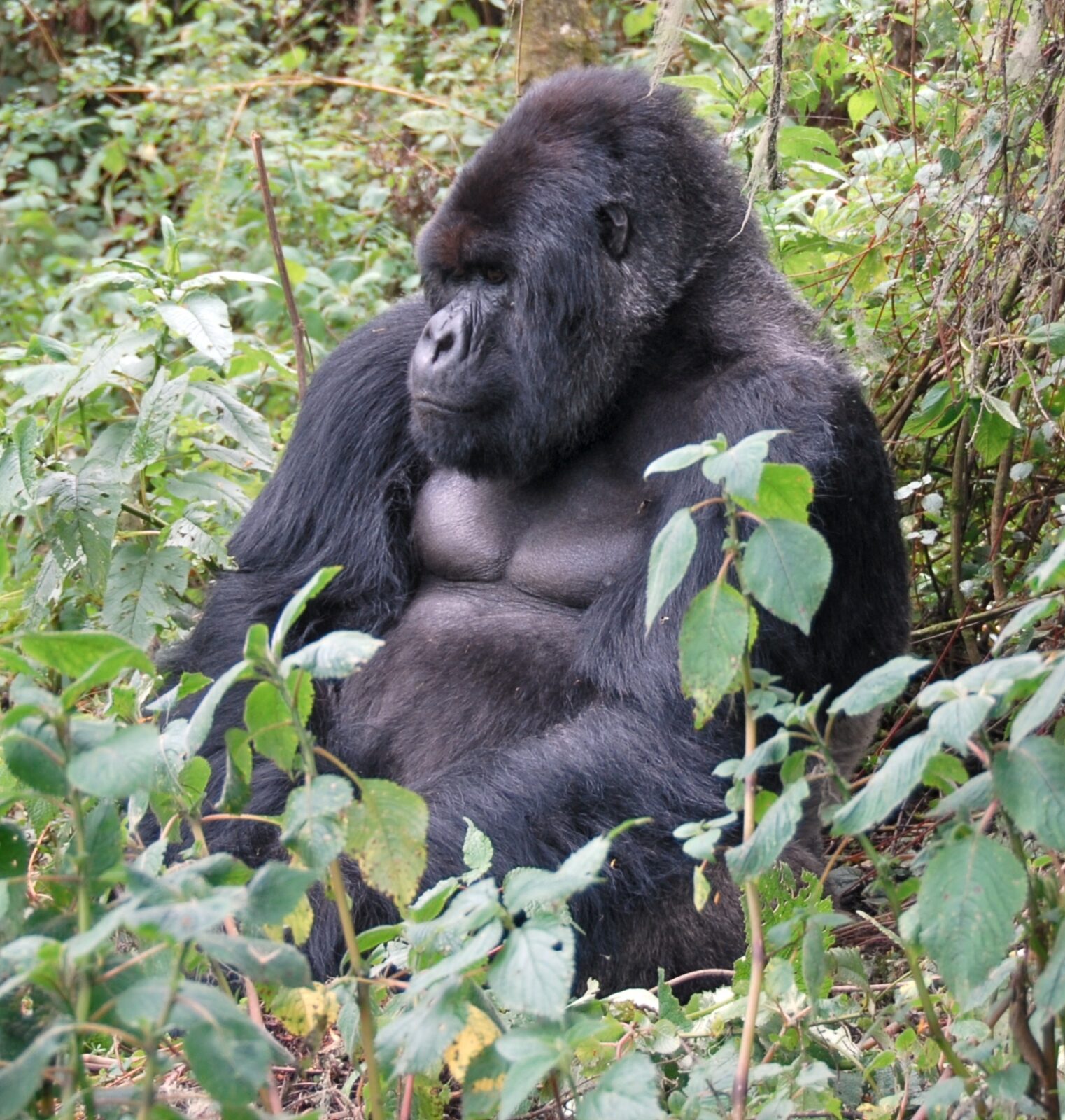
Travellers with sufficient time increasingly combine Tanzania’s classic savannah safari circuit with Uganda or Rwanda gorilla trekking, taking advantage of relatively convenient regional flight connections to experience both East Africa’s premier savannah wildlife destination and its unique primate trekking opportunities within a single, extended trip. This combination requires careful logistical planning given the genuine distances involved, but genuinely rewards travellers with an exceptionally comprehensive, wide-ranging East African wildlife experience overall.
Health and Practical Preparation
Standard East African travel health precautions apply throughout Tanzania, malaria prevention, yellow fever vaccination requirements depending on prior travel history, and routine immunisations, all worth confirming with a travel health provider well before departure. Zanzibar’s tropical coastal climate and Tanzania’s varied inland elevations mean packing should account for genuinely different conditions across the trip, warmer, more humid conditions on the coast contrasting with cooler mornings and evenings across the higher-elevation safari circuit inland.
Visa Requirements for Tanzania
Most travellers require a visa to enter Tanzania, available either in advance through online application or, for many nationalities, on arrival at major entry points, though confirming specific requirements for a traveller’s particular nationality well before departure avoids any last-minute complications. Travellers combining Tanzania with Kenya or Uganda within a single broader East African itinerary should research whether the East Africa Tourist Visa, covering multiple countries under a single application, might simplify their overall travel documentation requirements.
Best Time of Year to Visit Tanzania
Tanzania’s dry seasons, roughly June through October and a shorter window in January and February, generally offer the most comfortable wildlife viewing conditions and easiest road access across the northern circuit. The longer rainy season, roughly March through May, sees considerably reduced visitor numbers and correspondingly lower prices, though some roads become more challenging to navigate and certain wildlife viewing becomes somewhat less predictable during the heaviest of the rain periods.
Planning Your 2026 Tanzania Adventure
Tanzania’s combination of world-class savannah wildlife viewing and genuinely restorative beach time makes it one of Africa’s most complete single-country safari destinations, provided the itinerary is thoughtfully sequenced to balance the physical demands of game driving against Zanzibar’s welcome relaxation. Travellers interested in combining Tanzania with gorilla trekking should explore Uganda gorilla trekking safaris as a genuinely rewarding addition to a broader East African itinerary built around Tanzania’s classic safari circuit.
How Many Days You Realistically Need
A genuinely worthwhile Tanzania safari covering the core Serengeti and Ngorongoro circuit typically requires a minimum of five to seven days, allowing adequate time in each park rather than rushing through on an overly compressed schedule that leaves little room for extended game drives or unexpected weather delays. Adding Zanzibar extends a well-rounded trip to ten days or more, a duration many returning travellers describe as genuinely necessary to properly experience everything Tanzania’s combined safari and beach offering provides without feeling constantly rushed.
Wildlife Beyond the Big Cats
While lion, leopard, and cheetah sightings understandably dominate most Tanzania safari conversations, the country’s parks genuinely support extraordinary biodiversity well beyond these particular headline predators alone, substantial elephant herds, giraffe, numerous antelope species, and exceptional birdlife across virtually every habitat type the northern circuit encompasses. Travellers who arrive with genuine curiosity extending beyond simply checking off predator sightings often discover some of their most memorable wildlife encounters involve considerably less famous species observed engaging in genuinely fascinating, unexpected natural behaviour.
Working With a Tour Operator for a Seamless Experience
Given Tanzania’s genuine logistical complexity, coordinating multiple parks, varying accommodation styles, and potentially a Zanzibar extension, most travellers benefit considerably from working closely with an experienced tour operator rather than attempting entirely independent trip planning from scratch. A knowledgeable, experienced operator can help navigate migration timing uncertainty, recommend appropriately paced itineraries, and handle the considerable coordination genuinely required to combine Tanzania’s mainland safari circuit smoothly with a subsequent Zanzibar beach extension.
Photography Opportunities Across the Circuit
Tanzania’s open Serengeti plains offer exceptional wildlife photography conditions, unobstructed sightlines and dramatic golden-hour light across vast grassland terrain, while Ngorongoro’s crater floor provides a more compact, concentrated photography environment considerably different in character from the Serengeti’s expansive scale. Photographers hoping to capture the migration specifically should research current herd location before finalising exact trip dates, since positioning matters enormously for actually witnessing dramatic migration moments like river crossings.