
East Africa Travel Guide: Planning the Perfect Multi-Country Safari
Combining Uganda, Rwanda, Kenya, and Tanzania within a single, well-sequenced trip allows travellers to experience the full breadth of what East Africa offers, mountain gorilla trekking, savannah wildlife spectacles, and diverse cultural experiences, without the artificial limitation of confining a safari to just one country. Planning a genuinely successful multi-country East African safari requires understanding how these destinations complement each other logistically and experientially.
Understanding Each Country’s Signature Strength
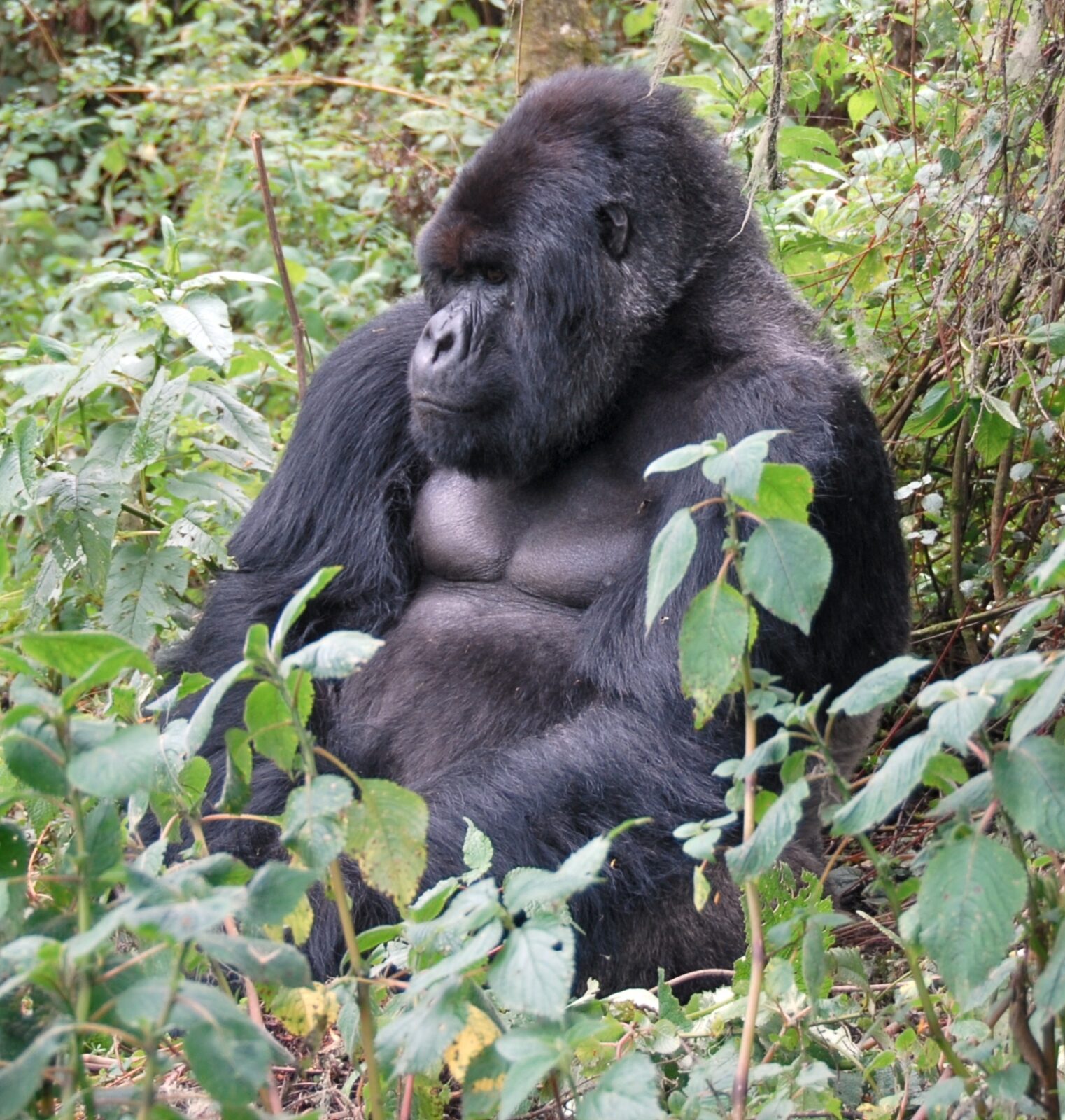
Uganda and Rwanda offer the region’s unique mountain gorilla trekking experience, unavailable anywhere else in East Africa, while Kenya and Tanzania deliver classic savannah safari at its finest, the wildebeest migration, vast open plains, and exceptional big cat viewing across landscapes that helped define the modern safari experience globally. Understanding this fundamental division of strengths helps travellers build itineraries that draw on each country’s genuine highlights rather than attempting to force every destination into delivering the same kind of experience.
Realistic Trip Duration for a Multi-Country Itinerary
A genuinely worthwhile multi-country East African safari typically requires a minimum of twelve to fourteen days, allowing adequate time in each destination without excessive rushing, three to four days for gorilla trekking in Uganda or Rwanda, and seven to ten days covering Kenya and Tanzania’s savannah circuit. Travellers with more limited time should generally prioritise depth over breadth, choosing perhaps two countries rather than attempting all four within an unrealistically compressed schedule that leaves little room for genuine immersion in any single destination.
Flight Connections Between Countries
Regional flight connections between East Africa’s major hubs, Kigali, Entebbe, Nairobi, and Kilimanjaro or Dar es Salaam, are generally frequent and relatively short, making inter-country travel considerably more straightforward than the geographic distances involved might initially suggest. Building flight connections thoughtfully into the overall itinerary, rather than treating them as an afterthought, meaningfully reduces overall travel fatigue across a genuinely ambitious multi-country trip.
Sequencing Your Itinerary Logically
Most successful multi-country itineraries sequence gorilla trekking early in the trip, when physical energy and enthusiasm run highest, followed by the somewhat less physically demanding savannah safari portions, and often concluding with beach relaxation in Zanzibar for travellers including Tanzania in their itinerary. This general sequencing logic, demanding activities first, relaxation last, tends to produce a more satisfying overall trip arc than attempting the reverse ordering.
Visa Considerations Across Multiple Countries
The East Africa Tourist Visa, covering Uganda, Rwanda, and Kenya under a single application, considerably simplifies visa logistics for travellers combining these three countries within one trip, though Tanzania requires a separate visa application given its exclusion from this regional visa scheme. Confirming exact visa requirements for a traveller’s specific nationality and intended countries well before departure prevents entry complications that could disrupt an otherwise carefully planned itinerary.
Budgeting for a Multi-Country Safari
Multi-country East African safaris carry meaningfully higher costs than single-destination trips, driven substantially by gorilla permit fees, which range from $800 in Uganda to $1,500 in Rwanda, alongside the accumulated costs of multiple countries’ accommodation, park fees, and internal flights. Travellers should budget realistically for this premium cost structure rather than assuming a multi-country trip will cost proportionally less than the sum of separate single-country trips.
Choosing Which Countries to Combine
Travellers prioritising gorilla trekking alongside classic savannah safari most commonly combine Uganda or Rwanda with Kenya, given relatively convenient flight connections and complementary rather than redundant wildlife experiences between the two destination types. Travellers with more time and budget sometimes extend this combination further, adding Tanzania for its own distinct migration timing and Zanzibar’s beach appeal, though this fuller combination genuinely requires the longer trip duration discussed above to avoid excessive rushing.
Working With a Specialist Multi-Country Operator
Given the genuine logistical complexity multi-country itineraries involve, coordinating permits, flights, and accommodation across several distinct national tourism systems, most travellers benefit considerably from working with a tour operator specifically experienced in multi-country East African planning rather than piecing together separate bookings independently across each destination. This coordination becomes particularly valuable when unexpected changes arise, flight delays, permit rescheduling, requiring rapid adjustment across an itinerary spanning multiple countries and providers.
Health Preparation for Multiple Countries
Travellers visiting multiple East African countries within a single trip should research and prepare for each destination’s specific health requirements, yellow fever vaccination, malaria prevention, and routine immunisations generally apply consistently across the region, though specific entry requirements can vary somewhat by country and should be confirmed individually rather than assumed to be identical everywhere.
Cultural Variety Across the Region
Beyond wildlife, a multi-country East African itinerary offers genuine cultural variety, Rwanda’s post-genocide rebuilding story and royal history, Uganda’s remarkable ethnic and linguistic diversity, Kenya’s Maasai cultural heritage, and Tanzania’s Swahili coastal traditions, each destination adding meaningfully different cultural texture beyond the wildlife experiences that typically headline most safari planning discussions.
Building Your Ideal East African Adventure
A well-planned multi-country East African safari delivers genuinely unmatched breadth, primates, savannah megafauna, diverse cultures, and varied landscapes, all within a single, carefully sequenced trip that respects each destination’s particular strengths and logistical requirements. Travellers ready to begin planning should start with a Uganda gorilla trekking safari as an anchor experience, then build outward toward additional East African destinations based on available time and budget.
Packing for Multiple Climates and Activities
A multi-country East African itinerary often spans genuinely varied climates and activity types within a single trip, cool, damp forest conditions for gorilla trekking, hot, dry savannah for game drives, and potentially warm, humid coastal conditions for a Zanzibar extension, meaning packing requires genuine thought about layering and versatility rather than a single climate-appropriate wardrobe. Sturdy waterproof trekking boots, breathable safari clothing, and swimwear might all genuinely earn a place in the same suitcase depending on exactly which countries and activities a particular itinerary includes.
Currency and Payment Considerations Across Borders
Each East African country maintains its own local currency, though US dollars remain widely accepted for major tourism expenses like park fees and permits across the entire region, simplifying payment logistics considerably for travellers moving between multiple countries within a single trip. Carrying a mix of US dollars for major expenses and modest amounts of local currency for smaller purchases in each country generally provides the most practical payment approach across a genuinely multi-country itinerary.
Time Zone Consistency Across the Region
Conveniently, Uganda, Rwanda, Kenya, and Tanzania all share the same East Africa Time zone, meaning travellers moving between these countries within a single itinerary don’t need to worry about jet lag or time zone adjustment during internal regional travel, a small but genuinely helpful logistical simplification compared to itineraries spanning more widely dispersed time zones elsewhere in the world.
Making Time Zone and Logistics Work in Your Favour
This shared time zone, combined with generally short regional flight times, means a well-planned multi-country East African itinerary can move between destinations with considerably less logistical friction than travellers might initially expect given the number of distinct countries involved. Building this efficiency into itinerary planning, rather than padding excessive buffer time between each country, allows travellers to maximise actual time spent experiencing each destination’s genuine highlights.
Balancing Structure With Spontaneity
While the logistical complexity of a multi-country itinerary demands genuine structure and advance booking for permits, flights, and key accommodation, the most memorable multi-country trips still leave some room for spontaneous exploration and flexibility, an extra hour lingering at a productive wildlife sighting, an unplanned conversation with a local guide that reveals something unexpected about the destination. Building this modest flexibility into an otherwise well-structured itinerary, rather than scheduling every single hour rigidly in advance, tends to produce the kind of genuinely memorable moments that travellers most often cite when reflecting on their trip afterward.
Common Mistakes to Avoid When Planning
The most common mistake travellers make when planning multi-country East African itineraries involves excessive ambition, attempting to include too many destinations within too short a timeframe, resulting in a rushed, exhausting trip that fails to do justice to any single country’s genuine highlights. A second common mistake involves underestimating gorilla permit and accommodation booking lead times, particularly for peak season travel, leaving genuinely insufficient buffer to secure preferred dates across multiple countries’ separate, independently operated booking systems.
Insurance Considerations for Multi-Country Travel
Comprehensive travel insurance covering all countries included in a multi-country itinerary becomes particularly important given the genuine complexity involved, confirming coverage extends across every destination visited, includes adventure activities like trekking, and covers trip interruption given how a delay or complication in one country could cascade into disruptions affecting subsequent destinations within the broader itinerary. Travellers should review policy details carefully rather than assuming standard single-destination travel insurance automatically provides adequate coverage across a genuinely multi-country trip.
Why Multi-Country Trips Reward Careful Planning
The genuine complexity involved in coordinating a multi-country East African safari, while real, produces correspondingly substantial rewards for travellers willing to invest the necessary planning effort, an itinerary combining experiences simply unavailable within any single country visited entirely alone. This investment in careful, thorough planning, ideally with experienced professional support, transforms what could otherwise become an overwhelming logistical challenge into one of the most rewarding, comprehensive wildlife and cultural experiences genuinely available anywhere in the world today, provided it’s planned with the care and realistic expectations such an ambitious journey deserves.