
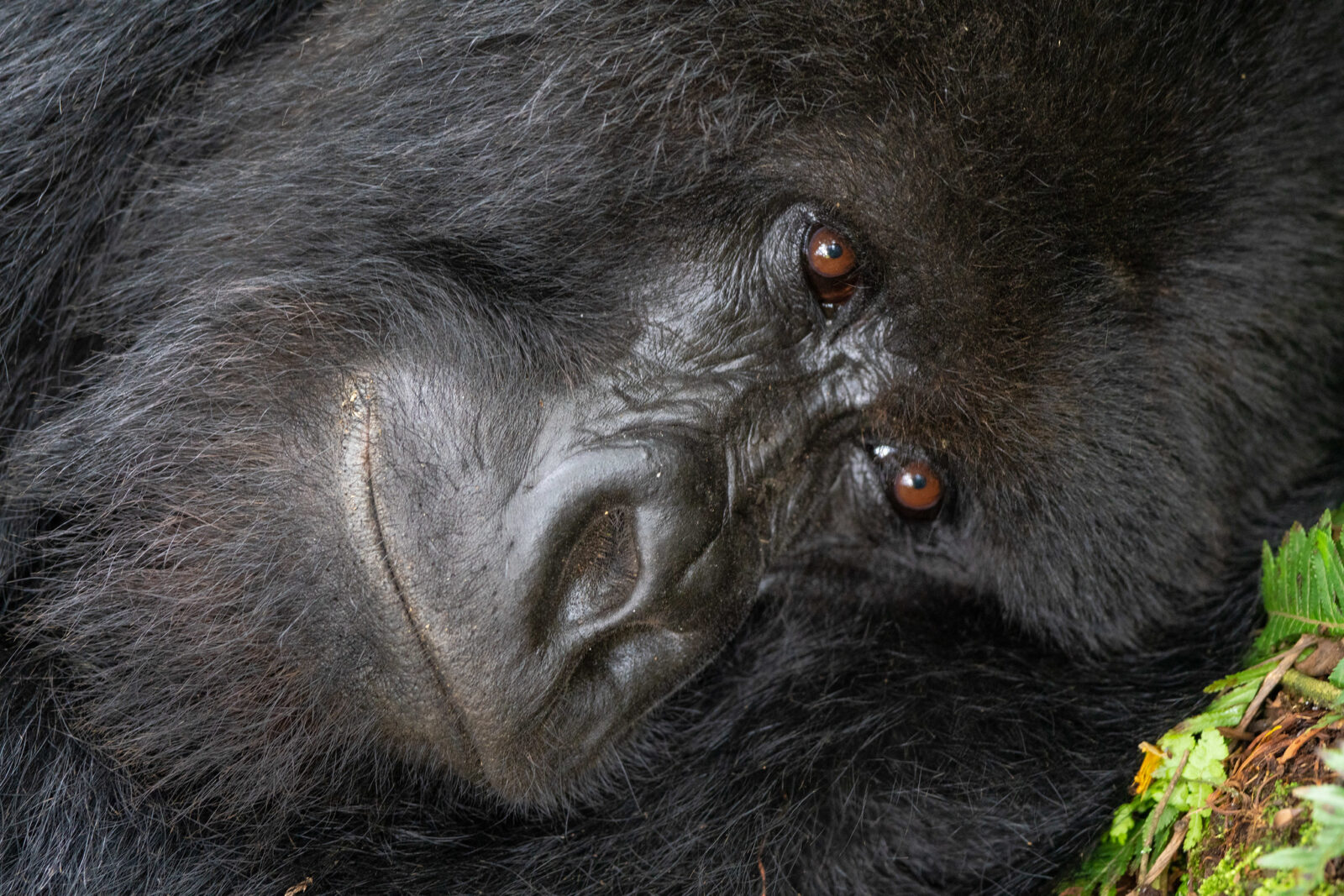
Bwindi National Park is a UNESCO World Heritage Site and one of Uganda’s most celebrated wildlife destinations. Located in southwestern Uganda, the park covers approximately 321 square kilometers of ancient tropical rainforest, characterized by steep hills, deep valleys, and dense vegetation.
Bwindi is internationally renowned for its population of endangered mountain gorillas, providing some of the world’s best opportunities for gorilla trekking. The park’s complex ecosystem supports a wide array of wildlife, including primates such as chimpanzees, monkeys, and forest elephants, as well as over 350 bird species, making it a haven for biodiversity enthusiasts.Bwindi’s accessibility from major towns like Kisoro and Kabale, combined with its rich cultural heritage and conservation success, makes it a premier destination for both adventure and eco-tourism.
A Detailed Study of Bwindi Impenetrable National Park
Geography and Landscape
Bwindi’s terrain is steep, rugged, and densely forested, giving the park its “Impenetrable” name. Elevations range from 1,160 meters to over 2,600 meters above sea level, creating a variety of microclimates and ecological zones.
The park is divided into four main sectors for tourism and research: Buhoma, Ruhija, Nkuringo, and Rushaga. Each sector offers unique trekking experiences, with varying trail difficulty, accessibility, and gorilla family locations.
Bwindi’s misty valleys, swamps, and moss-covered forests contribute to an enchanting rainforest atmosphere, supporting a diverse range of plant and animal life. The park is crisscrossed by streams, waterfalls, and natural springs, which provide essential resources for wildlife.
Mountain Gorillas and Wildlife
Bwindi is home to approximately half of the world’s remaining mountain gorilla population. The park hosts over 17 habituated gorilla families, allowing controlled trekking visits that prioritize both gorilla welfare and visitor experience.
In addition to gorillas, Bwindi contains chimpanzees in some areas, as well as black-and-white colobus monkeys, baboons, and numerous bird species. The park also shelters forest elephants, bushbucks, and civets, though sightings are less frequent due to the dense vegetation.
Visitors experience close encounters with wildlife while trekking along narrow forest trails, often surrounded by towering trees, bamboo groves, and endemic plants. The park’s biodiversity makes it an ideal location for eco-tourism and conservation-focused travel.
Gorilla Trekking in Bwindi
Gorilla trekking in Bwindi is carefully regulated to ensure minimal impact on the animals. Treks begin early in the morning, with visitors receiving a briefing from park rangers on safety, etiquette, and photography rules.
Each gorilla family is visited by a maximum of eight tourists per day, and trekkers spend approximately one hour observing the gorillas once located. Treks can last anywhere from two to six hours depending on the gorillas’ location and trail difficulty.
Trekking routes vary by sector. Buhoma is popular for its accessibility and well-established trails, Ruhija offers a more remote experience with lush scenery, Nkuringo provides challenging treks with rewarding views, and Rushaga is known for large gorilla families and picturesque landscapes.
Conservation and Community Engagement
Bwindi Impenetrable National Park is a conservation success story, with government and community initiatives ensuring the protection of gorillas and their habitat. The park employs rangers and trackers from surrounding communities, providing both employment and conservation education.
Community revenue-sharing programs ensure that tourism benefits local villages through schools, health centers, and infrastructure development. This model strengthens the link between conservation and local livelihoods, reducing human-wildlife conflict and poaching threats.
The park also collaborates with international organizations to monitor gorilla health, conduct research, and develop strategies for long-term species survival.
Accommodation Options
Visitors to Bwindi can choose from luxury lodges, mid-range accommodations, and budget guesthouses.
Luxury options like Sanctuary Gorilla Forest Camp and Bwindi Lodge offer immersive rainforest experiences, high-end amenities, and gourmet dining. Mid-range lodges such as Gorilla Mist Camp and Clouds Mountain Gorilla Lodge provide comfort with convenient access to trekking trailheads.
Budget accommodations, including community-run guesthouses and bandas, allow travelers to stay close to the park while supporting local initiatives. Many lodges emphasize sustainability and eco-tourism practices, enhancing the overall experience while contributing to conservation efforts.
Best Time to Visit
Bwindi Gorilla Trekking is possible year-round, but dry seasons are preferred. The two main dry periods are June to September and December to February. During these months, trails are easier to navigate, and trekking conditions are safer.
Rainy seasons from March to May and October to November bring lush vegetation, which enhances scenery and bird activity but can make trails slippery and more physically demanding.
Regardless of season, habituated gorilla families ensure a high likelihood of sightings, offering a once-in-a-lifetime wildlife experience.
Combining Bwindi with Other Attractions
Bwindi can be combined with other Ugandan destinations for an extended safari experience. Visitors often include chimpanzee tracking in Kibale Forest National Park, wildlife safaris in Queen Elizabeth National Park, and cultural tours in local communities.
Lake Bunyonyi, with its scenic islands and tranquil waters, offers a relaxing stop after trekking. Multi-day itineraries can include Uganda’s southern and western wildlife circuits, creating a comprehensive safari adventure.
Bwindi Impenetrable National Park stands as a testament to Uganda’s conservation efforts and natural beauty. Its dense rainforests, rugged mountains, and rich biodiversity make it a haven for mountain gorillas and wildlife enthusiasts alike.Gorilla trekking in Bwindi is more than a wildlife experience; it is an immersive journey into one of the world’s most pristine and ecologically significant forests. With strong conservation programs, community engagement, and a variety of accommodations, Bwindi offers visitors a life-changing encounter that supports both wildlife preservation and sustainable tourism.