
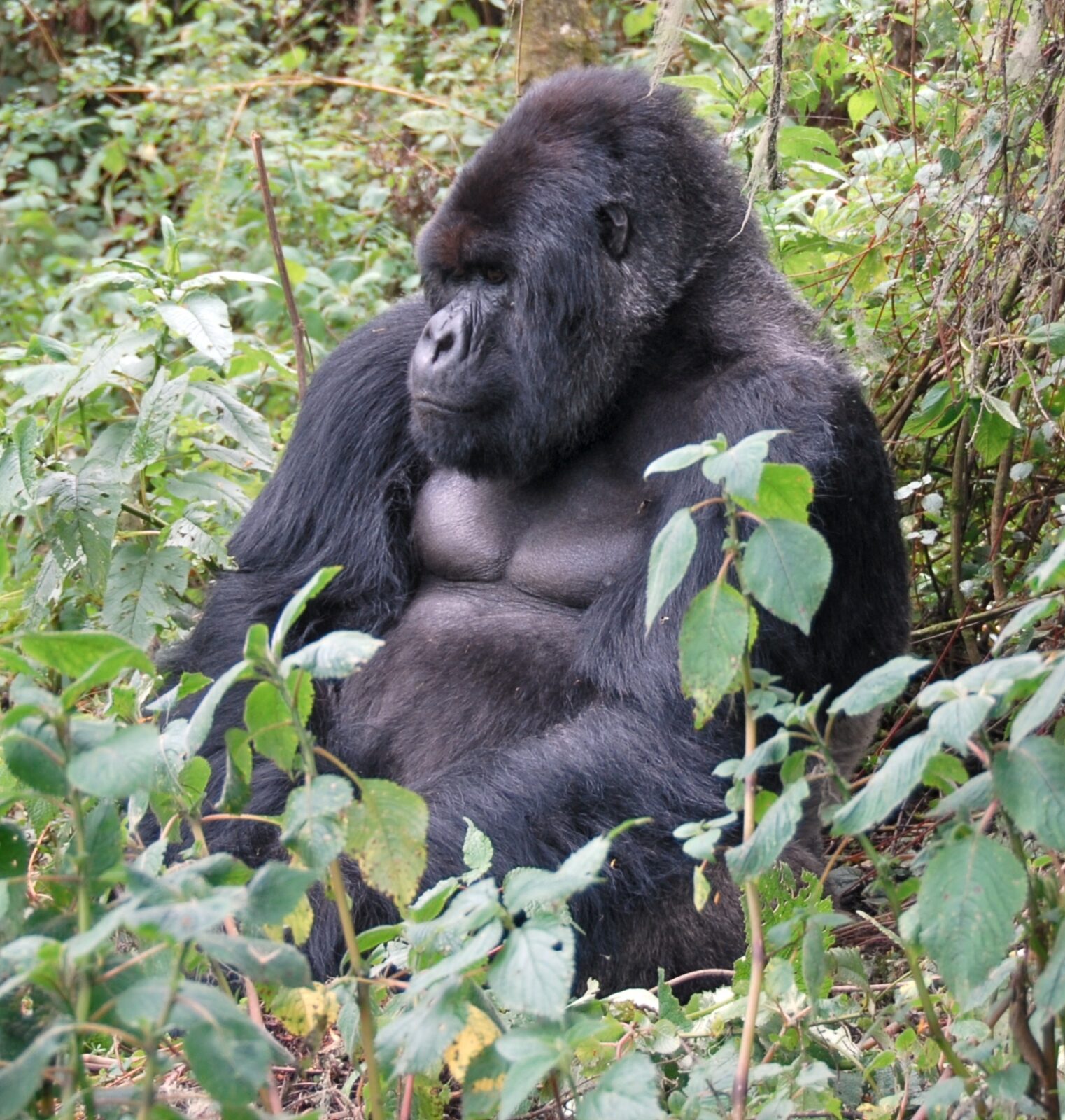
The gorilla permit fee itself is fixed – no amount of clever shopping changes what Uganda or Rwanda charges at the gate. But the permit is usually well under half of what a trekker actually spends on the trip around it, and that surrounding half is where real savings live. How to save money on a gorilla safari without cutting quality mostly comes down to which levers you pull, not how hard you haggle.
Start With Timing, Not Discounts
The single biggest lever most people never touch is the calendar. Uganda’s low season, roughly April, May, and November, sees lodge rates drop noticeably compared to the June-to-September and December peak windows, while the trekking experience itself barely changes – you still get your hour with a habituated family, rain or shine. Trails are muddier and the forest is quieter of other visitors, which some trekkers genuinely prefer. If your schedule has any flexibility at all, shifting your trip by even a few weeks outside peak season is worth more than most explicit discount codes you’ll find online.
Choose Your Country Deliberately
Uganda and Rwanda both offer excellent gorilla trekking, and the permit price gap between them is substantial – Rwanda’s permit sits well above Uganda’s. If budget is the deciding factor and you’re not fixed on a specific country for other reasons, that price difference alone often settles the question. Congo’s Virunga National Park sits lower again, though it comes with its own security considerations worth researching carefully before committing. None of these is objectively “better” – they’re different countries with different infrastructure, different volcanoes, and different price points, and picking deliberately rather than defaulting to whichever country a friend mentioned first is itself a form of saving money.
Group Permits Instead of Private
Every standard gorilla permit places you in a shared group of up to eight trekkers with one habituated family. Some operators offer private trek arrangements at a premium, but for most travellers the shared group experience is genuinely just as good – you still get your full hour with the gorillas regardless of who else is in your group. Paying extra for a private trek buys you a smaller, more intimate group dynamic, not a longer or closer encounter, so it’s worth being honest with yourself about whether that specific thing is worth the premium before adding it.
Match Your Accommodation to What You Actually Use It For
This is where quality gets cut accidentally, and where it doesn’t need to be. A gorilla trek is a full, tiring day – you leave early, hike for hours, and come back ready for a hot shower and a decent bed, not an infinity pool. Mid-range lodges near Bwindi and Volcanoes National Park routinely offer comfortable rooms, hot water, good food, and genuinely warm hospitality at a fraction of what the ultra-luxury properties charge for essentially the same location and the same forest view. Save the higher-end splurge for a night at the start or end of your trip, in a city like Kampala or Kigali where you have more time to actually enjoy the extra amenities, rather than paying luxury rates for a night you’ll spend mostly asleep before a 6 a.m. departure.
Where Not to Cut
A few costs are false economies dressed up as savings. Skipping travel insurance that covers medical evacuation is one – Bwindi and the Virungas are remote enough that a genuine medical emergency without evacuation cover can cost vastly more than the policy would have. Booking through an unlicensed or unclear operator to save a small margin on the package price is another; permit fraud and no-show operators are a real, if uncommon, risk, and the cost of losing a non-refundable permit dwarfs whatever you saved. And underpaying your ranger guide and porter team on tip day isn’t really a saving at all – it’s a cost shifted onto people who did the actual work of getting you safely to the gorillas and back.
Bundle Sensibly, Not Automatically
Multi-day packages that bundle trekking with wildlife parks, cultural visits, or a second country can save money over booking each leg separately, but only if you’d have genuinely wanted those extra days anyway. Adding three days at Queen Elizabeth National Park purely because the package price looks like a bargain, when you’d rather have spent that time and money elsewhere, isn’t a saving. Build your itinerary around what you actually want to see first, then let your operator quote the bundle – not the other way around.
Ask About Group Size Before Assuming You Need a Private Vehicle
Solo travellers and couples often default to booking a private vehicle and driver for the whole trip because it feels safer or simpler, without realizing that joining a small scheduled group tour for the transport and accommodation portions – while still trekking in your own permit slot – can cut transport costs substantially. This only works if your travel dates are flexible enough to slot into an existing departure, so it’s worth asking your operator directly whether a joiner option exists before defaulting to the more expensive private arrangement.
Watch for Lodge-Level Add-Ons That Add Up Quietly
The headline lodge rate rarely includes everything. Laundry, bottled water, spa treatments, premium drinks, and airport transfers outside the main package are frequently billed separately, and a handful of small add-ons across a week-long trip can quietly rival the size of a genuine saving you made elsewhere. Reading the fine print on what a quoted lodge rate actually covers, and asking specifically what’s extra, prevents a nasty surprise on the final bill rather than a pleasant one.
Currency and Payment Choices Matter More Than People Expect
Permits and many lodge bills are priced in US dollars, and paying with a card that charges foreign transaction fees, or exchanging cash at an airport kiosk rather than a proper forex bureau in Kampala or Kigali, can quietly cost you a meaningful percentage over the course of a trip. Carrying clean, newer-series US dollar notes for cash payments where accepted, and using a fee-free travel card for the rest, is a small piece of planning that adds up across a multi-day trip in ways a single line item never would.
Consider What You’re Actually Comparing When You Compare Prices
Two quotes that look identical on paper – same number of nights, same country, same star rating – can still differ meaningfully in what they include once you look closely. One might bundle park entry fees for a second activity, airport transfers, and bottled water throughout, while the other charges each of those separately once you arrive. The lower headline number isn’t always the lower actual cost, and asking your operator for a genuinely itemised breakdown, rather than accepting a single bundled figure, is one of the more reliable ways to compare fairly across different companies.
It’s also worth asking directly whether the quote is in US dollars or the local currency, and whether that exchange rate is locked in or subject to change closer to your travel date. A quote that looks cheaper today can end up costing more by the time you actually pay if the underlying currency has moved, which is a detail easy to overlook amid the excitement of planning a trip.
Frequently Asked Questions
Is it ever worth booking a gorilla permit last minute for a discount?
Rarely, and it’s risky. Permits routinely sell out weeks or months ahead in peak season, and last-minute availability tends to reflect a cancellation rather than a discount. Booking early and choosing your season deliberately does more for your budget than gambling on a late deal.
Do cheaper operators cut corners that actually matter?
Sometimes, and it’s worth checking what exactly makes a quote cheaper before assuming it’s pure savings. A lower price built on a less experienced guide team, an unlicensed vehicle, or vague accommodation names is a different kind of risk than a lower price built on choosing a mid-range lodge over a five-star one.
Should I skip the porter to save a small amount of money?
Not usually. Porters cost a modest daily fee, carry your bag over genuinely difficult terrain, and their income depends heavily on this work supporting communities around the park. The saving is small; the value, both practical and to the local economy around Bwindi or the Virungas, is larger than the price suggests.
Does travelling as a larger family or friend group actually save money?
Sometimes, particularly on private vehicle hire and certain lodge room configurations, where the per-person cost of a shared vehicle or a family room drops noticeably compared to solo or couple travel. It’s worth asking your operator to price both a shared and split arrangement before assuming either is automatically cheaper for your specific group size.
For the full picture of what a trek actually costs before you start trimming, this cost breakdown is worth reading first. If you’re still deciding between countries, this Rwanda versus Uganda comparison lays out the price and experience differences in more detail, and this beginner’s guide covers the rest of the planning process from a first-timer’s perspective.