
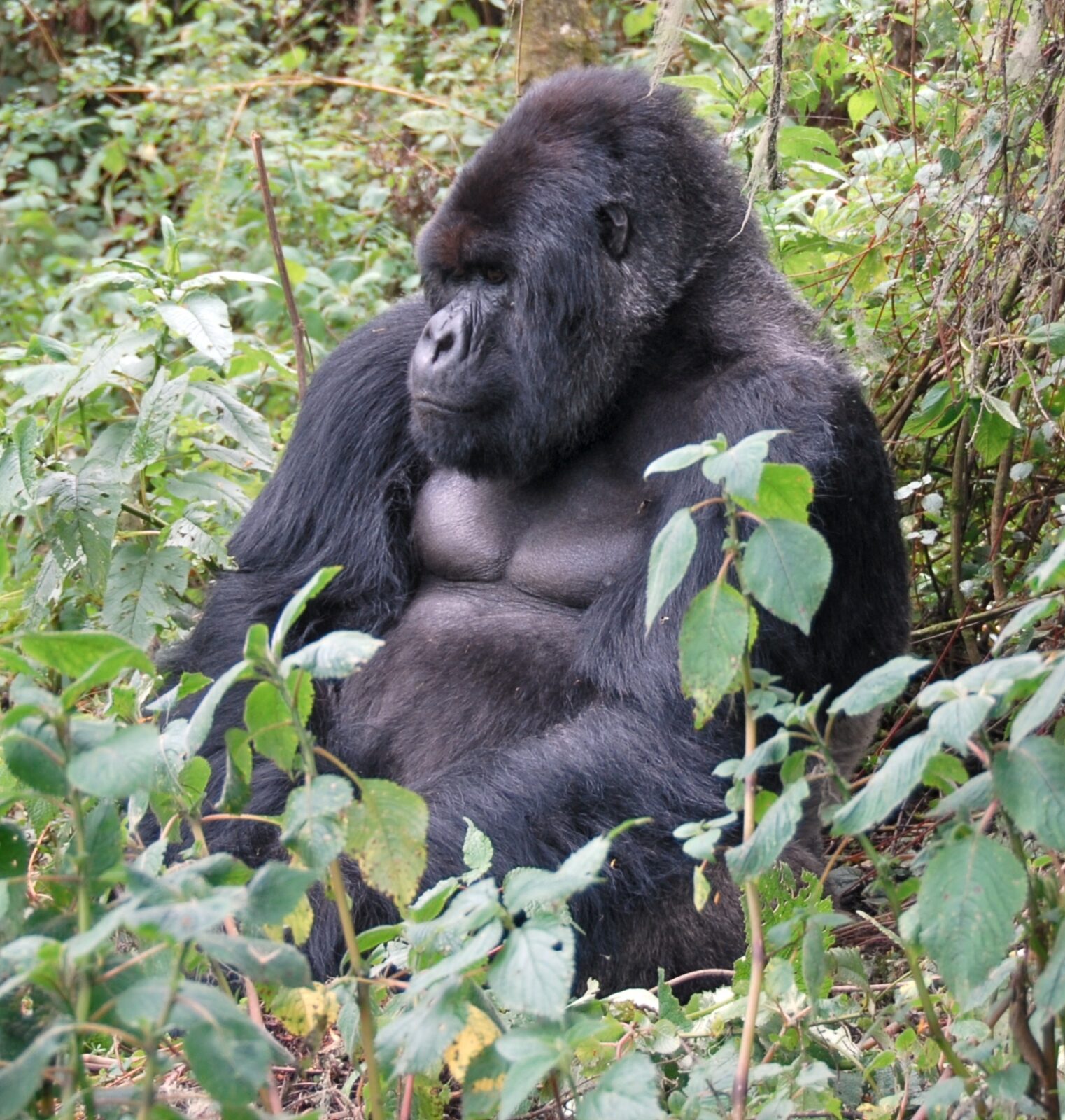
Two of East Africa’s most iconic experiences sit in different countries, hundreds of kilometres apart, which raises an obvious question for anyone planning an ambitious trip. Gorilla safari and Kilimanjaro: can you do both in one trip? Yes, genuinely, but it takes real planning to combine a mountain climb in Tanzania with a forest trek in Uganda, Rwanda, or the DRC without either experience suffering for the compromise.
Plenty of travellers ask this exact question after realising both experiences sit on the same continent and assuming, reasonably enough from a world map’s perspective, that they must be close together. The reality on the ground is more involved, but far from impossible for anyone willing to plan properly rather than bolting the two together as an afterthought.
The Honest Answer: Yes, But It’s a Real Undertaking
These aren’t two stops on the same well-worn tourist route the way a wildlife safari and a beach extension often are. Kilimanjaro sits in northern Tanzania; the mountain gorilla range sits far to the west, split between Uganda’s Bwindi Impenetrable Forest, Rwanda’s Volcanoes National Park, and Congo’s Virunga National Park. Combining them means treating this as a genuine multi-country African expedition, not a simple two-stop holiday, and budgeting the time and logistics accordingly.
Why These Two Experiences Don’t Naturally Overlap Geographically
It’s worth understanding this geography clearly before you start planning, since it changes the shape of the entire trip. Tanzania and Uganda or Rwanda aren’t neighbouring countries with a simple road connection between them – they sit on largely separate sides of the East African region, with different infrastructure, different tourism ecosystems, and, in most cases, no direct overland route that would make sense to attempt given the distances and border crossings involved.
Unlike combining a gorilla trek with, say, Uganda’s Queen Elizabeth National Park, which sits a comfortable drive from Bwindi, Kilimanjaro and the gorilla parks aren’t part of the same regional circuit. Getting between them typically means a domestic or regional flight connection, adding both time and cost that a same-country itinerary wouldn’t require. This is worth factoring into your planning from the very beginning, rather than discovering the logistics gap partway through booking.
How Much Time You Actually Need for Both
It’s tempting, when a trip is already this ambitious, to try to compress the timeline to fit around limited annual leave, but this is exactly the wrong place to cut corners. A rushed Kilimanjaro climb on a shorter route carries a meaningfully lower summit success rate due to inadequate acclimatisation, and a gorilla trek attempted while still physically depleted from the mountain doesn’t give you the experience you travelled this far and spent this much to have.
Climbing Kilimanjaro properly, with a route and pace that gives you a reasonable summit success rate, typically takes six to nine days on the mountain alone, before any travel time to and from it. A gorilla trek, by contrast, can be done as a tightly focused two- or three-day addition once you’re in Uganda or Rwanda, though most trekkers extend that with additional park time. Combined realistically, with travel between the two included, this is a trip that wants at least two and a half to three weeks to do both without feeling rushed at either end, and closer to four weeks if you’re also hoping to add wildlife viewing or a second country to the itinerary.
The Logistics of Getting Between Them
This connecting flight deserves more attention in planning than it usually gets, precisely because it’s the seam between two very different halves of the trip, each with its own operator, its own local logistics, and its own set of things that can go wrong. Treating this connection casually, as an afterthought between two well-planned halves, is where combined trips like this most often run into avoidable stress.
Flying between Kilimanjaro International Airport, or nearby Arusha, and Entebbe or Kigali typically involves a connection through Nairobi or another regional hub, rather than a direct route, since demand for this specific city pair doesn’t support nonstop service. Building a comfortable buffer between your descent from Kilimanjaro and your onward flight is worth planning deliberately, since summit day and the following descent are physically exhausting and not a good foundation for a tight same-day connection.
Sequencing: Climb First or Trek First?
There’s also a psychological argument for this sequencing worth mentioning: Kilimanjaro’s summit push, typically attempted overnight for a sunrise arrival at the top, is widely described as the hardest single day of the entire combined trip. Having that behind you, with the gorilla trek still ahead as a calmer, shorter, though still physically demanding, second act, tends to feel like the itinerary is easing rather than building toward its hardest moment.
Most trekkers who combine both choose to climb Kilimanjaro first and trek afterward, for a practical reason: recovering from a multi-day high-altitude climb before a physically demanding forest trek gives your body a buffer it wouldn’t have doing it the other way around. Attempting Kilimanjaro immediately after a gorilla trek, still fatigued from days of forest walking, is a harder ask on your body than the reverse sequence.
Fitness Demands Are Very Different, and Both Are Real
It’s worth working with a training plan that addresses both dimensions specifically rather than assuming general fitness covers everything a trip like this demands. Cardiovascular endurance and time spent at altitude beforehand, where practical, help with Kilimanjaro’s specific challenge; leg strength, balance on uneven ground, and a tolerance for sustained, unglamorous physical discomfort matter more for the forest trek that follows.
Kilimanjaro is primarily an altitude and endurance challenge – the walking itself is rarely technical, but the effects of thin air over multiple days test your body in a specific way that lowland fitness doesn’t fully prepare you for. Gorilla trekking is a different kind of demand entirely: steep, muddy, dense terrain over a shorter but more intensely physical single day. Preparing seriously for one doesn’t automatically prepare you for the other, and a training plan covering both, ideally with a doctor’s input given the scale of the undertaking, is worth building well in advance.
Budget Reality of Combining Both
Working with two separate operators, one specialising in Kilimanjaro climbs and one specialising in gorilla trekking, rather than expecting a single company to seamlessly cover both, is usually the more reliable approach, even if it means slightly more coordination on your end to align the handoff between the two halves of the trip.
This is, unambiguously, an expensive combined trip – Kilimanjaro park fees and guided climb costs, a gorilla permit, flights between the two, and accommodation across a multi-week itinerary add up to a serious investment. Trekkers who combine both tend to treat it as a genuine bucket-list undertaking rather than a routine holiday, and budgeting honestly for the full scope from the outset avoids an uncomfortable surprise partway through planning.
Frequently Asked Questions
Do I need special travel insurance for a combined trip like this?
Yes, and it’s worth checking specifically that your policy covers high-altitude mountaineering activity up to Kilimanjaro’s summit elevation as well as strenuous forest trekking, since standard policies sometimes exclude activity above a certain altitude threshold without an explicit add-on purchased separately in advance.
Is it physically realistic to do both on the same trip?
Yes, for a reasonably fit traveller with proper preparation and adequate recovery time built in between the two, particularly if Kilimanjaro comes first in the sequence, giving your body a genuine buffer before the gorilla trek’s different physical demands take over.
Which should I book first, the climb or the gorilla permit?
Book your gorilla permit as early as possible regardless of sequencing, since it’s the more date-fixed and limited-availability element of the two. Kilimanjaro climbs generally have more day-to-day flexibility in scheduling, making it the easier of the two bookings to fit around a confirmed permit date once that date is locked in.
Is three weeks really necessary, or can this be compressed?
It can be compressed with a faster Kilimanjaro route and a tighter gorilla itinerary, but doing so increases both physical strain and the risk that a delay on one leg disrupts the other. Building in buffer time is the safer approach for a trip this genuinely ambitious, particularly given the non-negotiable, fixed nature of your gorilla permit date once it’s confirmed.
Do most trekkers who combine these two book everything through a single company?
Not usually. It’s more common, and often more reliable, to book Kilimanjaro through a specialist mountain operator and the gorilla portion through a specialist East Africa safari operator, coordinating the connection between the two yourself or through a travel agent familiar with both regions and comfortable managing a multi-operator itinerary on your behalf.
For the gorilla trekking portion specifically, this beginner’s guide and this fitness preparation guide are worth reading closely given how demanding a combined trip like this is on your body. This cost breakdown covers the gorilla trekking side of your combined budget in detail.