
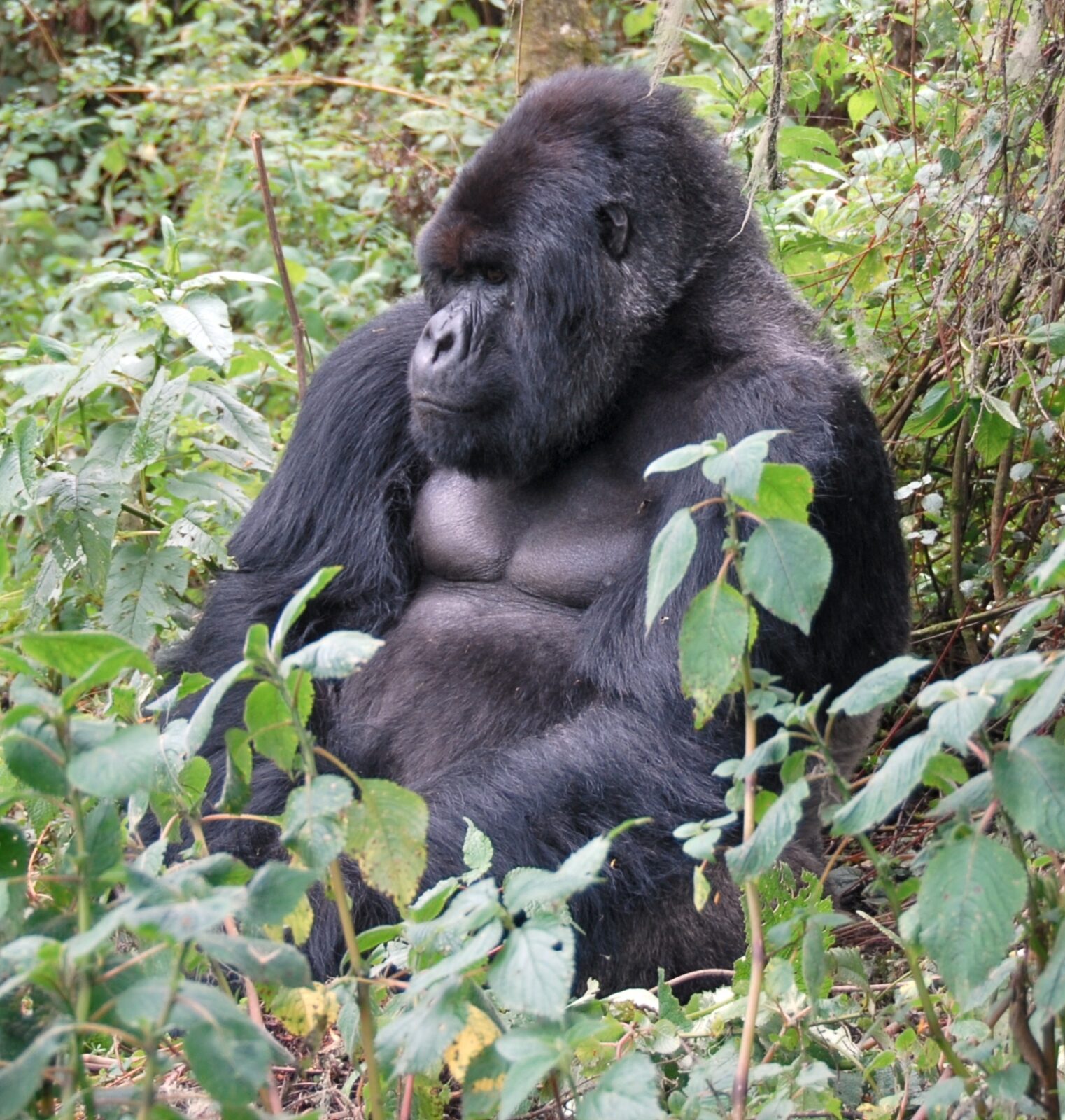
A camera captures what a gorilla family looks like in a single fraction of a second. A sketchbook, worked slowly over an hour of quiet observation, captures something closer to how it actually felt to sit with them. Gorilla safari for artists is a niche but genuinely rewarding angle on the standard trek, and it asks for a different kind of preparation than a purely photography-focused visit.
This isn’t a widely marketed angle on gorilla trekking, and most operators won’t raise it unprompted, but a growing number of visual artists have found the experience genuinely worth building a trip around, treating the encounter as source material for work that continues long after the trek itself ends.
Why Sketching in the Forest Is a Genuinely Different Discipline
Most artists who attempt this for the first time expect it to feel similar to sketching at a zoo or wildlife park, where subjects are often more settled and predictable. The reality is considerably more demanding, and it’s worth adjusting expectations before you’re standing in the forest trying and failing to work the way you would in a calmer setting.
Unlike a studio or a controlled wildlife park setting, you get one hour, standing or crouched at a mandated distance, in changeable light, with a subject that moves. This isn’t a situation for careful, detailed studies worked slowly from multiple angles. Artists who’ve done this successfully describe shifting toward quick gestural sketches, capturing pose and weight and movement in a handful of confident lines, rather than attempting anything resembling a finished piece in the field itself.
What to Actually Bring
Weight and bulk matter too, since you’re already carrying a daypack over difficult terrain and don’t want art supplies competing for space and energy with water, rain gear, and everything else a trek day genuinely requires. A minimal, well-chosen kit beats an elaborate one you’ll resent carrying by the second hour of hiking.
A small, sturdy sketchbook that survives damp conditions without disintegrating matters more than a large or precious one. Water-resistant paper is worth the investment given the forest’s genuine humidity, and a simple graphite pencil or two, perhaps a waterproof fine-liner pen, covers most needs without the complication of trying to manage paints or extensive materials one-handed while also holding binoculars, a camera, and following ranger instructions.
The Practical Constraints You’re Working Within
It helps enormously to practise this exact rhythm beforehand, at a zoo or even watching pets or people in a park, rather than attempting it for the first time under the pressure and excitement of an actual gorilla encounter. The muscle memory of quick observation-then-mark-making translates well once you’re in the forest, but it’s worth building before the stakes are this high.
Your hands need to be free enough to sketch while still following your ranger’s positioning instructions immediately when needed, and you can’t ask a wild gorilla family to hold a pose. Working in short, quick bursts – watching closely for thirty seconds, then sketching from memory for the next thirty – tends to work better than trying to draw continuously while looking back and forth between subject and page, since the family’s behaviour won’t wait for your attention to return.
What’s Actually Worth Sketching
Resist the temptation to try capturing the whole scene at once – the family, the forest backdrop, the group of trekkers – within your limited hour. Narrowing your focus ruthlessly, to one gorilla or even one gesture at a time, produces far more usable material than an ambitious attempt to document everything happening simultaneously.
The most successful field sketches from gorilla treks tend to focus on specific, telling details rather than attempting a full body study under time pressure – the particular set of a silverback’s shoulders, the curled posture of an infant riding on its mother’s back, the texture suggested by a few quick strokes rather than painstaking rendering. Capturing the essence of a pose or gesture, to be worked up into something more finished later from memory and reference photos, is a more realistic goal than a complete drawing made entirely in the field.
Combining Sketching With Photography
A phone camera works perfectly well for this reference-gathering purpose, and there’s no need for elaborate equipment purely to support your sketching work, freeing up budget and pack space for a dedicated photography setup only if image quality matters to you independently of the art itself.
Most artist-trekkers use photography as a memory aid alongside sketching rather than choosing one over the other – a quick reference photo captures detail your thirty-second gesture sketch couldn’t, and having both gives you considerably more to work from once you’re back at the lodge or home, developing a more finished piece from the raw material gathered in the field.
Working on Finished Pieces After the Trek
There’s a natural window in the first day or two after the trek, while the memory of the encounter is still vivid and immediate, where working from your sketches and photos tends to produce noticeably stronger results than waiting until you’re back home, weeks removed from the actual experience and relying purely on reference material.
The real artistic work for many trekkers happens after the encounter itself, in the evening back at the lodge or in the weeks following the trip, using field sketches and photographs together to develop something more considered than what time and conditions allowed in the forest. Some lodges near Bwindi and Volcanoes National Park are accustomed to artist guests and can offer a quiet space and good light for this kind of evening work.
Respecting the Rules While Working
Rangers are generally supportive of artist visitors and often genuinely interested in the practice once they understand what you’re doing, but that goodwill depends entirely on your responsiveness matching that of every other trekker in the group, art materials in hand or not.
None of this changes the fundamental rules of the encounter – the minimum distance, the ban on flash, the instruction to follow your ranger’s positioning guidance immediately. An artist absorbed in sketching still needs to be alert and responsive to instructions, and it’s worth practising the discipline of pausing sketching work instantly if your ranger indicates a need to reposition or quiet down, rather than finishing a line first.
Sharing Your Work Afterward
Finished pieces developed from a gorilla trek carry a genuine story behind them that gives the work a dimension beyond its visual qualities alone – the physical difficulty of reaching the subject, the compressed working time, the constraints of drawing something that could move or vanish from view at any moment. Some artists find that sharing this context alongside the finished piece resonates with viewers in a way a purely visual presentation doesn’t quite achieve on its own.
A number of artists who’ve made this trip have gone on to donate or sell work with proceeds directed toward gorilla conservation organisations, turning the creative output of the trip into a further contribution back to the very cause that made the encounter possible in the first place. It’s worth considering whether that kind of full-circle gesture appeals to you as part of your own project.
Frequently Asked Questions
Will my ranger allow extra time for sketching during the encounter?
The standard one-hour limit applies regardless of activity, since it’s set to protect the gorillas from prolonged human presence, not adjusted for individual visitor interests, however worthwhile the intention.
Is there a specific sector or family better suited to artists?
Not specifically, though a family known for calmer, less mobile behaviour during typical encounters may offer more sustained observation opportunities than one that moves frequently. Ask your operator what they know about recent behaviour patterns for different families before choosing your permit.
Should I tell my operator in advance that I’m planning to sketch?
It’s worth mentioning, since it helps them understand your priorities when advising on sector choice and can occasionally help with positioning suggestions from a ranger who knows you’re working visually rather than purely photographing.
Can I bring watercolours or other wet media on the trek itself?
It’s possible but genuinely impractical given the conditions, hand-free requirements, and time pressure. Most successful field artists stick to dry media in the forest and reserve wet media for finished work done later, once back at the lodge in more controlled conditions.
For planning the practical side of your trip alongside the creative one, this packing list and this guide to photography-focused safaris cover related preparation worth combining with your own art materials and creative goals for the trip.