
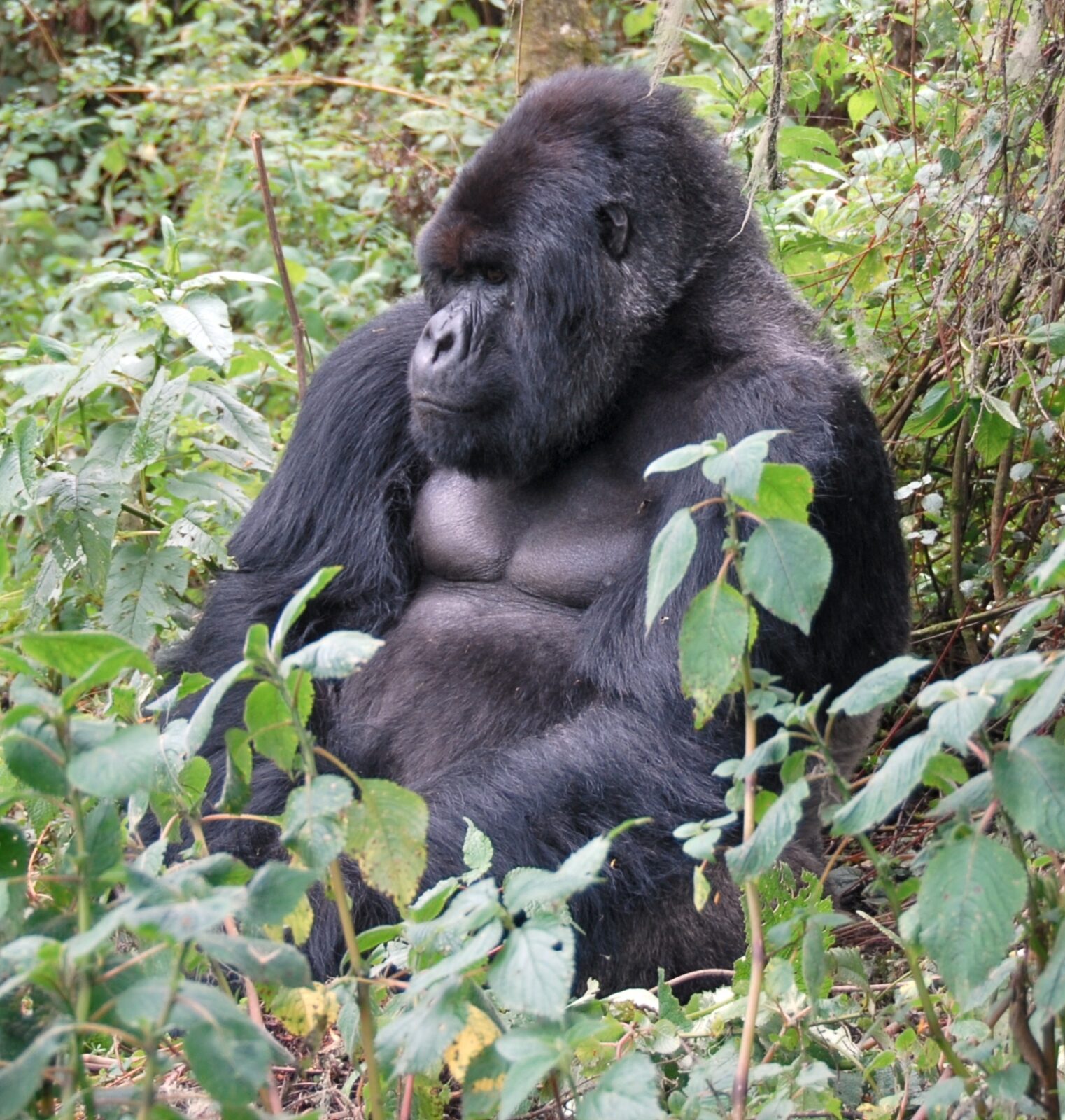
Trekkers planning around a specific month often assume gorilla permits work like flights or hotel rooms, where prices swing with demand. They don’t. Whether you’re eyeing December’s dry spell, April’s downpours, or the quieter shoulder weeks in between, the permit fee itself never moves. What actually changes with the calendar is everything built around that fee, and understanding that distinction is the difference between a realistic budget and a frustrating search for a discount that was never going to appear.
This guide walks through why permit pricing stays flat regardless of season, exactly where the real savings live instead, and how each part of the year compares once you look past the permit line item.
The Permit Price Doesn’t Move, Full Stop
Uganda Wildlife Authority and Rwanda Development Board both charge a single, government-set fee that applies identically in January and in July. There’s no dry-season surcharge, no rainy-season markdown, no quiet mid-year sale. The number you see quoted for a Bwindi or Volcanoes National Park permit is the number you’ll pay no matter which week you book.
That surprises a lot of first-time planners, mostly because nearly everything else in travel does work on demand pricing. Airlines, hotels, even some park entrance fees elsewhere on the continent flex with the calendar. Gorilla permits are a deliberate exception.
Why Conservation Pricing Doesn’t Follow Tourism Demand
The reason comes down to what the fee actually funds. Ranger salaries, anti-poaching patrols, habituation programmes, and community revenue-sharing don’t get cheaper in April just because fewer tourists show up. These are fixed, year-round conservation costs, and the permit price is set to cover them consistently rather than to chase whatever demand looks like in a given month.
There’s also a supply-side reason discounts don’t make sense here. A hotel room that goes unsold tonight is gone forever, which is exactly why hotels discount to fill empty beds. A gorilla permit isn’t like that. Each park issues a strictly capped number of permits per day regardless of season, and during the busiest months, demand for those capped slots is highest, not lowest. That’s the opposite of the conditions that normally produce a discount.
Dry Season: Peak Demand, Same Price, Tighter Availability
June through September and the shorter December-to-February window are when most trekkers want to go, drawn by firmer trails and lower rainfall odds. Because the permit supply is fixed, this popularity doesn’t translate into better pricing — if anything, dry season is when permits are hardest to secure, with popular sectors selling out weeks or months ahead. Anyone treating “high season” as a byword for “expect to pay more” gets it half right: you won’t pay more for the permit, but you will need to book earlier and may still pay more elsewhere in the trip, covered below.
Rainy Season: The Trade-Off That Actually Saves Money
Uganda and Rwanda’s rainy stretches, roughly March through May and September through November, bring real weather trade-offs — muddier trails, a higher chance of rain interrupting your trek, sometimes slower going through the forest. What they also bring is meaningfully lower demand, which loosens up availability and drops accommodation rates at lodges that would otherwise be full. The permit costs exactly the same as it would in July. For flexible, budget-conscious trekkers willing to pack a good rain jacket, this is where the calendar actually works in your favour.
Shoulder and Low Season: The Middle Ground
The weeks bridging dry and rainy periods, along with the quieter low-season stretches that don’t fall cleanly into either camp, tend to split the difference: better trail conditions than peak rainy season, better lodge availability and pricing than peak dry season, and — as with every other point on the calendar — an identical permit fee. If your travel dates are flexible, these windows are often the most efficient way to balance cost, crowding, and comfort without gambling on the heaviest rains.
Where the Real Savings Actually Come From
Since the permit line is fixed, your entire opportunity to save money on a gorilla safari lives in three other places: accommodation, transport, and how your operator packages the trip. Lodges that charge premium dry-season rates often cut prices substantially during quieter months. Private vehicle hire and domestic flights can also carry less of a peak-season premium when demand across the region eases up. None of this touches the permit fee — it’s a parallel budget line that moves independently, and it’s where a genuinely well-planned trip finds its savings.
Watch for Marketing That Blurs the Line
Because so many travellers hope a seasonal permit discount exists, some listings lean on vague language that implies one without saying so directly. What’s usually being discounted is accommodation or a bundled package element — never the government permit fee, which every operator pays at the identical fixed rate and simply passes through. If a quote advertises a “seasonal discount,” ask specifically what it applies to before assuming it touches the permit price.
Group and Resident Pricing: A Separate System Entirely
It’s worth distinguishing seasonal pricing, which doesn’t exist, from resident and East African Community pricing tiers, which genuinely do. Foreign residents and EAC citizens pay reduced rates under both countries’ standard tiered structure, and this applies identically regardless of when you travel. It’s a real discount system — just one built around who you are, not when you go.
How Permit Prices Have Moved Over Time
Zooming out from any single season, both Uganda’s and Rwanda’s permit fees have trended upward over the years rather than down, driven by rising conservation costs and, in Rwanda’s case, a deliberate premium positioning strategy. That trajectory is useful context: waiting for a future discount, seasonal or otherwise, has historically been the wrong bet. Prices have moved in one direction.
Building a Realistic Season-by-Season Budget
The clearest way to plan is to treat the permit fee as a fixed reference point and everything else as the variable. A dry-season trip and a rainy-season trip covering the same itinerary can differ by several hundred dollars once accommodation and transport are factored in, even though both include the exact same permit cost. Model these two components separately rather than expecting a single blended “season price” the way a hotel booking engine might present one.
What This Means for Booking Early
Because dry season sells out on availability rather than price, booking early during those months isn’t about locking in a better rate — the rate never changes — it’s purely about securing a slot before your preferred dates disappear. During rainy or shoulder season, early booking still helps, but mainly to lock in the better accommodation rates before they firm up.
Does the Calculation Differ Between Uganda and Rwanda?
Uganda’s permit sits well below Rwanda’s, and that gap changes how much seasonal timing actually matters to your bottom line. In Uganda, where budget and mid-range lodges are common even near Bwindi, choosing rainy season over dry season can shave a meaningful percentage off your total trip cost, since accommodation makes up a larger share of a comparatively modest overall budget. In Rwanda, where Volcanoes National Park’s surrounding lodge market skews heavily toward luxury regardless of season, the accommodation swing between peak and quiet months is often smaller in percentage terms, even if the absolute dollar savings are still real. Congo’s Virunga National Park sits somewhere between the two, with a smaller, less seasonally-reactive lodge market overall. None of this changes the core rule — the permit fee is fixed in all three countries — but it does mean the payoff from timing your trip around season is more pronounced in Uganda than in Rwanda.
Frequently Asked Questions
Does any season come with a genuine gorilla permit discount?
No. Uganda and Rwanda both apply one fixed government fee year-round, with no built-in seasonal pricing structure for the permit itself.
Why is dry season the most expensive time to trek, then, if the permit doesn’t change?
The permit fee stays flat, but accommodation and transport typically cost more during dry season simply because demand across the region peaks at the same time. Your total trip cost rises even though the permit line item doesn’t.
Is rainy season trekking worth the weather trade-off?
Many trekkers find it worthwhile given the lower accommodation costs and thinner crowds, provided they come prepared with proper rain gear and realistic expectations about muddier, sometimes slower trails.
Can an operator offer me a discounted permit if I book directly with them?
No. Every operator buys permits at the same fixed government rate and passes that cost through unchanged. Any discount they offer applies to their service fees or bundled accommodation, never the permit itself.
Do resident or East African Community discounts change depending on season?
No. Resident and EAC pricing tiers apply on top of the standard structure regardless of when you travel — it’s a separate discount system based on nationality or residency, not timing.
Is there any real advantage to booking a dry-season permit far in advance?
Yes, but not on price. Booking early during dry season is about guaranteeing availability before popular dates sell out, since demand is highest exactly when trail conditions are best.
Which season gives the best overall value, not just the cheapest permit?
Since the permit costs the same everywhere on the calendar, shoulder and rainy season tend to offer the best overall value once lower accommodation and transport costs are factored in, provided you’re comfortable with less predictable weather.
Plan the Rest of Your Trip
For the complete national cost picture, this full cost breakdown covers permits alongside accommodation and transport, and this Uganda permit cost guide goes deeper on the national fee structure. If availability during peak months is your main concern rather than price, this guide on avoiding sold-out permits is worth reading before you lock in your dates.