
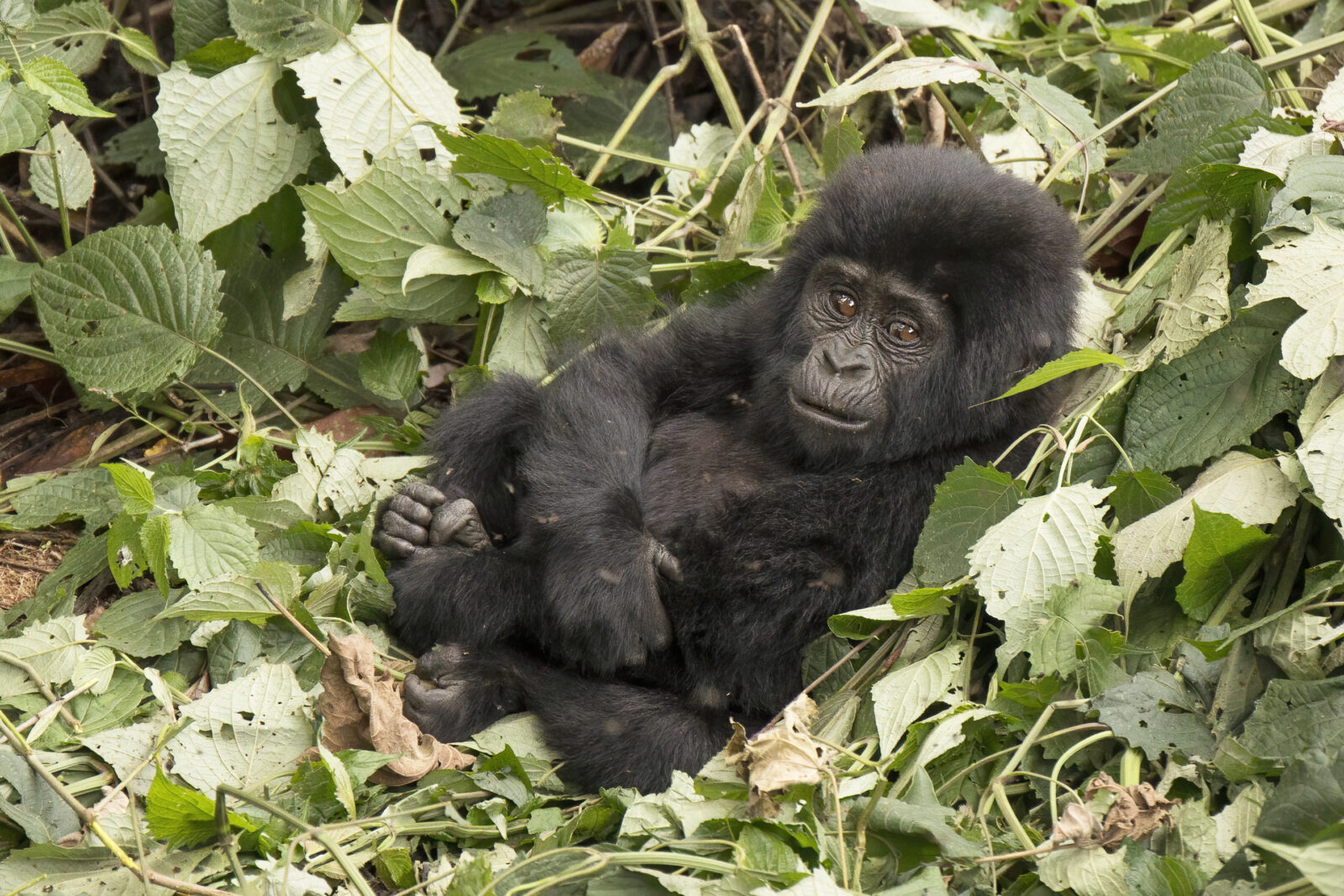
Uganda’s gorilla permit price is one of the first numbers serious trip planning depends on, and it’s worth understanding clearly before you get further into comparing operators or lodges. How much does a gorilla permit cost in Uganda has a specific, current answer, along with a broader context worth knowing about why that figure sits where it does compared to neighbouring countries.
This guide covers the standard fee, how it compares regionally, and the related costs that shape your total trip budget once the permit itself is settled.
The Standard Foreign Non-Resident Rate
Uganda Wildlife Authority sets a single national permit price for foreign non-resident visitors, applying uniformly across Bwindi Impenetrable National Park and Mgahinga Gorilla National Park, Uganda’s two gorilla trekking destinations. This is priced in US dollars and reviewed periodically, so it’s worth confirming the current exact figure with a licensed operator or UWA directly at the time of booking rather than relying on a number that may have shifted since it was published elsewhere.
It’s worth treating any single figure you find online as a starting point for verification rather than a locked-in fact, since prices genuinely do move over time and outdated content circulates for years after the actual number has changed. A licensed operator quoting current, specific pricing is a more reliable source than a static article, this one included.
Resident and East African Citizen Rates
Foreign residents legally living and working in Uganda pay a reduced rate compared to non-resident international visitors, and citizens of East African Community member states pay a substantially lower rate again. This tiered pricing structure, common across East African conservation tourism, reflects a deliberate policy of making the experience more accessible to residents and regional citizens while non-resident international tourism carries a larger share of the conservation funding burden.
This tiered structure is worth understanding even if you’re booking as a non-resident, since it explains why you might occasionally see a much lower price mentioned by someone who trekked as a resident or EAC citizen, without that lower figure ever applying to your own booking as an international visitor.
Why Uganda Sits Below Rwanda on Price
Neither country’s pricing strategy is objectively correct — they reflect genuinely different bets about volume, exclusivity, and revenue, and Uganda’s choice has kept the experience accessible to a wider range of budgets without compromising the conservation funding behind it.
Uganda’s permit price has consistently remained below Rwanda’s Volcanoes National Park pricing, which followed a deliberate strategic decision to position itself as a premium, lower-volume destination. Uganda, by contrast, has maintained a comparatively accessible price point supporting a larger network of habituated families across multiple sectors, making it the more budget-friendly of the two most established gorilla trekking countries.
What the Fee Actually Funds
It’s worth pairing this understanding with a look at where Uganda’s gorilla population actually stands today, since the population growth achieved over recent decades is the clearest, most concrete evidence that permit revenue reinvested this way genuinely works.
Ranger salaries, anti-poaching patrol operations, veterinary monitoring of habituated families, and community revenue-sharing programmes for villages bordering the parks are all funded substantially through permit revenue. Uganda’s mountain gorilla population has grown over recent decades specifically because of consistent, adequately funded conservation work of exactly this kind, making the permit price a direct, traceable investment rather than simple park entry.
Uganda and Rwanda’s mountain gorilla populations are, in a meaningful sense, part of the same shared success story, since the Virunga Massif spans both countries and several habituated families range across the border area over time. A permit purchased in Uganda funds Uganda-specific ranger and community programmes directly, but the broader population recovery it contributes to benefits the whole transboundary ecosystem, not just the side of the border where you happen to trek.
What’s Included and What Isn’t
Working from a genuinely itemised quote, rather than a single bundled figure, is the clearest way to see exactly which of these elements a specific operator’s package covers and which you’ll need to budget separately, before you commit to a booking.
The permit covers your slot with a specific habituated family on a specific date, park entry for that day, and your ranger guide and tracking team. It does not cover transport, accommodation, meals, porter fees, or tips, all of which need separate budgeting. First-time trekkers sometimes assume a fee this size must be inclusive of the whole day; understanding clearly that it isn’t prevents an unwelcome gap between expectation and what a full quote actually needs to add.
Standard Permits Versus Habituation Permits
Habituation permits are limited in number and worth requesting well in advance if you’re specifically drawn to this deeper, more research-oriented style of encounter rather than the standard structured hour with a fully habituated family.
Uganda offers a limited number of gorilla habituation experience permits in addition to standard trekking permits, priced higher and offering up to four hours with a family still becoming accustomed to human presence rather than the standard one hour with a fully habituated group. This is a genuinely different product, not simply an upgraded version of the same experience, and it’s worth understanding as a separate cost and separate decision from your standard permit.
How Permit Cost Compares Across Uganda’s Sectors
Given the price is fixed regardless of sector, this frees you to choose based on genuinely relevant factors instead — terrain difficulty, distance from lodges, and which specific gorilla family or landscape most appeals to you, rather than shopping around for a cheaper sector that doesn’t actually exist.
Whether you trek in Buhoma, Ruhija, Rushaga, or Nkuringo within Bwindi, or in Mgahinga Gorilla National Park entirely, the national permit price applies uniformly — sector choice affects terrain difficulty, accommodation options, and travel logistics, but not the permit fee itself, which is set at the national park authority level rather than varying by individual trekking sector.
That said, sector choice still meaningfully shapes the value you get out of the fixed price. Buhoma tends to offer gentler terrain and the widest range of nearby lodges, Rushaga has the highest concentration of habituated families and the best odds of an available slot on short notice, and Ruhija sits at higher altitude with a genuinely quieter, less-visited feel. None of that changes what you pay, but it’s worth factoring in when deciding where to spend the permit you’ve already budgeted for.
Budgeting the Full Trip Around the Permit
Working out this full picture before you book, rather than discovering the true total cost piecemeal, makes for a considerably less stressful planning process and a budget you can actually trust.
The permit is typically the largest single line item in a Uganda gorilla trekking budget, but rarely the only significant one. Domestic transport to Bwindi or Mgahinga, one or more nights of accommodation, a porter for the trek, and tips for your trekking team all add up meaningfully. Treating the permit as roughly a third to half of your total single-day cost, rather than the whole figure, sets more realistic expectations for the trip overall.
Watching for Quotes That Understate the Real Cost
Because the permit fee is such a large share of total trip cost, it’s occasionally where a less transparent listing tries to make a package look cheaper than it really is — quoting a headline price that turns out to exclude the permit or bundle in a non-standard, discounted permit type without saying so plainly. Asking any prospective operator to itemise the permit fee separately from accommodation, transport, and other package elements is a simple way to confirm you’re comparing genuinely equivalent quotes.
Cross-referencing a quoted figure against Uganda Wildlife Authority’s own current published rate, or against two or three other licensed operators’ quotes for the same travel dates, takes only a few minutes and gives real confidence that your budget is built on an accurate number rather than an artificially attractive one.
Frequently Asked Questions
Does the permit price differ between Bwindi and Mgahinga?
No — Uganda applies the same national permit pricing across both gorilla trekking parks, so your choice between the two comes down to sector variety, accessibility, and itinerary fit rather than any difference in permit cost.
Is Uganda’s permit genuinely cheaper than Rwanda’s in practice?
Yes, consistently and substantially, reflecting the two countries’ different strategic positioning — Uganda toward broader accessibility, Rwanda toward a premium, lower-volume model.
Should I book my permit before or after arranging the rest of my trip?
Book the permit as early as possible once your travel dates are set, since it’s the more limited, date-specific resource compared to accommodation and transport, which are generally easier to arrange or adjust later.
Is it worth paying extra for a habituation permit instead of a standard one?
Worth considering if you specifically want a longer, more research-oriented encounter — up to four hours instead of one — with a family still becoming accustomed to human presence, though it comes at a meaningfully higher price than the standard permit.
Do I pay the permit fee directly to Uganda Wildlife Authority or through my operator?
Most travellers pay through a licensed tour operator as part of their overall booking, which is simpler and lets the operator handle the reservation on your behalf; paying UWA directly is possible but requires more coordination and isn’t necessary for the vast majority of trekkers.
Plan the Rest of Your Uganda Trip
For a full picture of total trip costs beyond the permit alone, this complete cost breakdown is worth reading, alongside this step-by-step Uganda permit booking guide. If you’re comparing Uganda against Rwanda specifically, this country comparison covers the full picture beyond price alone, and this 3-day itinerary from Entebbe shows a realistic, well-paced trip built around a single Uganda permit.