
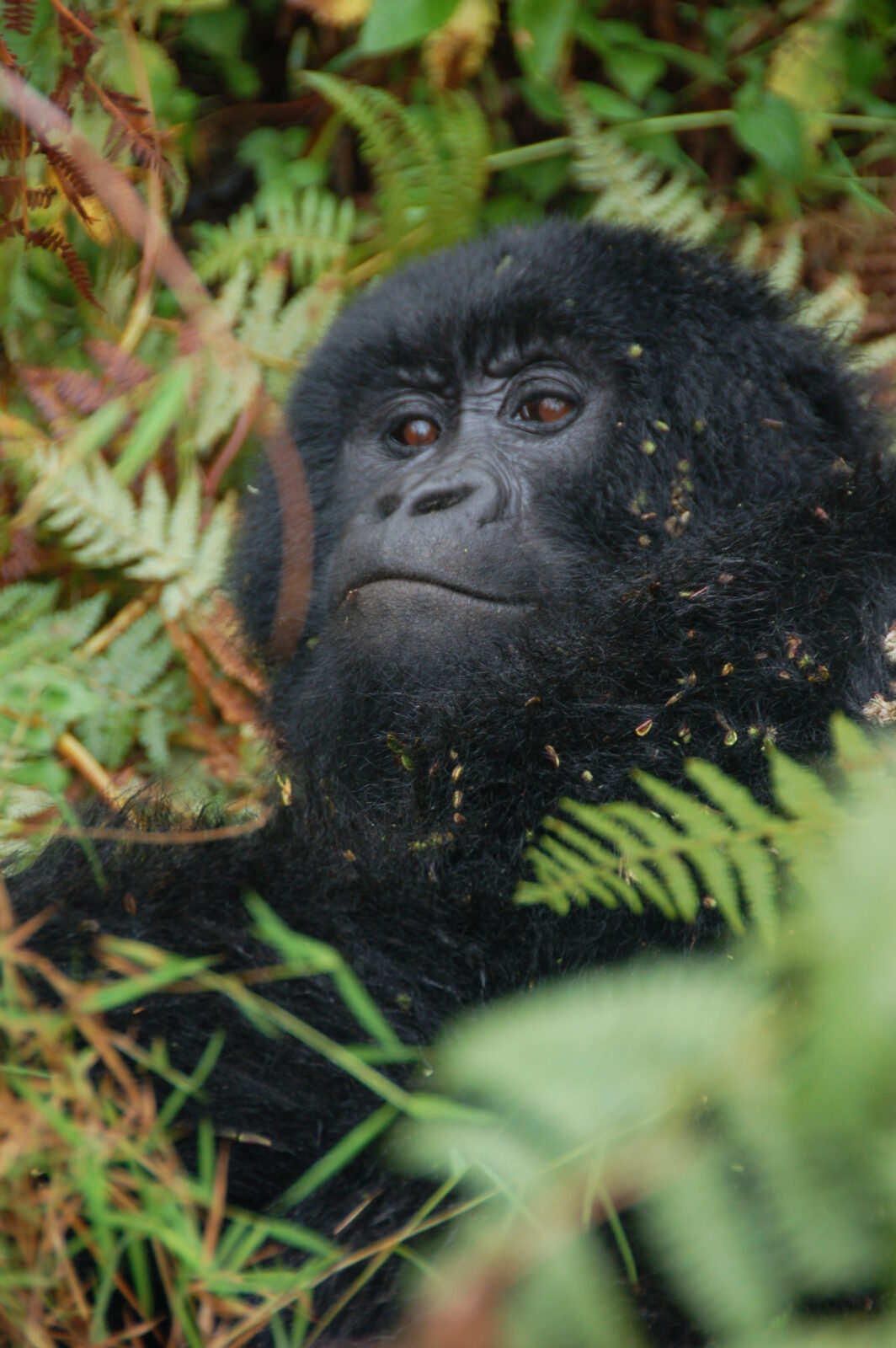
Kisoro shows up constantly in gorilla trekking research because it’s the small southwestern Ugandan town most trekkers actually sleep in before their trek, not because it’s a national park in its own right. So when someone asks how much a gorilla permit costs in Kisoro, the honest first answer is that Kisoro itself doesn’t set a permit price — the parks reachable from it do, and it’s worth understanding exactly how that works before you budget your trip around the wrong assumption.
This guide untangles what Kisoro actually offers price-wise, which parks and sectors it puts within easy reach, and what a realistic full budget looks like for a trekker basing themselves there.
Kisoro’s Role as a Gateway, Not a Separate Pricing Zone
Uganda Wildlife Authority sets permit prices at the national level, by park, not by nearby town. Kisoro sits close enough to both Mgahinga Gorilla National Park and the Nkuringo and Rushaga sectors of Bwindi Impenetrable National Park that it has become the default overnight base for a large share of southwestern trekkers, but staying in Kisoro doesn’t change, discount, or inflate the permit price for whichever park you ultimately trek in.
This distinction trips up a fair number of first-time researchers, who sometimes search for a “Kisoro permit price” expecting a town-specific figure the way they might expect a town-specific hotel rate. Understanding early that the permit price follows the park, not the town, saves a genuinely confusing detour in your planning.
The Standard Permit Fee Travelers Book From Kisoro
Whichever park you book through when based in Kisoro, the applicable fee is Uganda’s standard national permit price for foreign non-resident visitors, priced in US dollars and reviewed periodically by UWA. Given how often this figure shifts over a multi-year horizon, it’s worth confirming the current exact number with a licensed operator at the time of booking rather than trusting a static figure from any single article, this one included.
Foreign residents and East African Community citizens pay reduced tiers under the same national structure, regardless of which specific park or sector they access from a Kisoro base. The town itself never adds or removes a service fee on top of the underlying UWA permit price.
Which Parks and Sectors Kisoro Puts Within Reach
Kisoro’s real value to a trekker isn’t a price advantage — it’s geographic convenience. The town sits within a short, manageable drive of Mgahinga Gorilla National Park directly, and within a longer but still very workable drive of Bwindi’s Nkuringo and Rushaga sectors, making it one of the few bases in the region genuinely well positioned for either park depending on which specific gorilla family or trekking experience you’re after.
This flexibility is precisely why so many operators route clients through Kisoro rather than a base closer to just one single park — it keeps your options open right up until permit allocation, rather than locking you into one park’s logistics from the outset.
Mgahinga Permit Pricing From Kisoro
Mgahinga Gorilla National Park, Uganda’s smaller and less-visited gorilla trekking destination, charges the identical national standard permit price as Bwindi despite having fewer habituated families and generally lower visitor numbers on any given day. Trekkers basing themselves in Kisoro specifically to access Mgahinga pay exactly the same fee as they would trekking in Bwindi, with the trade-off being a genuinely different, often quieter and more volcanic-terrain experience rather than a cheaper one.
Bwindi Permit Pricing From Kisoro (Nkuringo and Rushaga)
For trekkers using Kisoro as a base to reach Bwindi’s southern sectors instead, the same national Bwindi permit price applies as it would from any other base, including Buhoma in the north. Nkuringo and Rushaga are both perfectly reachable as day trips from a well-located Kisoro lodge, with Rushaga in particular offering the widest choice of habituated families in the whole southern cluster of sectors.
Choosing Kisoro as your base for a southern Bwindi trek is therefore a logistics and lodging decision, not a pricing one — the permit costs the same whether you book it from a Kisoro-based itinerary or one centred closer to the park gate itself.
Cross-Border Access: Rwanda and DRC From Kisoro
Kisoro’s location near the tripoint of Uganda, Rwanda, and the Democratic Republic of Congo also means it’s genuinely feasible, with the right planning, to use it as a jumping-off point for a Rwanda or Congo gorilla permit instead of a Ugandan one — though in that case, the substantially higher Rwandan price or the different Congolese pricing structure applies, not Uganda’s national rate, since the permit is tied entirely to the country and park where you actually trek.
Anyone considering this cross-border flexibility should budget carefully for the correct country’s permit price from the outset, rather than assuming Kisoro’s Ugandan location guarantees a Ugandan permit rate for a Rwandan or Congolese trek.
Why Kisoro Is Popular Despite Not Setting Its Own Price
Kisoro’s popularity as a base comes down to genuine logistical strength rather than any pricing angle: a real (if modest) selection of accommodation across several budget tiers, reasonable road access to multiple parks, and a functioning small-town infrastructure of fuel stations, basic shops, and transport connections that some more remote lodge-only bases near individual park gates simply don’t offer.
For trekkers who value flexibility, or who are combining a gorilla trek with other regional travel like a DRC or Rwanda extension, this practical convenience often outweighs the marginal advantage of staying literally at a single park’s gate.
What Else You’ll Actually Spend Staying in Kisoro
Accommodation in and around Kisoro spans a wide range, from simple guesthouses to more comfortable mid-range lodges, and prices vary considerably depending on which tier you choose. Add to that ground transport from Kisoro to whichever park entry point applies, a porter fee for the trek itself, and tips for your guide and tracking team, and the permit again represents a meaningful but partial share of your total single-day cost rather than the whole figure.
Budgeting Kisoro-based accommodation and transport separately from the permit fee, rather than assuming one number covers everything, produces a far more accurate total trip estimate.
Booking Your Permit When Based in Kisoro
In practice, most trekkers basing themselves in Kisoro book their permit the same way anyone else does — through a licensed tour operator who reserves a specific slot with a specific habituated family on a specific date, well ahead of the actual trek. Your Kisoro base doesn’t change this process; it’s simply where you’ll sleep the night before and after, and where your vehicle will pick you up on trek morning.
Operators experienced with Kisoro-based itineraries can generally advise, at booking time, which specific park and sector makes the most operational sense given your dates and preferences, since availability varies day to day across Mgahinga and Bwindi’s southern sectors alike.
Common Confusion: Kisoro Price vs Park Price
It’s worth stating plainly one more time, since this is the single most common misunderstanding trekkers researching Kisoro run into: there is no such thing as a distinct “Kisoro permit,” discounted or otherwise. Every permit booked from a Kisoro base is, legally and administratively, a Mgahinga permit, a Bwindi permit, or occasionally a Rwandan or Congolese permit — priced according to that specific park and country, with Kisoro functioning purely as your convenient overnight base rather than a pricing category of its own.
Frequently Asked Questions
Is a permit booked from Kisoro cheaper than one booked from elsewhere in Uganda?
No — permit price is set nationally by park, not by which town you stay in beforehand, so a Kisoro-based booking costs exactly the same as an identical permit booked through any other base.
Which park should I choose if I’m staying in Kisoro?
Both Mgahinga and Bwindi’s southern sectors are genuinely reachable from Kisoro; the right choice depends more on which specific trekking experience and family availability appeals to you than on any distance or cost difference between the two.
Can I use Kisoro as a base for a Rwanda gorilla trek instead of a Ugandan one?
Yes, given Kisoro’s proximity to the Rwandan border, though you’d then be paying Rwanda’s substantially higher national permit price rather than Uganda’s, since the fee follows the country and park where you actually trek.
Do I need to decide my park in advance, or can I choose once I’m in Kisoro?
Permits must be reserved for a specific park, date, and gorilla family well in advance through your operator — you can’t show up in Kisoro and decide on the spot, since availability across sectors fills up, sometimes months ahead during peak season.
Plan the Rest of Your Trip
For the complete national picture of what a Uganda trek costs beyond any single base town, this full cost breakdown is a useful next read, alongside this Kisoro town guide covering accommodation and logistics in more depth. If Mgahinga is your likely park, this step-by-step Uganda permit booking guide walks through the reservation process, and this Nkuringo lodges guide is worth reading if a southern Bwindi sector ends up being the better fit.