
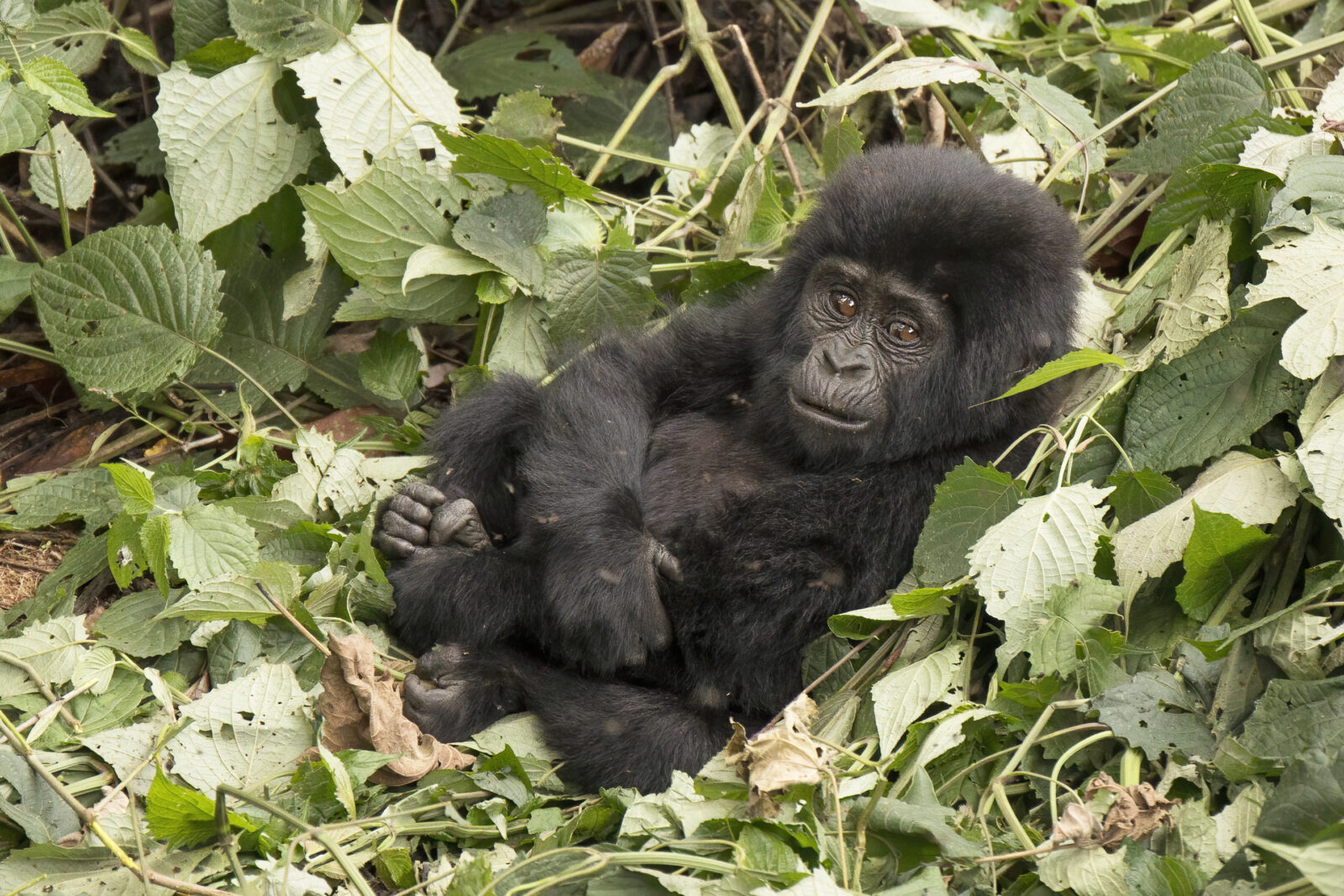
Trip length is one of the first practical decisions any gorilla trekking itinerary needs settled, and it shapes everything else from flights to budget. How many days do I need for a gorilla safari in Bwindi Impenetrable National Park deserves a specific, honest answer rather than a vague “a few days” that leaves you either overbooked or genuinely rushed on the ground.
This guide breaks down a realistic minimum, what a more comfortable itinerary looks like, and the factors that should push your trip longer or let you keep it shorter overall.
The Genuine Minimum: Three Days
A Bwindi gorilla trek can technically be done as a three-day trip: one day travelling in, one day for the trek itself, one day travelling out. This is tight but genuinely workable for trekkers with limited vacation time, provided your international flights connect efficiently through Entebbe and you’re comfortable with a fairly intense pace rather than a relaxed one.
Why Most Operators Recommend Four Days Minimum
Adding one buffer day, either before or after your trek, meaningfully reduces the risk that a flight delay or unexpected travel hiccup jeopardises your actual trek date, since permits are non-refundable and tied to a specific day. Most experienced operators recommend this four-day structure as the practical minimum rather than the bare three-day version, specifically to protect against exactly this kind of disruption.
What a Four-Day Bwindi Itinerary Looks Like
Day one covers international arrival into Entebbe and the road transfer toward Bwindi, which itself takes the better part of a day given the distance involved. Day two is a buffer or rest day, useful for adjusting after travel and getting settled near your chosen sector. Day three is trek day itself. Day four covers your return transfer and onward travel. This structure gives genuine breathing room without requiring an extended vacation.
Extending to a Week or More
Trekkers with more flexible schedules often extend their Bwindi visit to five to seven days, adding a second gorilla trek in a different sector, a visit to Queen Elizabeth National Park for game drives and boat safaris, or genuine downtime to properly absorb the experience rather than moving straight from one activity to the next. This longer structure is where Bwindi’s full range as a destination, not just a single-day trek, really comes into focus.
Factors That Should Push Your Trip Longer
Wanting to combine Bwindi with Queen Elizabeth National Park, planning a habituation experience alongside standard trekking, or hoping to explore Bwindi’s community and cultural offerings around Buhoma all genuinely warrant extra days beyond the bare minimum. Trying to compress too many of these elements into a short trip tends to produce a rushed, less satisfying version of each rather than a genuinely good experience of any.
Factors That Can Keep Your Trip Shorter
Trekkers with a single, clear priority — the gorilla trek itself, nothing more — and genuinely efficient flight connections through Entebbe can reasonably keep their Bwindi visit to the tighter three- or four-day structure without feeling like they’ve missed something essential, provided they’ve accepted the more intense pace this requires.
Solo Travellers Versus Groups: Different Timing Considerations
Solo trekkers often have more flexibility to adjust their itinerary on short notice than a coordinated group, but they also lack the built-in company a group provides on longer travel days — worth factoring into how much downtime versus activity you build into a solo Bwindi itinerary compared to a group trip.
How Sector Choice Affects Your Day Count
Bwindi’s more remote sectors, particularly Nkuringo and Rushaga, add meaningful travel time from Entebbe compared to the more centrally located Buhoma, which can push your realistic minimum trip length out by half a day or more depending on your specific sector. Factoring this into your itinerary planning, rather than assuming uniform travel time across all four sectors, avoids an unrealistic schedule.
How Trip Length Interacts With Your Overall Budget
Each additional day beyond the bare minimum adds genuine cost — accommodation, meals, transport, and guide fees all accumulate — so it’s worth weighing trip length against your overall budget deliberately rather than defaulting to the longest itinerary an operator suggests. A well-planned four-day trip can be just as satisfying as a rushed seven-day one if your priorities are genuinely focused on the trek itself.
What a Seven-Day Bwindi and Queen Elizabeth Combination Looks Like
A full week built around Bwindi typically opens with two days of travel and buffer, followed by the trek itself, then a transfer to Queen Elizabeth National Park for two to three days of game drives, boat safaris on the Kazinga Channel, and genuine downtime, before a final return transfer to Entebbe. This structure is one of Uganda’s most popular extended itineraries precisely because it pairs primate trekking with classic savanna safari within one reasonably paced week.
Budgeting Time for the Habituation Experience
Trekkers specifically interested in Bwindi’s gorilla habituation experience, offered in Rushaga, should budget an additional buffer day beyond a standard trekking itinerary, since the habituation permit itself runs up to four hours rather than the standard one, and a tired, rushed transition straight into onward travel the same day rarely makes for the best experience of either activity.
What Experienced Repeat Trekkers Do Differently
Trekkers on a second or third Bwindi visit often plan noticeably tighter itineraries than first-timers, having already learned their own pacing preferences and no longer needing the same amount of orientation time a first visit typically calls for. This is worth keeping in mind as a data point, but not as pressure to compress your own first trip beyond what feels genuinely comfortable.
Considering Your Own Jet Lag and Recovery Needs
International trekkers arriving from far time zones sometimes underestimate how much a genuine rest day before their trek improves the actual trekking experience itself — Bwindi’s terrain is physically demanding even for fit trekkers, and attempting it immediately after a long-haul flight with no recovery time is a real, avoidable risk to your own enjoyment of the day.
Building in Contingency for Weather and Travel Delays
Uganda’s road network, while generally serviceable, can occasionally be affected by weather, particularly during rainy season, adding unplanned time to transfers between Entebbe and Bwindi. A trip length with at least one buffer day absorbs this kind of disruption gracefully, while a bare-minimum three-day trip leaves essentially no margin for anything going even slightly off schedule.
Frequently Asked Questions
Can I really do a Bwindi gorilla trek in just three days?
Technically yes, though it’s genuinely tight and leaves no margin for travel disruption — most operators recommend at least four days as a safer practical minimum.
Is a week too long for a Bwindi-focused trip?
Not at all — a week gives genuine room to combine trekking with Queen Elizabeth National Park, a second trek, or simply a more relaxed pace, and many trekkers find this length genuinely worthwhile.
Does my chosen sector affect how many days I need?
Yes, somewhat — more remote sectors like Nkuringo and Rushaga add travel time from Entebbe compared to centrally located Buhoma, worth factoring into your itinerary length.
Should I add a buffer day even on a tight schedule?
Strongly worth doing if at all possible, since permits are non-refundable and tied to a specific date — a buffer day protects against travel delays jeopardising your actual trek.
Should I rest before trekking if I’m arriving from a long-haul flight?
Strongly recommended — Bwindi’s terrain is genuinely demanding even for fit trekkers, and attempting it immediately after a long international flight with no recovery time is an avoidable risk to your own experience.
How much extra time does the habituation experience need?
Budget at least one additional buffer day beyond a standard itinerary, since the four-hour habituation permit is more physically and mentally demanding than the standard one-hour trek.
Is solo travel to Bwindi harder to plan than a group trip?
Not necessarily harder, but genuinely different — solo trekkers have more flexibility to adjust plans on short notice, while groups benefit from built-in company on longer travel days.
Does a longer trip always mean a better experience?
Not necessarily — a well-planned four-day trip focused specifically on the trek itself can be just as satisfying as a longer itinerary, provided your actual priorities are genuinely centred on the gorilla encounter.
Do repeat visitors plan shorter trips than first-timers?
Often yes, having already learned their own pacing preferences, though this shouldn’t pressure first-time trekkers into compressing their own trip beyond what feels genuinely comfortable for them personally.
Take the time to weigh your own genuine priorities against the practical realities covered here before finalising your specific itinerary length.
Plan the Rest of Your Trip
For the full permit picture once you’ve settled on your travel dates, this Bwindi permit cost guide is worth reading, alongside this step-by-step Uganda permit booking guide. If you’re building a longer itinerary, this 3-day itinerary from Entebbe is a useful comparison point, and this full cost breakdown helps you budget the trip length you settle on.