
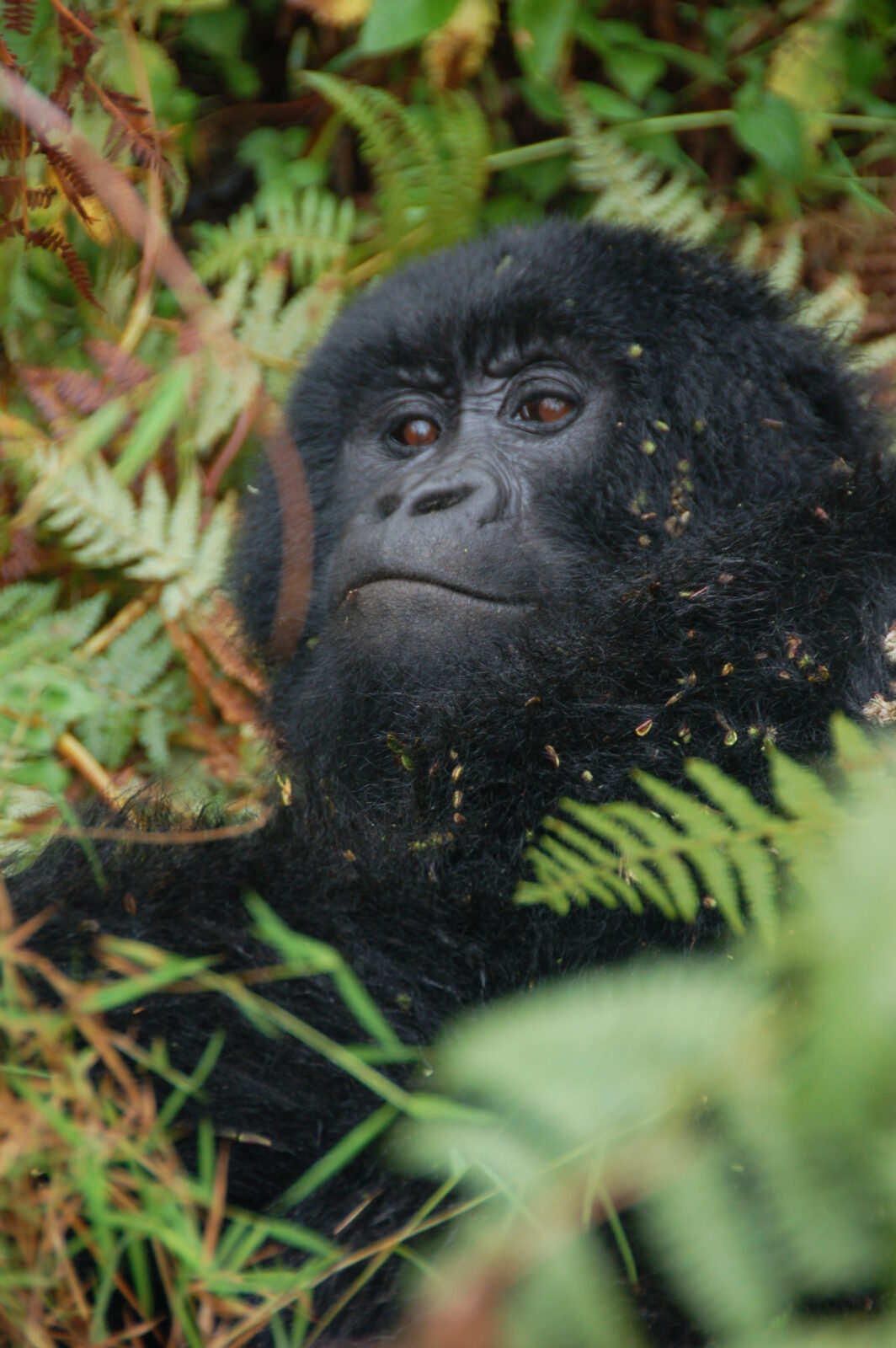
Mgahinga Gorilla National Park’s more remote southwestern location and its unique combination of gorilla trekking with golden monkey tracking both affect how many days a genuinely worthwhile visit actually requires. How many days do I need for a gorilla safari in Mgahinga Gorilla National Park deserves an honest answer that accounts for these specific factors rather than a generic Uganda-wide estimate.
This guide covers the realistic minimum, what a fuller Mgahinga itinerary looks like, and the specific factors unique to this park worth building into your planning.
The Genuine Minimum: Three to Four Full Days
Mgahinga’s distance from Entebbe, further than Bwindi’s more central sectors, generally pushes the practical minimum trip length to four days rather than the bare three-day structure some closer destinations can manage: one day travelling in, one buffer or rest day, one trek day, one day travelling out.
Why Mgahinga’s Distance Genuinely Matters More Than Bwindi’s
Sitting at the far southwestern edge of Uganda near the borders with Rwanda and Congo, Mgahinga genuinely requires more road travel time from Entebbe than Bwindi’s more centrally located sectors, which is worth building into your itinerary honestly rather than assuming Uganda-wide travel times are uniform across every gorilla trekking destination.
Adding Golden Monkey Tracking to Your Itinerary
Mgahinga’s unique offering of golden monkey tracking alongside gorilla trekking is genuinely worth an extra day if it interests you, since combining both activities in a single rushed day isn’t realistic given each requires its own full morning. Trekkers specifically drawn to this combination should plan for five days minimum rather than the bare four-day gorilla-only structure.
Weather-Related Timing Considerations
Mgahinga’s volcanic terrain can turn genuinely challenging during rainy season, and trekkers visiting during these wetter months should consider building in an extra buffer day specifically to accommodate potentially longer trek durations, rather than assuming dry-season timing estimates apply uniformly regardless of when you visit.
What a Five-Day Mgahinga Itinerary Looks Like
Day one covers arrival and transfer toward the Kisoro area. Day two is a buffer or rest day. Day three is your gorilla trek. Day four adds golden monkey tracking. Day five covers your return transfer. This structure comfortably accommodates both of Mgahinga’s signature activities without rushing either.
Combining Mgahinga’s Trek With a Bwindi Visit
Given their relative proximity via Kisoro, trekkers with more time available sometimes combine a Mgahinga visit with a Bwindi trek in one broader itinerary, experiencing both of Uganda’s gorilla trekking parks within a single trip. This combination genuinely warrants six to seven days minimum to avoid feeling rushed across both destinations.
Solo Travellers Versus Groups at Mgahinga
Solo trekkers visiting Mgahinga specifically benefit from the park’s genuinely small, intimate scale — easier to navigate independently than a larger, more sprawling destination — while groups get the advantage of shared costs on private transport for the more remote southwestern location.
Factors That Should Push Your Trip Longer
Interest in golden monkey tracking, a Bwindi combination, or wanting genuine downtime in Kisoro to explore the town and surrounding area beyond the parks themselves all warrant extending your Mgahinga trip beyond the bare minimum structure.
Factors That Can Keep Your Trip Shorter
Trekkers whose sole priority is the gorilla trek itself, with no interest in golden monkeys or a Bwindi extension, and who have efficient flight connections through Entebbe can reasonably manage the tighter four-day structure, provided they accept the more intense pace this requires given Mgahinga’s distance from the capital.
Packing and Preparation Time Worth Building In
Beyond the trek itself, worth allocating a genuine evening before departure specifically to organise gear, confirm your permit documentation, and mentally prepare for an early morning start — rushing this preparation on the same day as travel adds unnecessary stress to what should be a carefully planned experience.
Considering Recovery Time Before Your Trek
International trekkers arriving from long-haul flights genuinely benefit from a rest day before attempting Mgahinga’s volcanic terrain, which can be steeper in places than parts of Bwindi. Attempting the trek immediately after arrival, without any recovery time, is worth avoiding if your itinerary allows even one extra day to build this in.
How Trip Length Interacts With Your Overall Budget
Each additional day beyond the bare minimum adds genuine cost, particularly given Mgahinga’s more remote location and correspondingly higher transport costs from Entebbe — worth weighing deliberately against your budget rather than defaulting to the longest itinerary suggested, especially if your priorities are genuinely focused on the trek itself rather than the fuller regional experience.
What a Six-Day Mgahinga, Golden Monkey, and Kisoro Itinerary Looks Like
A fuller Mgahinga visit might open with two days of travel and rest, followed by the gorilla trek, then golden monkey tracking the next day, with a final day or two exploring Kisoro town and its surrounding cultural offerings before departure. This pacing gives genuine room to enjoy each activity rather than compressing everything into back-to-back demanding days.
What Experienced Repeat Trekkers Do Differently at Mgahinga
Trekkers returning to Mgahinga for a second visit, sometimes specifically to add golden monkey tracking they skipped the first time, often plan noticeably tighter itineraries than first-timers, having already learned the region’s logistics firsthand. First-time visitors shouldn’t feel pressure to match this pace on an initial visit.
Weighing a Direct Mgahinga Trip Against a Broader Southwestern Uganda Circuit
Trekkers with more time sometimes build Mgahinga into a broader southwestern Uganda circuit including Lake Bunyonyi, a genuinely relaxing contrast to the physical demands of trekking, worth considering if your itinerary has room for a day or two of pure rest and scenery between more active days.
Mgahinga’s Small Daily Capacity and Its Effect on Timing
Because Mgahinga has just one habituated gorilla family with a genuinely small daily permit ceiling, booking your specific trek date well in advance matters more here than at larger-capacity destinations, which in turn affects how flexible your overall trip dates can realistically be once your permit date is locked in.
Frequently Asked Questions
Is four days enough for a Mgahinga-only gorilla trek?
Yes, generally — four days covers travel in, a buffer day, the trek itself, and travel out, though Mgahinga’s distance from Entebbe makes this tighter than an equivalent Bwindi itinerary.
Should I add a day for golden monkey tracking?
Worth doing if it genuinely interests you — combining gorilla trekking and golden monkey tracking in one rushed day isn’t realistic, so budget an extra day specifically for this activity.
How many days should I plan if I’m combining Mgahinga with Bwindi?
Six to seven days minimum, given the travel time and activity depth involved in doing both parks justice within one trip.
Does Mgahinga’s small daily permit capacity affect my trip length planning?
Indirectly, yes — booking your specific trek date well ahead matters more here, which in turn affects how much overall flexibility you genuinely have once your itinerary gets built around that confirmed date.
Should I rest before attempting Mgahinga’s terrain?
Strongly recommended — the park’s volcanic slopes can be genuinely steep, and attempting the trek immediately after a long international flight without recovery time is worth avoiding if possible.
Is Lake Bunyonyi a good addition to a Mgahinga itinerary?
Yes, genuinely — it offers a relaxing contrast to the physical demands of trekking, worth considering if your itinerary has room for a day or two of rest and scenery.
Is Mgahinga easier to plan for solo travellers than groups?
In some ways yes, given the park’s compact scale, though groups benefit from shared private transport costs given Mgahinga’s genuinely more remote location within Uganda.
Does a longer Mgahinga trip always justify the extra cost?
Not necessarily — a focused four-day gorilla-only trip can be genuinely satisfying if that’s your actual priority, without needing to add golden monkeys or a broader circuit just because more time is available.
Do repeat visitors plan tighter Mgahinga itineraries?
Often yes, having already learned the region’s logistics firsthand, though first-time visitors shouldn’t feel pressure to match this pace on their initial trip.
Should I set aside a specific evening to organise gear before my trek?
Worth doing, yes — rushing this preparation on the same day as travel adds unnecessary stress to what should be a carefully planned early morning departure ahead of the trek.
Should I add extra time if I’m visiting Mgahinga during rainy season?
Worth considering — rainy season can genuinely extend trek duration on Mgahinga’s volcanic terrain, so an extra buffer day is a sensible precaution during wetter months rather than a nice-to-have.
Take the time to weigh your own genuine priorities against Mgahinga’s specific logistics and remote location before finalising your itinerary length for the trip.
Plan the Rest of Your Trip
For the full permit picture once you’ve settled on your travel dates, this Mgahinga permit cost guide is worth reading, alongside this Mgahinga capacity guide. If you’re building a longer itinerary, this Kisoro town guide is a useful next read, and this full cost breakdown helps you budget whichever trip length you settle on.